Fireplace Damper Stuck? Here's What's Really Wrong
 EmilyAugust 10, 20265 mins
On this page
The first cold snap hits Dallas, you go to open the damper, and the handle won't budge. Or it moves, but nothing happens up in the throat of the fireplace. I get this call constantly in late October and again around the first real freeze in January. Nine times out of ten, the damper isn't broken in some mysterious way. It's one of about five specific problems, and once you know what you're looking at, the fix gets a lot less intimidating.
Here's what I find when I put a light up there and take a look.
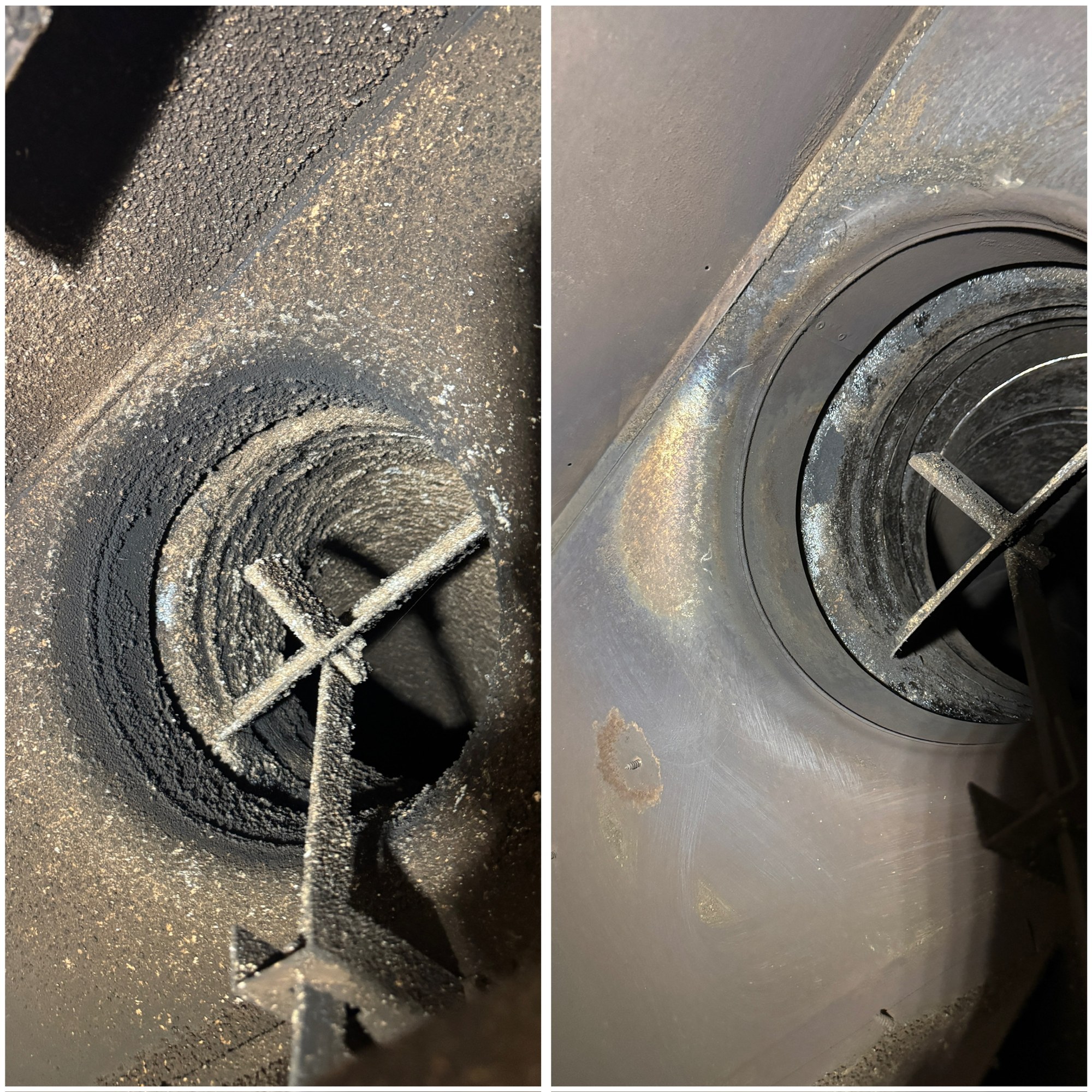
Rust Has Welded It Shut
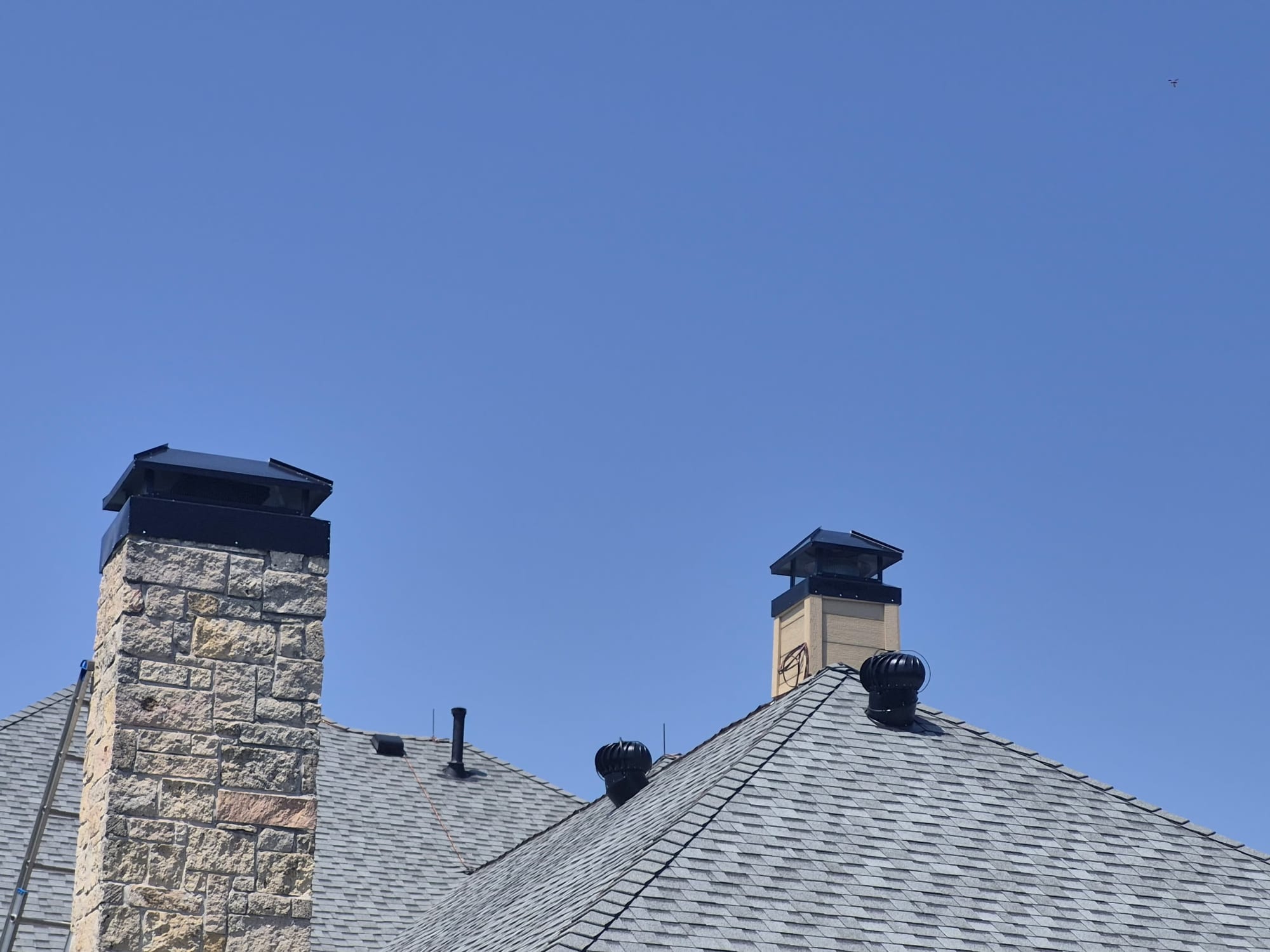
This is the big one. A throat damper sits directly above the firebox, which means it takes the brunt of every bit of moisture that comes down the flue. Dallas rain doesn't come gently. It comes sideways in April and again in the fall, and if your chimney cap is missing, cracked, or too small for the flue, water lands right on that cast iron plate and the frame it seats into.
Cast iron rusts. The plate rusts to the frame. The pivot rod rusts in its bracket. By the time you're pulling on the handle, you're fighting corrosion that's been building for years. Sometimes I can free it with penetrating oil, a wire brush, and patience. Sometimes the metal has scaled so badly that the seat is gone and the damper will never close tight again, which means you're paying to heat the outdoors all summer.
If your damper is rusted, the cause is almost always water, and we walked through how water gets into a chimney and what actually stops it in more detail. Fixing the damper without fixing the water is just buying yourself another few years of the same problem.
Creosote and Soot Have Glued the Plate Down
On a wood-burning fireplace that hasn't been swept in a while, creosote builds up in layers right where the smoke squeezes past the damper plate. In its sticky stage it acts like tar. In its hardened, glazed stage it's basically a crust bonding the plate to the frame.
I've opened dampers in older homes off Swiss Avenue where the buildup was thick enough that the plate had stopped being a moving part at all. The fix there isn't a repair. It's a proper sweeping, and the damper frees up on its own once the buildup is off. That's part of why a sweep is more than a cosmetic service, something we get into when explaining what a professional chimney sweep actually does on a visit.
The Handle or Rotary Screw Has Failed
Not every stuck damper is stuck up top. Sometimes the mechanism you're touching is the failure point.
Poker and rotary handles
A lot of Dallas fireplaces use a rotary damper, where you turn a small handle inside the firebox and a threaded rod raises and lowers the plate. Those threads strip. The rod bends. The little cotter pin that holds it all together drops into the ash pit. When that happens the handle spins freely, feels loose, and does nothing.
Chain and lever types
Older poker-style dampers can bend at the notch that holds the plate open, so it won't lock into position and drops shut mid-fire. That one is dangerous, because it means smoke coming back into your living room while you're sitting in it.
Handle repairs are usually the least expensive category. Replacing a rotary rod assembly is often in the low hundreds. A full throat damper replacement, where we have to cut into masonry to remove and reset a rusted frame, runs considerably higher because it's masonry work, not just parts.
Something Is Physically In the Way
Birds nest in Dallas chimneys, especially in neighborhoods with mature trees like Lakewood and Kessler Park. So do squirrels. I have pulled twigs, leaves, insulation, dead animals, and one memorable tennis ball out of damper throats. Debris packs in above the plate and the plate simply can't lift.
A brick or chunk of flue tile is the more concerning version of this. If a spalled piece of masonry has fallen and wedged itself at the damper, you've got a liner problem, and the damper is just the symptom telling you about it.
Why You Shouldn't Force It
I understand the temptation. You've got company coming, it's cold, and a good hard yank feels reasonable. Please don't. Forcing a rusted damper snaps the pivot rod, cracks the frame, or breaks the plate off entirely into the firebox. A stuck damper is a repair. A broken frame set into 60-year-old masonry is a much bigger job, and one where fireplace repair work starts involving brick and mortar instead of just hardware.
Never burn with a damper you can't confirm is fully open, either. A partially open damper spills carbon monoxide into the house. If you can't get a clear look at that plate from the firebox with a flashlight, assume it's closed.
What a Real Diagnosis Looks Like
When we come out, we're not just looking at the damper. We check the plate and frame for scale and warping, test the handle mechanism, look above for nesting and debris, check the flue tiles for cracks that explain falling masonry, and look at the cap and crown to find where the water came from. A proper fireplace inspection answers the whole question, not just the part you can reach.
Plenty of homeowners end up better served by a top-sealing damper at the crown instead. It seals with a rubber gasket, keeps rain out of the flue entirely, and stops the cycle that killed the original one.
If your damper won't move and you'd rather not find out the hard way what's holding it, get in touch with us and we'll take a look before you light anything.