Could My Fireplace Be Leaking Carbon Monoxide?
 ArinAugust 27, 20265 mins
On this page
Carbon monoxide is the one hazard in your house that gives you almost nothing to work with. No smell. No colour. No sting in the eyes. It is a byproduct of anything that burns, and your fireplace is designed to send it up the flue and out over the roof. When that path stops working the way it should, the gas comes back into the room instead, and the only clues you get are subtle enough that most people write them off as something else.
I write this in late August because right now is the honest time to deal with it. Nobody is burning anything in Dallas in August. The fireplace has sat idle since February, and whatever went wrong in the flue over the spring and summer has had months to settle in undisturbed. When the first genuine cold front comes through and you light a fire without thinking twice, you find out then. Better to find out now.
How a fireplace ends up spilling gas into the room
A chimney works on draft, which is nothing more than hot air rising and pulling fresh air behind it. Anything that interrupts that pull can push combustion gases back into your living room. The blockages I find most often in Dallas homes are not exotic.
Something has moved into the flue
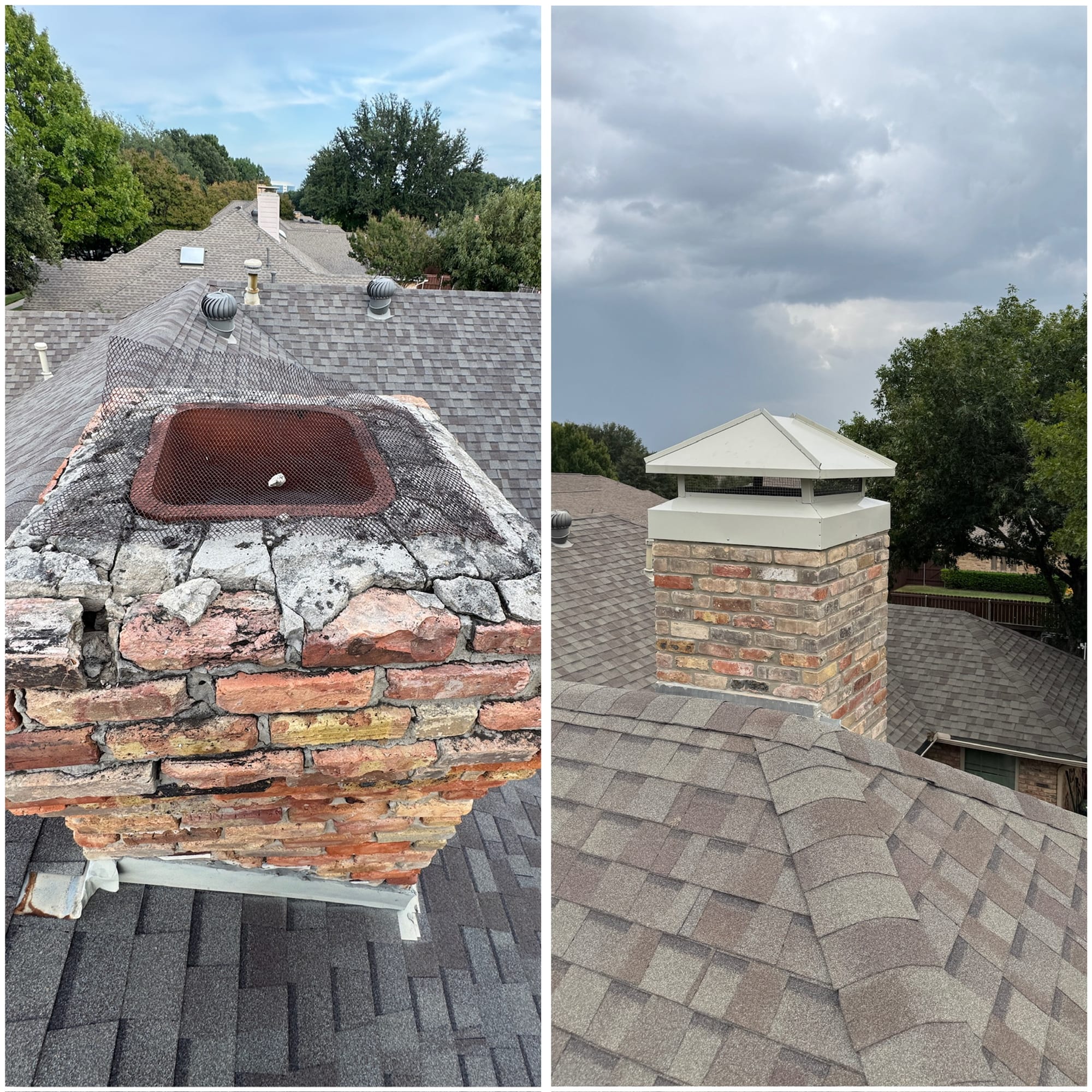
Between March and July, a chimney with a missing or damaged cap is an open invitation. Birds build nests, squirrels haul in leaves and branches, and by August you can have a plug of material sitting in the smoke chamber that you cannot see from the firebox. We went into detail on why an uncapped flue attracts birds and squirrels, and this is the part that matters: an obstruction does not have to be complete to be dangerous. A partial blockage still slows the draft enough to spill.
Creosote has narrowed the passage
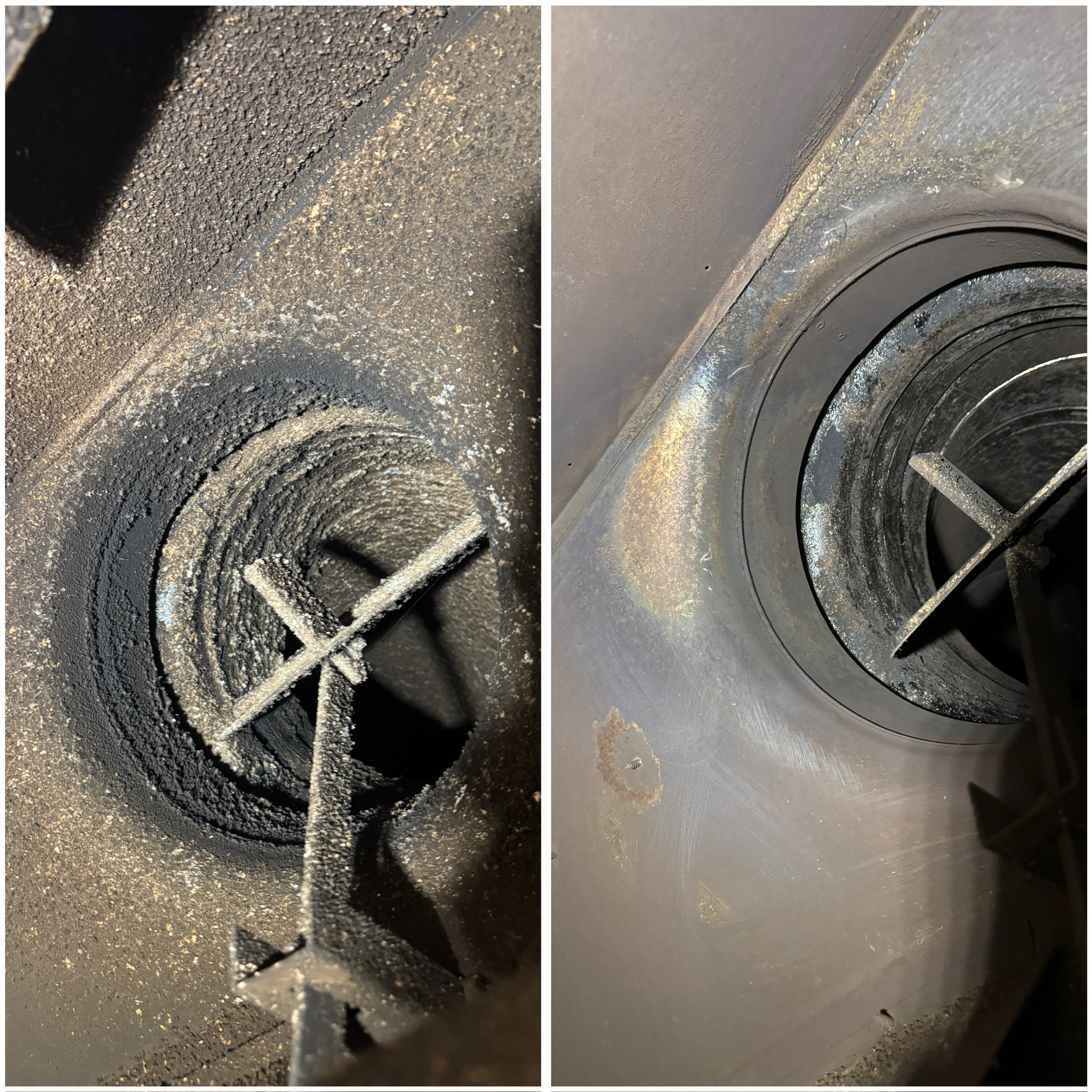
Wood burning leaves a tarry deposit on the flue walls. Layer it up over several seasons and the usable diameter of the flue shrinks. Creosote is famous as a fire risk, and it is one, but the slow version of the problem is reduced draft and gases that do not clear the way they used to.
The liner has cracked
Older Dallas homes, and I mean the ones in Lakewood and along Swiss Avenue with original masonry, often have clay tile liners that have split from decades of heating and cooling. A cracked liner lets combustion gases pass sideways into wall cavities and adjoining rooms instead of up and out. This is the failure mode that scares me most, because there is nothing to see from inside the house at all.
The house itself is fighting the chimney
Modern weatherproofing works. Seal a house up tight, then run a kitchen exhaust hood, a bathroom fan and the dryer at the same time, and the house goes negative. The path of least resistance for makeup air becomes your chimney, and it will pull gases down the flue rather than send them up.
The warning signs people miss
Headaches that show up when the fire is on and fade when you leave the house. Dizziness, nausea, a heavy tired feeling that the whole family seems to catch at once. Low level exposure looks exactly like a mild flu, and in the winter people assume it is a mild flu.
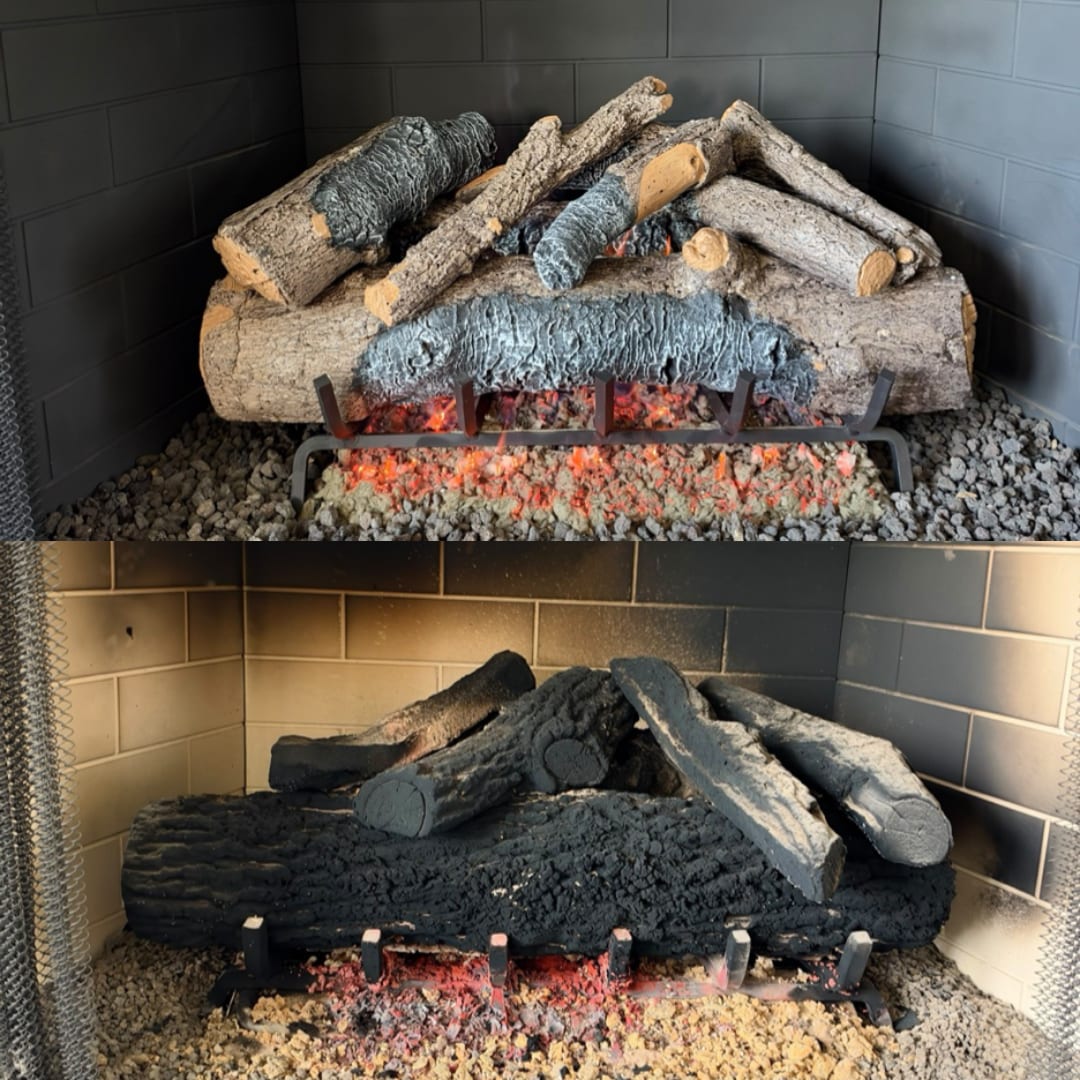
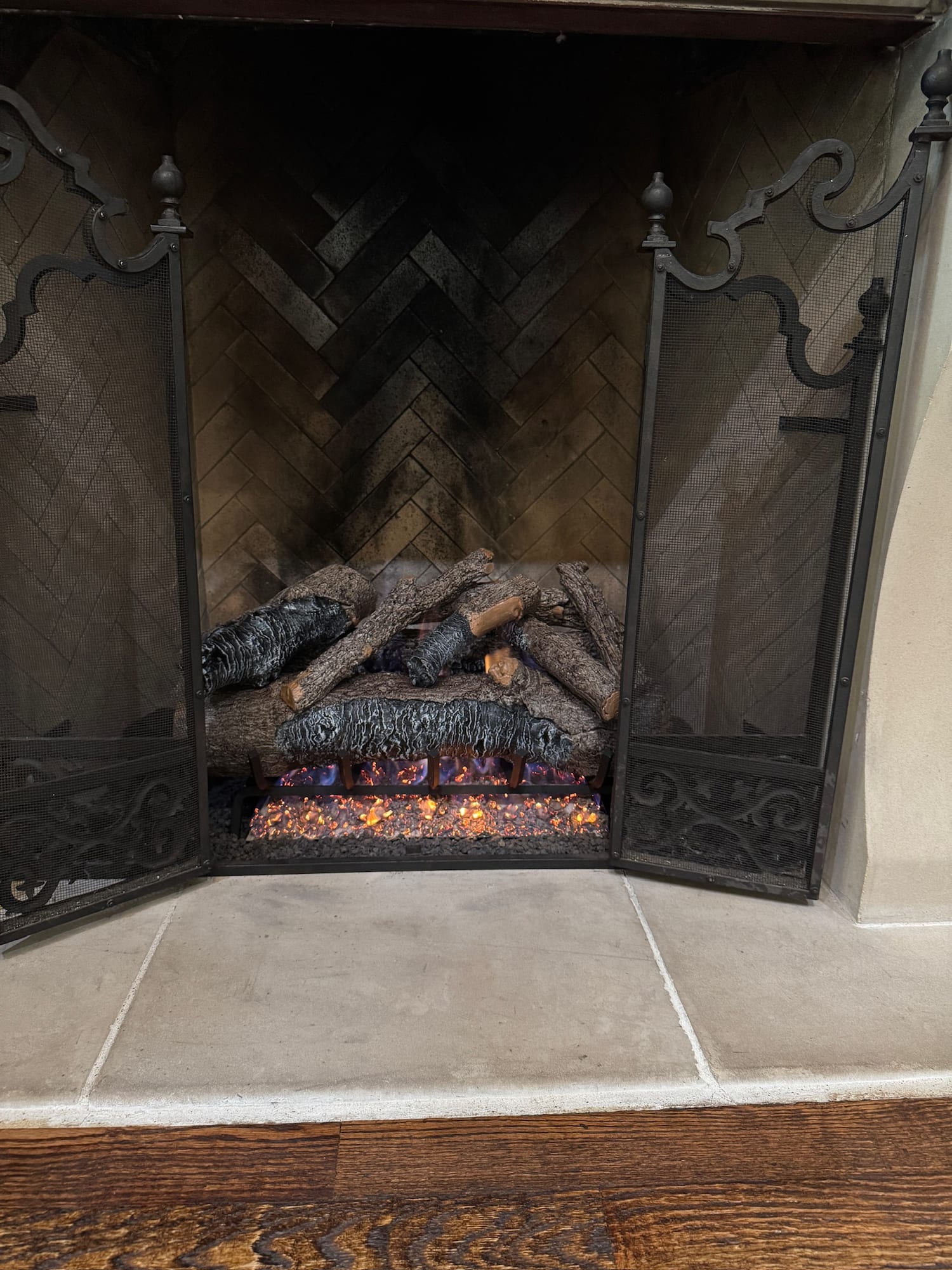
On the fireplace side, watch for smoke rolling out at the top of the opening instead of drawing straight up. Look for soot streaks on the brick face above the firebox or on the wall over the mantel. A gas fireplace should burn with a mostly blue flame at the base of the logs. A lazy yellow flame, sooty tips on the logs, or black staining on the glass front means the burn is incomplete, and incomplete combustion is exactly how carbon monoxide is made in quantity.
Condensation on nearby windows when the fire is running is another one. So is a sour, musty smell from the firebox in humid weather, which usually points to a moisture or draft problem rather than gas directly, but the two travel together. We covered the reasons a fireplace smells bad in summer and most of them are the same defects that block a flue.
Detectors help, but they are not the whole answer
Put a carbon monoxide alarm on every floor and within about fifteen feet of sleeping areas. Test them monthly and replace the unit itself every five to seven years, because the sensor wears out even if the light is still green. Understand what they are, though. A standard alarm is a last line of defence, set to sound at levels well above what will give you a headache over an evening. It tells you the house is already in trouble. It does not tell you the liner cracked.
Get the flue looked at before the season starts
The only reliable way to know your fireplace is venting correctly is to have someone open it up and look, including a camera run up the flue. A proper chimney inspection in Dallas covers the liner, the smoke chamber, the cap and the crown. A fireplace inspection takes in the firebox, the damper, the gas connections and the burn quality itself. Late summer is when the calendar is open. By the time the first norther drops down 75 and everyone lights a fire the same weekend, it is booked out.
If any of the signs above sound familiar, or you simply have not had eyes on that flue in a few years, you can book a chimney safety inspection in Dallas and go into the cold months knowing what is above your firebox.
Common questions
Early symptoms look like a mild flu without the fever. Headache, dizziness, nausea, shortness of breath, confusion and unusual fatigue are the common ones. The telling detail is timing and pattern. If symptoms appear when the fireplace or furnace is running and ease after you leave the house for a few hours, or if several people and pets in the home feel unwell at once, treat it as a possible carbon monoxide problem and get everyone into fresh air immediately.
Yes. A vented gas fireplace produces carbon monoxide every time it runs, and it relies entirely on the flue to carry that gas outside. A blocked or cracked flue, a damper that is not fully open, or a negative pressure problem in the house can send it back into the room while the flames still look normal. Sooty log tips, black film on the glass and a lazy yellow flame are signs the burn itself has gone wrong.
A standard visual inspection of a residential chimney in the Dallas area generally runs somewhere in the range of about 100 to 300 dollars, and a more detailed inspection that includes an internal camera scan of the flue typically costs more, often in the 300 to 600 dollar range. Price varies with chimney height, roof access, whether a sweep is done at the same time, and how many flues the system has.
Install one on every level of the home, including the basement if you have one, and one within roughly fifteen feet of each sleeping area so it will wake you. Keep them off the same wall as the fireplace and away from drafty spots and ceiling fans, which can dilute readings. Test them monthly, change batteries yearly, and replace the whole unit every five to seven years because the sensor degrades even when the power light stays on.