Why Water Is Getting Into Your Chimney (And How to Stop It)
 ArinAugust 3, 20265 mins
On this page
If you have ever noticed a musty smell after a heavy Dallas rain, or spotted a water stain creeping down the wall near your fireplace, your chimney is probably to blame. Water is the single most destructive thing that happens to a chimney, and it works quietly. By the time you see a stain on the ceiling, water has usually been getting in for a while. I want to walk you through how it happens, why it is so common on our older Dallas homes, and what you can actually do to stop it.
How water actually finds its way in
People assume a chimney is basically a solid stack of brick that shrugs off rain. It is not. A chimney has several openings and weak spots, and each one is a place water can sneak through. When one of them fails, you get moisture inside the structure where it never belongs.
The top of the chimney
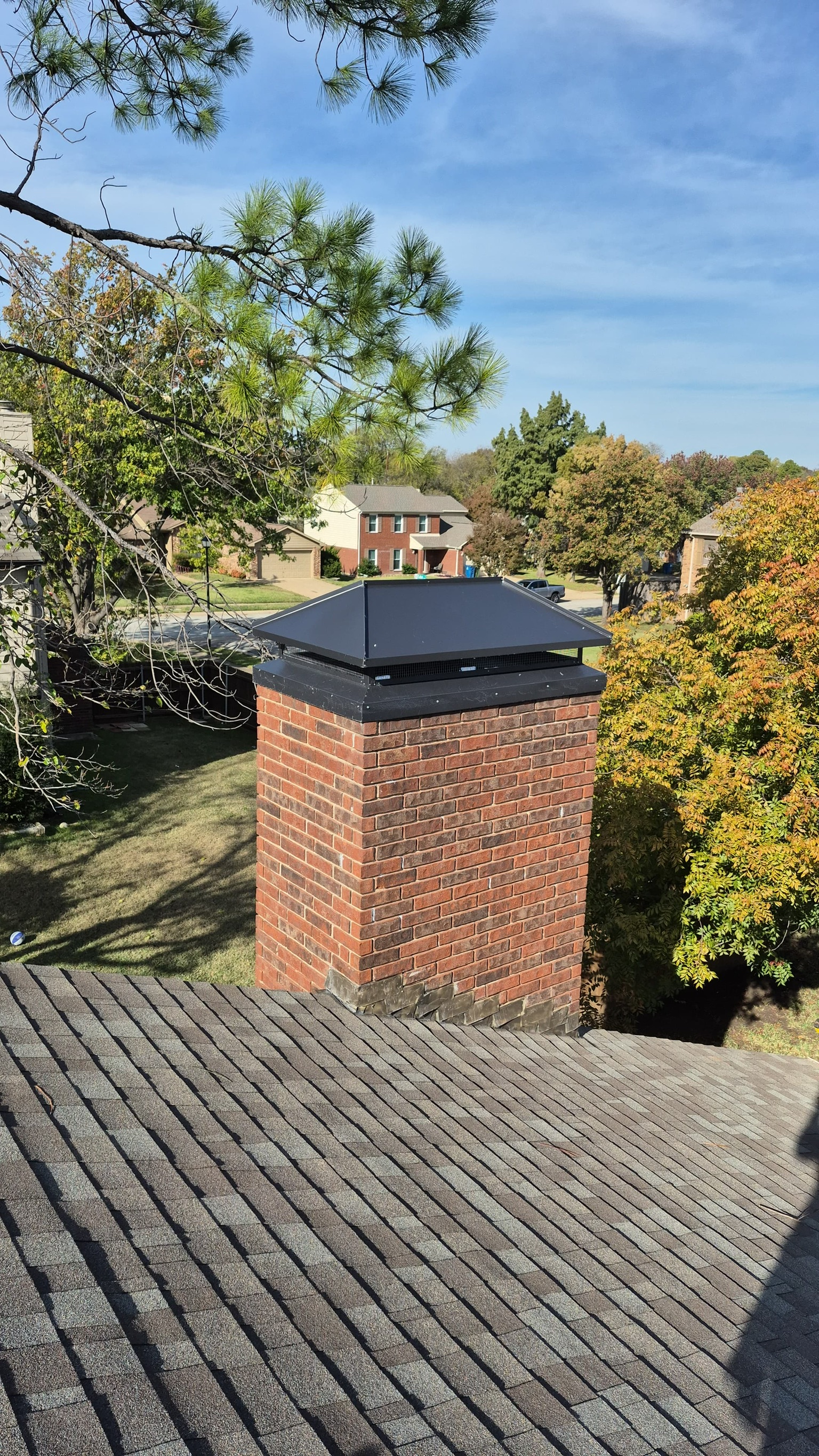
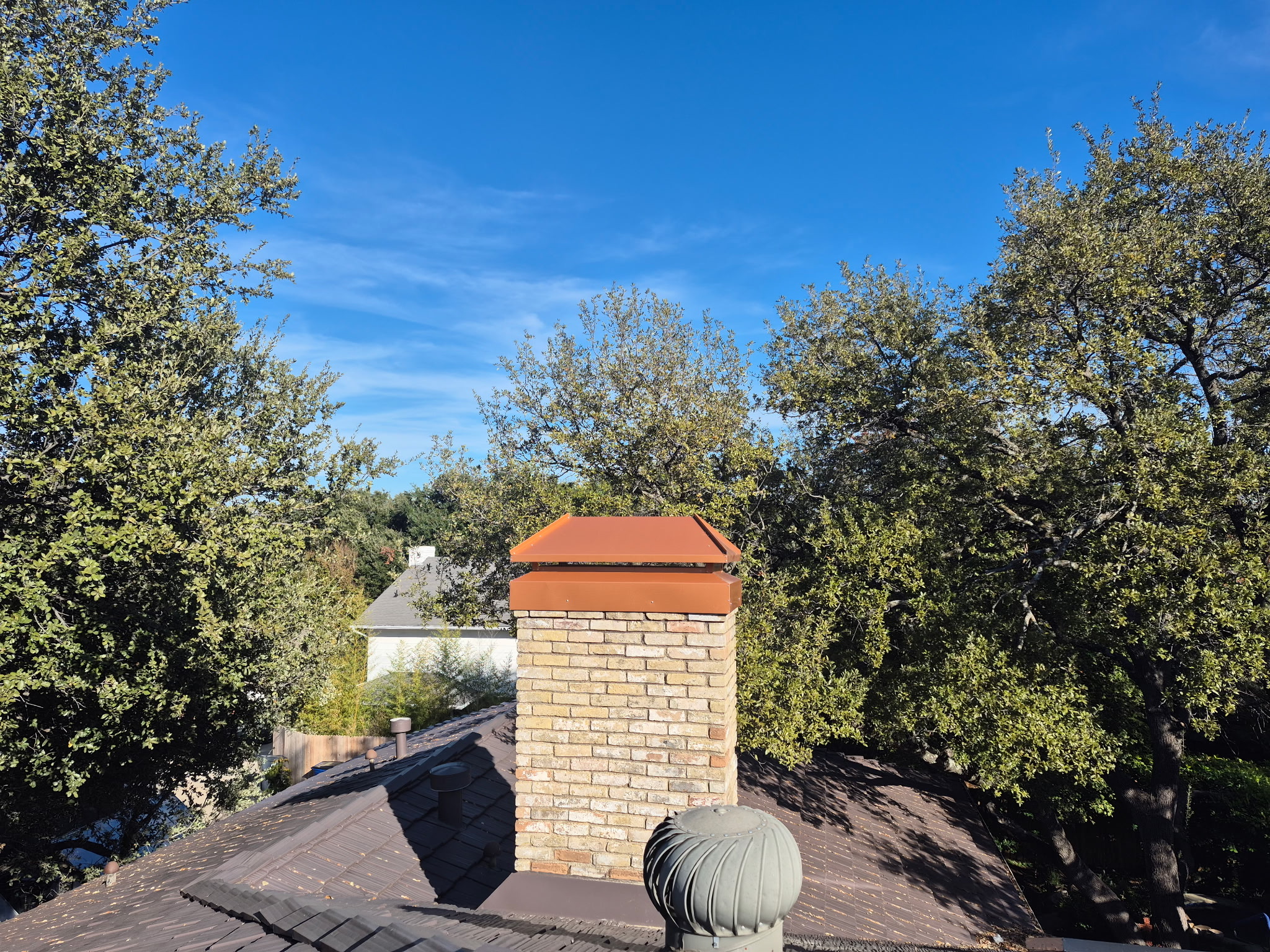
The very top is the most exposed part of your whole house. It takes sun, wind, and rain with nothing shielding it. The crown, that concrete slab at the top, is meant to shed water away from the flue. Over the years it cracks, and once it does, rain runs straight down into the masonry. If you do not have a good cover over the flue opening, rain pours directly down the inside of the chimney too. That is a lot of water going exactly where you do not want it.
The brick and mortar itself
Brick is porous. That surprises folks. It soaks up water like a sponge, and the mortar joints between the bricks are even more vulnerable. We see a lot of original masonry chimneys on the older homes around Lakewood and Preston Hollow, and after decades of Dallas weather the mortar starts to crumble and pull back. Once those joints open up, water gets behind the brick face and the freeze and thaw cycles we get on cold snaps do the rest, popping brick faces off a little at a time.
The flashing
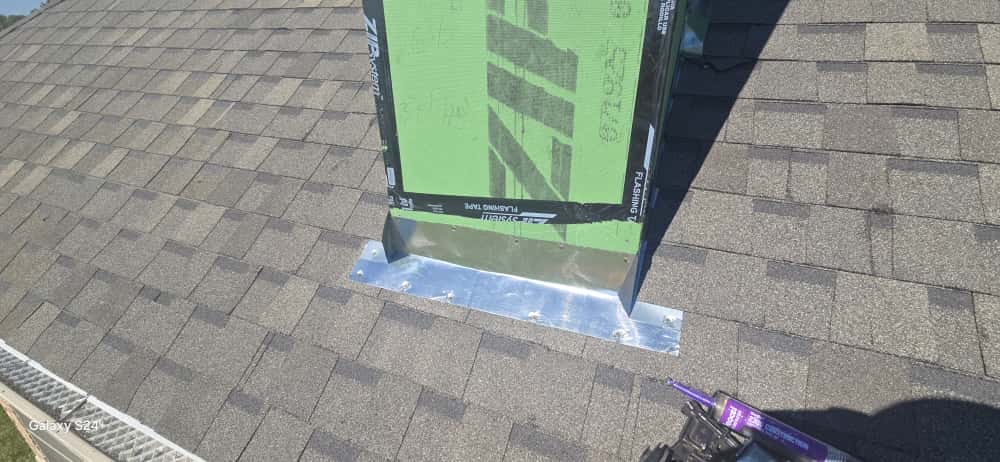
Flashing is the metal that seals the joint where the chimney meets your roof. When it is installed poorly or it corrodes and lifts, that seam becomes an open door. This is one of the most common leaks I find, and it often gets blamed on the roof when the chimney is the real culprit. Water running down the roof hits that gap and heads straight into your attic and down your walls.
Why Dallas homes get hit hard
Our climate is tough on chimneys in a way people do not expect. We swing from long, hot, humid stretches, with all that moisture rolling in off White Rock Lake in the summer, to sudden hard rains and the occasional hard freeze in winter. That expansion and contraction is brutal on brick and mortar. A chimney that looked fine five years ago can develop real problems fast, especially on the homes east of 75 and through the M Streets where a lot of the original masonry is pushing eighty or ninety years old.
The other thing working against us is that these leaks stay hidden. A little water getting in during each storm does not announce itself. It quietly rusts your damper, rots the wood framing around the fireplace, stains your drywall, and eats away at the mortar from the inside. By the time it is obvious, you are looking at a bigger repair than if we had caught it early.
How to stop it
The good news is that water intrusion is fixable, and prevention is a whole lot cheaper than letting it run its course. The right fix depends on where the water is getting in, which is why the first step is always a proper inspection so we are treating the actual problem and not guessing.
Seal the top and cover the flue
A big share of the leaks I chase start at the top. Repairing or rebuilding a cracked crown stops water from soaking into the structure, and installing a quality cover keeps rain out of the flue entirely. A good chimney cap does double duty by blocking rain and keeping birds, squirrels, and the debris that blows around after a storm from dropping down inside. If your chimney is open at the top right now, that is the single most valuable thing you can add.
Repair the masonry and flashing
When the mortar joints have opened up or the brick faces are spalling, tuckpointing and masonry work restore the barrier that keeps water out. Fresh flashing, sealed correctly at the roofline, closes off that sneaky seam where the chimney meets the shingles. Handling this kind of chimney repair before the damage spreads is what keeps a small job from turning into a rebuild. We can also apply a breathable waterproofing product to the brick that repels rain while still letting the masonry release moisture, which matters in our humidity.
Do not wait for the stain
If you are seeing any sign of moisture, or you honestly cannot remember the last time anyone looked at your chimney, get it checked before the next round of storms rolls through. Catching a leak early usually means a straightforward fix rather than tearing into walls later. Whether you need a solid chimney cap installed or a full look at what is going on up top, we are glad to come take a look, so reach out to us and we will get you sorted before that little drip becomes a real headache.