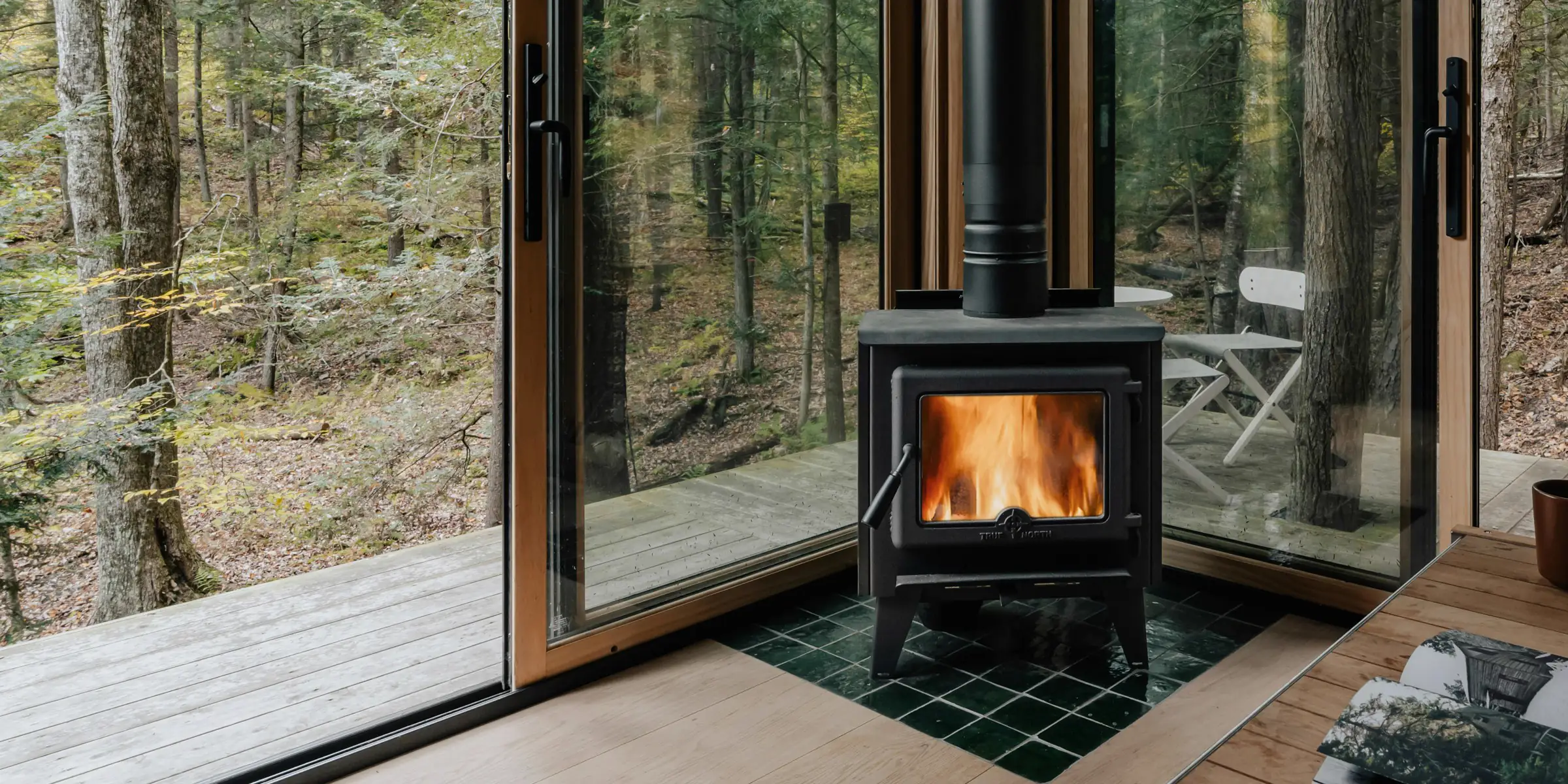
What a Professional Chimney Sweep Actually Does

 LiorJuly 13, 20264 mins
On this page
When folks call me out to a house in Lakewood or over near White Rock Lake, a lot of them think a chimney sweep is just some guy with a brush who knocks a little soot loose and heads out the door. I get why they picture it that way. But the truth is there's a good bit more to the job, and understanding what we actually do can save you money, headaches, and in the worst case a house fire. So let me walk you through it like I would if we were standing in your living room.
The Real Reason a Chimney Needs Sweeping
Every time you burn wood, the smoke leaves behind more than ash. It leaves a sticky, tar-like residue called creosote that clings to the inside walls of your flue. Over a season or two, that buildup gets thick, and creosote is highly flammable. That's the number one cause of chimney fires I see around Dallas. When we sweep, we're removing that creosote and the loose soot so your chimney can breathe and vent the way it was built to.
A lot of the older homes in neighborhoods like Preston Hollow and the M Streets have original masonry chimneys that have been burning fires for decades. Those flues need attention. Creosote doesn't care how charming the house is.
What the Sweeping Process Looks Like
When I show up for a professional chimney sweep, the first thing I do is protect your home. I lay down drop cloths, set up a HEPA vacuum to catch the fine dust, and seal off the fireplace opening so soot doesn't drift onto your furniture or floors. Nobody wants a black cloud settling on the couch.
From there I use rods and brushes sized to your specific flue to scrub the walls from top to bottom. Some chimneys I work from the roof down, others from the firebox up, depending on the setup. The goal is the same either way: get every wall clean so nothing dangerous is left clinging inside. When I'm done, I clean out the firebox and the smoke shelf, which is that little ledge above the damper where debris loves to collect.
Sweeping Is Only Half the Job
Here's the part most people don't realize. A good sweep is looking at your whole system the entire time, not just brushing walls. While I'm in there, I'm checking the condition of the flue liner, looking for cracks in the masonry, and watching for water damage. Dallas summers bring a lot of humidity, and the moisture that rolls in off places like Bachman Lake finds its way into chimneys that have gaps in the crown or a failing cap.
That's why a sweep and an inspection go hand in hand. A thorough chimney inspection lets me see whether the structure itself is sound. I'm looking for spalling brick, deteriorated mortar joints, a rusted-out damper, or a chimney cap that's gone missing. Any of those can let water in, and water is the silent killer of masonry chimneys. It freezes on those rare cold Dallas nights, expands, and slowly pulls the brick apart.
What I'm Checking Beyond the Firebox
The flue liner is a big one. If your liner is cracked, heat and gases can reach the wood framing of your house, and that's genuinely dangerous. I also check the cap and the crown up top, because those are your chimney's raincoat. A cap keeps out water, leaves, and the squirrels and birds that love to nest in flues around older Oak Cliff homes. When any of that is compromised, I'll show you photos so you can see exactly what I'm seeing.
Why It Matters for Your Home and Safety
A clean, well-maintained chimney does two jobs. It keeps your family safe from carbon monoxide and chimney fires, and it makes your fireplace actually work the way you want on those chilly evenings. A blocked or dirty flue doesn't draft well, which means smoke backs up into the room and your fire never really gets going.
I usually tell my customers to have their chimney swept and inspected once a year, especially if they burn regularly through the winter. Even if you only light a fire a handful of times, an annual check catches small problems before they turn into expensive repairs. I've seen a two hundred dollar fix balloon into a full rebuild because someone put it off for years.
What You Can Do Between Visits
Burn seasoned hardwood, not green or wet wood, because wet wood produces far more creosote. Keep an eye on your damper to make sure it opens and closes freely. And if you ever smell a strong, smoky odor coming from the fireplace during a humid stretch, that's often a sign of creosote buildup and worth a call.
If it's been more than a year since anyone looked at your chimney, or you just moved into one of those beautiful older homes east of 75 and have no idea what's going on up there, I'd be glad to come take a look. You can reach out to our team and we'll get you on the schedule. A little attention now keeps your fireplace safe and ready for the next cold snap that blows through Dallas.
Related Articles
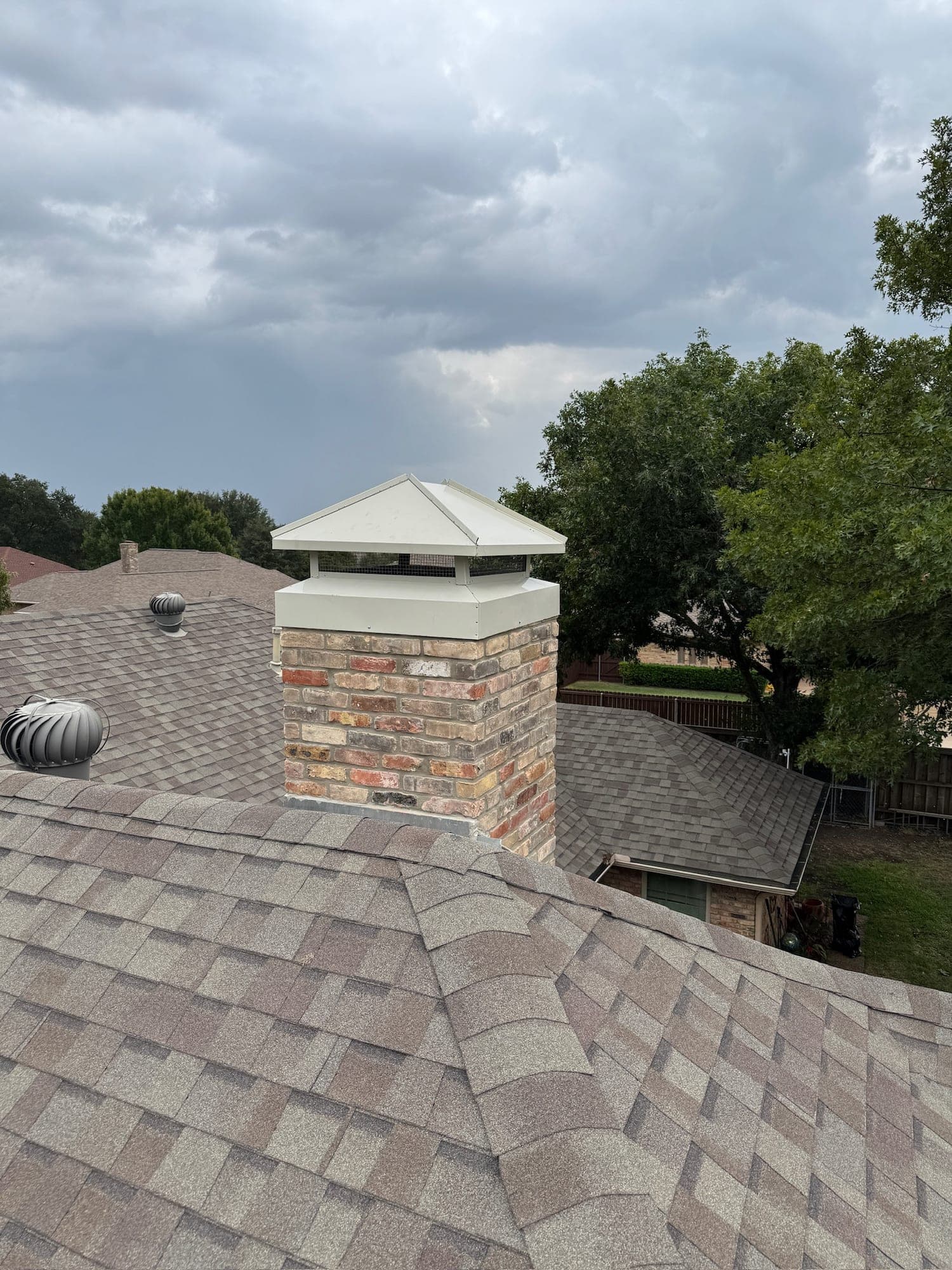
How a full width chase cover and hip style chimney cap protect a Dallas chimney from rain and animals
 Emily5 mins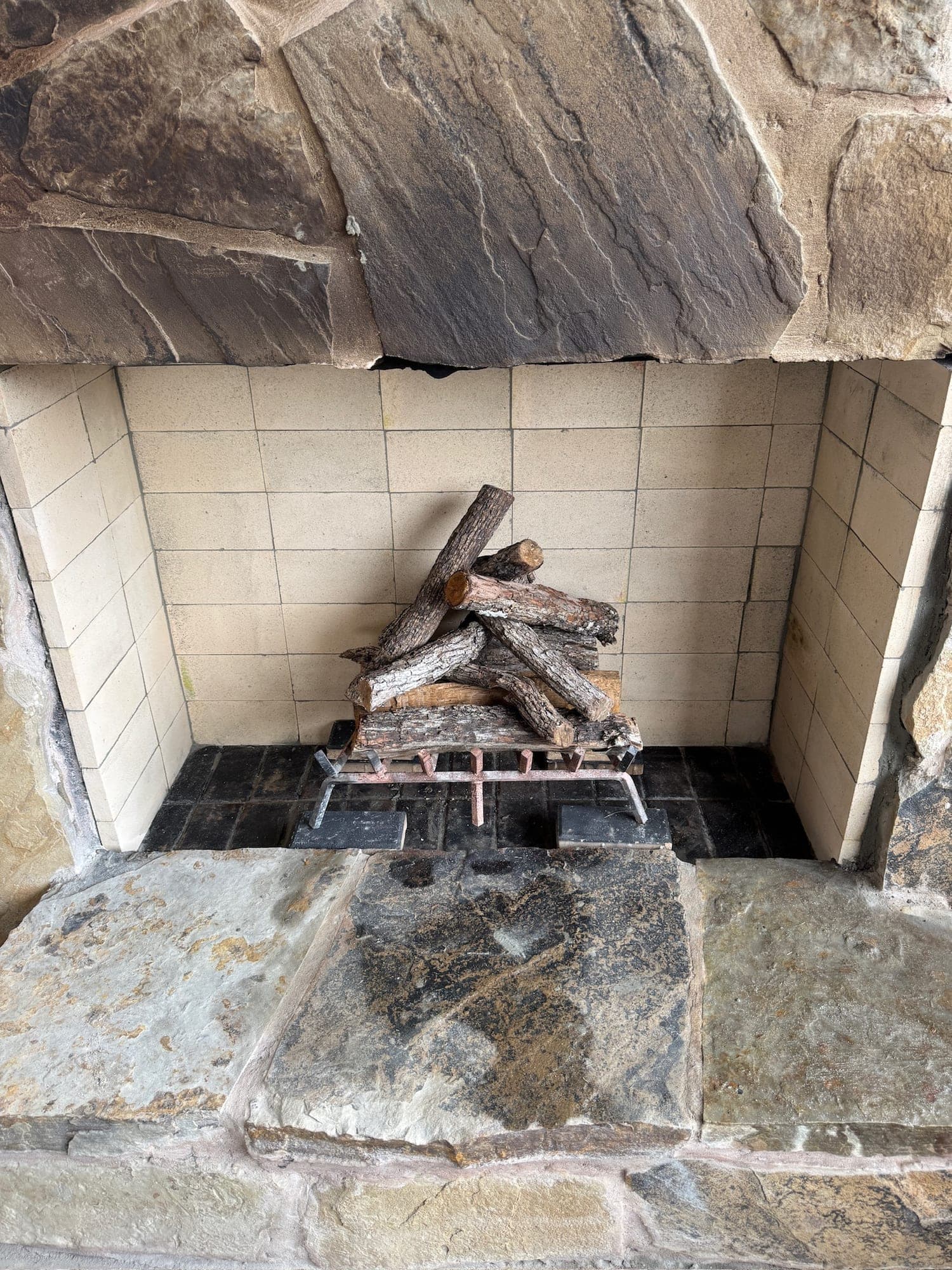
What Firewood Should You Actually Burn in Your Dallas Fireplace?
 Idan5 mins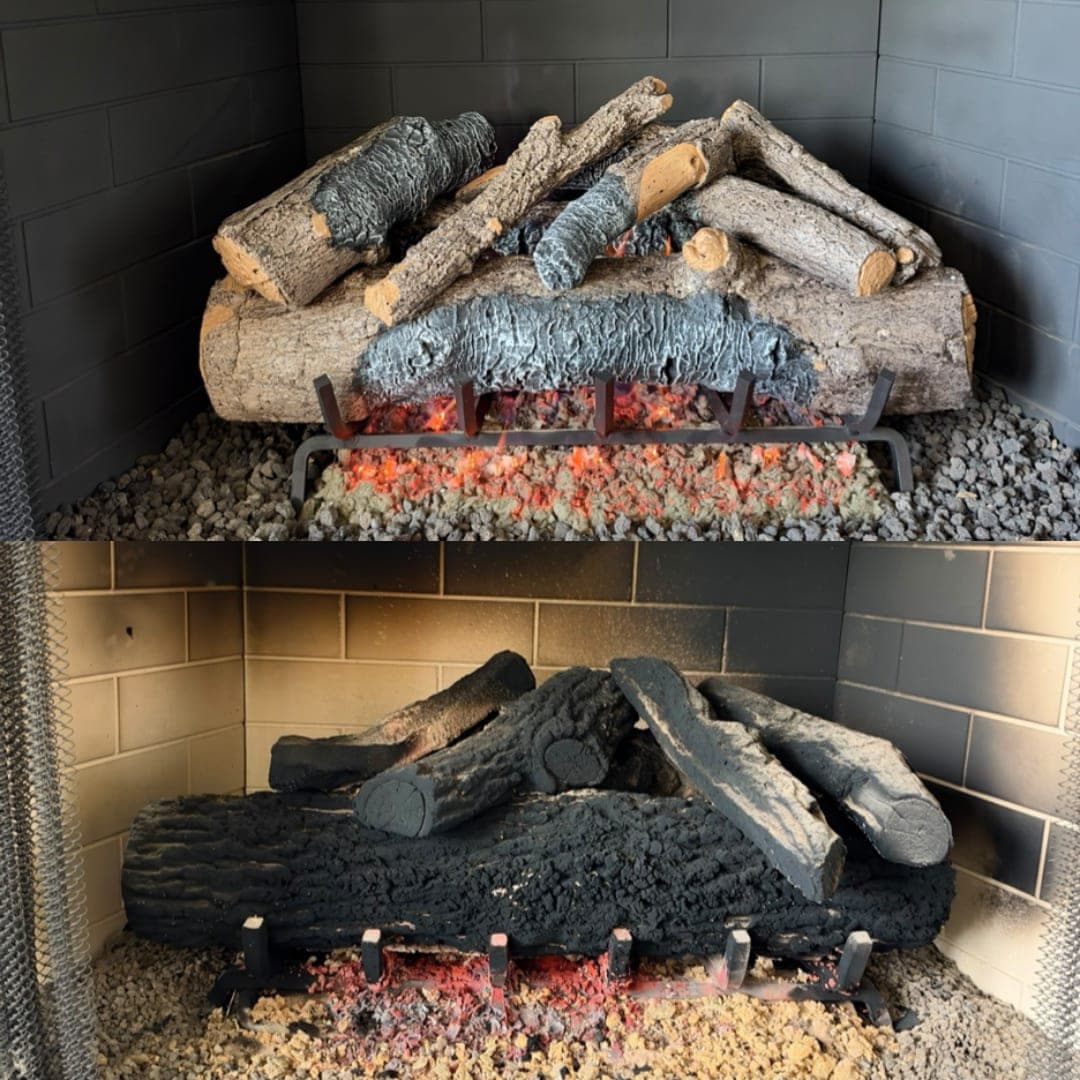
Your Gas Logs Are Covered in Black Soot: What That Means and Why Gas Fireplaces Still Need Cleaning
 Anastasia5 mins