Get Your Fireplace Ready Before the First Cold Front
 AnastasiaAugust 31, 20264 mins
On this page
It is the last day of August in Dallas, which means we are still running the air conditioning hard and nobody is thinking about firewood. I get it. But this is the stretch of the calendar when I do my best work for homeowners, because there is time. Come the first real cold front in November, when the north wind finally pushes down past 635 and everybody remembers they own a fireplace, the schedule tightens up fast. Book now and you get your pick of dates. Wait, and you may be waiting behind a hundred other people who had the same idea on the same cold morning.
Here is the checklist I would run through on my own house right now, and what each item actually tells you.
Open the damper and look up
Start with the simplest test there is. Reach up, find the damper handle or lever, and move it. Does it swing freely, or does it fight you? A damper that has sat closed through a Dallas summer often does not want to cooperate, especially in the older housing stock around Lakewood and Swiss Avenue where the original hardware is still in place. Rust, warped metal, and mortar debris are the usual culprits, and we broke down the causes in our piece on what is really wrong when a damper sticks.
With the damper open, shine a flashlight up the flue. You are not diagnosing anything from down there, but you are looking for obvious trouble: a nest of twigs, a shaft of daylight where there should not be one, black flaky buildup coating the walls, or chunks of brick and mortar sitting on the smoke shelf.
Check what the summer left behind
Dallas summers do a specific kind of damage. Heat, then a violent thunderstorm, then heat again. Masonry expands and contracts, mortar joints open up, and the flashing where the chimney meets the roof works itself loose. Then the fall rain arrives and finds every one of those openings.
From the ground, look at the crown and the cap
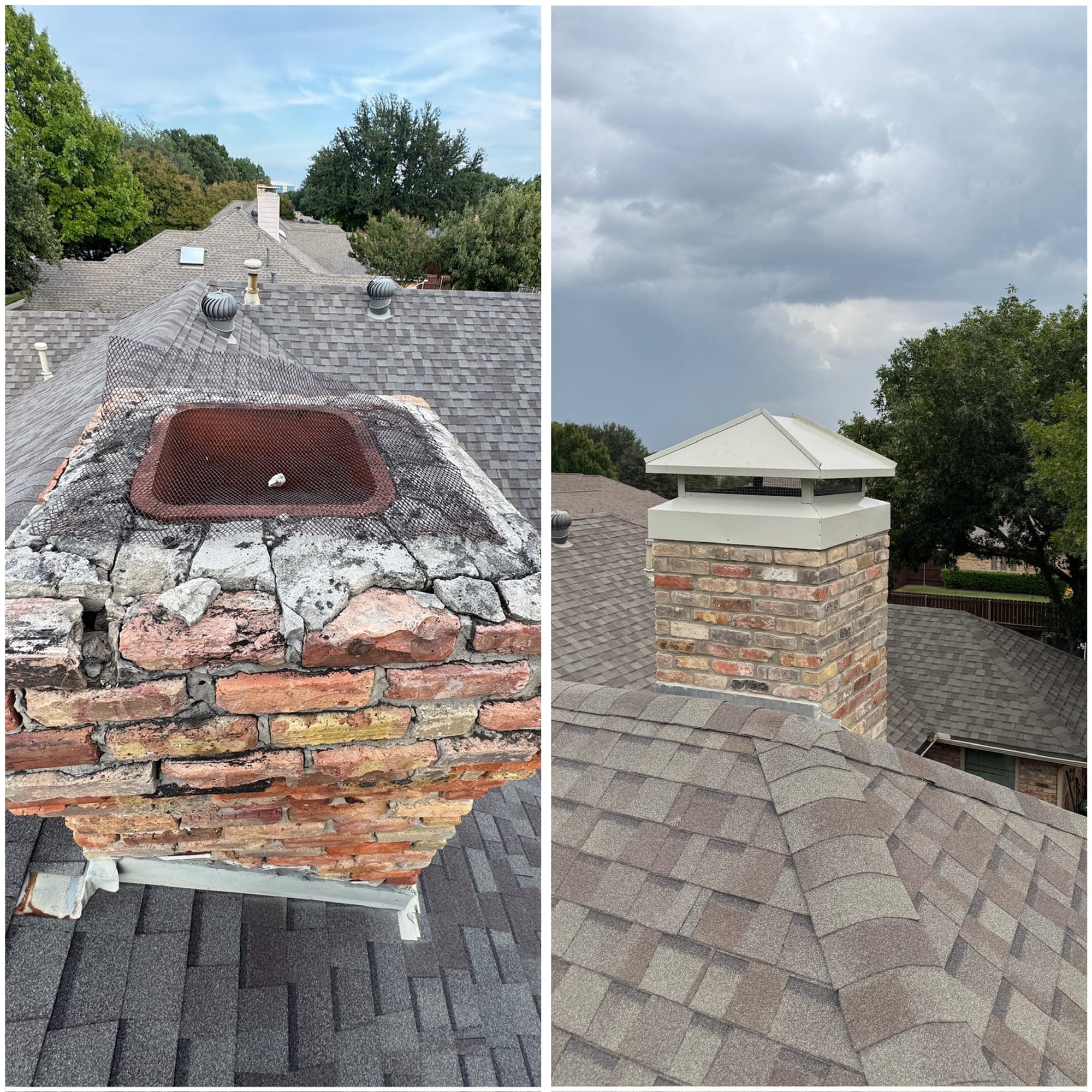
Step out into the yard and look at the top of your chimney. The concrete crown should be intact and sloped, not cracked like a dry lakebed. The cap should be sitting square with its screen in place. If you cannot see a cap up there at all, that is an open pipe into your house, and everything from squirrels to sparrows will treat it as prime real estate. A bent screen, a missing lid, or rust streaks running down the brick are all worth noting from the driveway, because they are cheap problems while they are still small ones.
Look for stains inside
Water stains on the wall beside the firebox, a musty smell that got worse in July, white chalky powder on the brick, or wallpaper lifting near the chimney chase. All of those say moisture is already getting in. That gets cheaper to fix in September than it does in February after another four months of rain.
Deal with the smell now, not in October
If your fireplace has been faintly reminding you of a wet ashtray all summer, that is creosote and old ash reacting to humidity and getting pushed back into the room by your air conditioning pulling air down the flue. It does not fix itself when the weather cools. It just gets masked. A proper cleaning is the answer, and this is exactly the right time of year for it because the sweep can work without you losing a burn night.
Schedule the inspection while there is room on the calendar
Everything above is a homeowner's walkaround. It catches the obvious. What it cannot catch is a cracked flue tile, a gap in the liner, a breach between your flue and the one next door in a shared chimney, or gas logs venting where they should not. That takes a camera and somebody who knows what they are seeing.
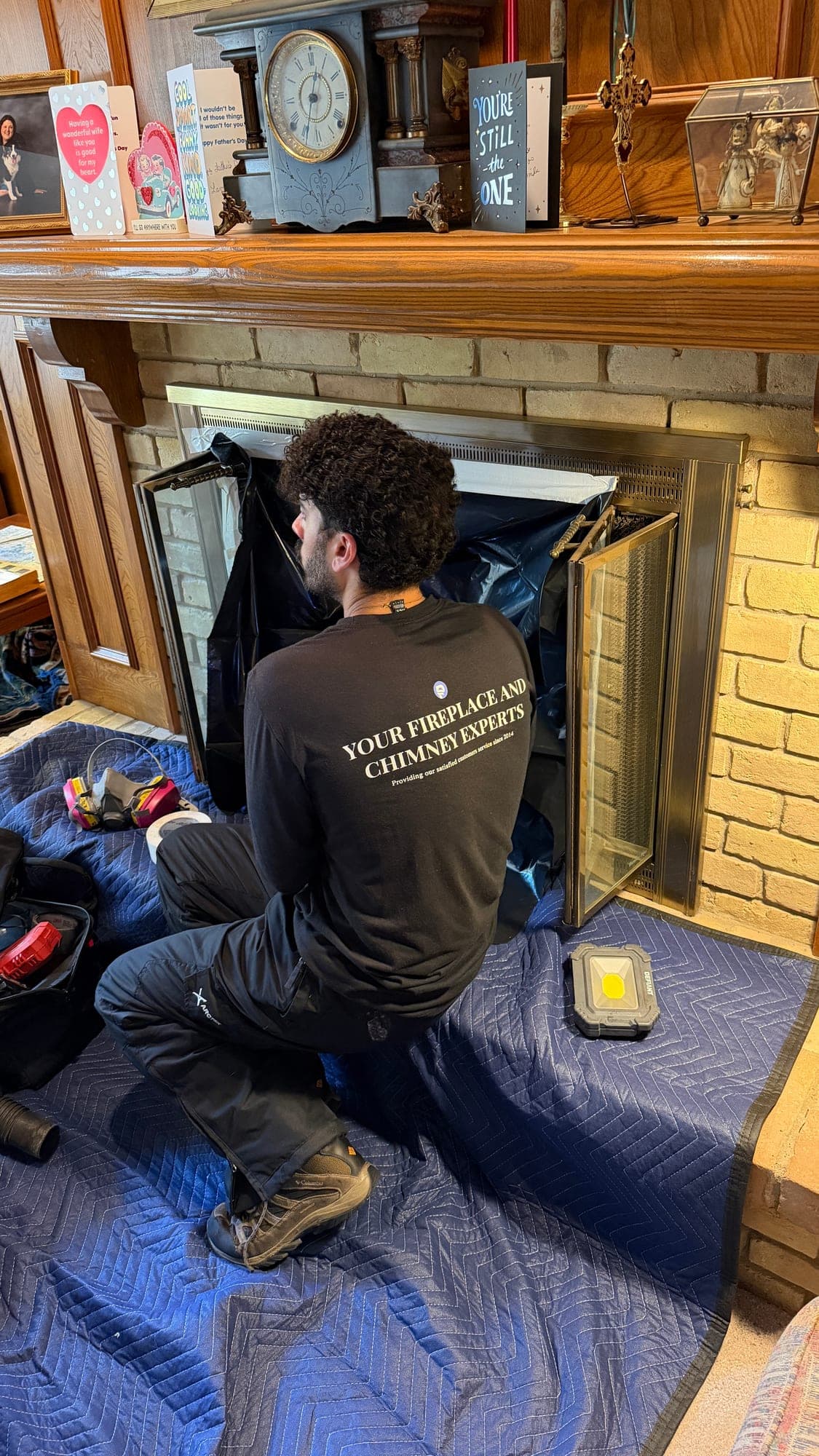
A professional fireplace inspection is the backbone of pre-season prep. We are checking the firebox, the damper, the liner, the crown, the cap, the flashing, and the clearances, and we are telling you honestly whether you need work or whether you are good to burn. If the inspection turns up creosote, and in a house that burned regularly last winter it usually does, a chimney sweep takes care of it in the same visit window. Creosote is the reason chimney fires happen, and we went into detail on how to spot creosote buildup if you want to know what you are looking at.
Gas fireplace owners are not off the hook
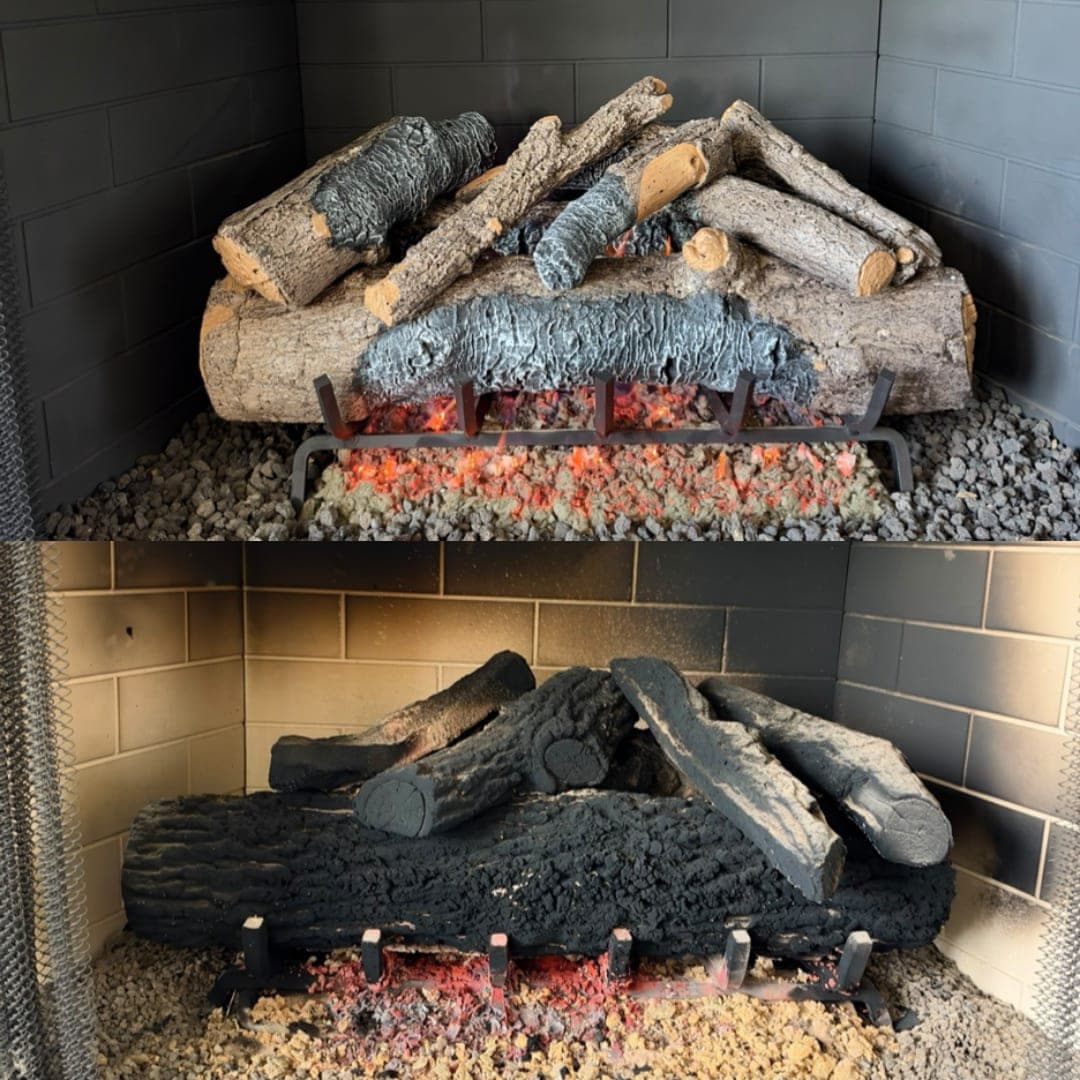
I hear this one a lot in Preston Hollow and Uptown, where gas inserts are everywhere. No wood means no creosote, true. It does not mean no maintenance. Pilot assemblies get dusty and stop lighting, thermocouples fail, glass gaskets dry out, and vents get blocked by the same birds and debris that bother masonry chimneys. A gas appliance that will not light on the first cold evening is a service call at the worst possible time.
What good timing actually buys you
Late summer prep means a technician has room to come back if something needs a repair. Tuckpointing, a new liner, a crown rebuild, flashing work: those need dry weather and a few days. Try to get that done in December and you are burning nothing until January.
If you want to be the household with a working fireplace on the first genuinely cold night, now is the moment to book a Dallas fireplace inspection and get ahead of the rush. The weather will turn eventually. It always does, usually with no warning at all.
Common questions
Late summer through early fall is the ideal window. The weather is dry, technicians have open schedules, and any repairs the cleaning uncovers can be finished before you actually need heat. Waiting until the first cold front means competing with everyone else who remembered their fireplace on the same morning. If you burned wood regularly last winter, a cleaning before the next burning season is a reasonable expectation.
A standard inspection and cleaning for a typical masonry fireplace in the Dallas area generally falls somewhere in the low to mid hundreds of dollars, with the range depending on chimney height, access, how much buildup is present, and whether a camera scan of the flue is included. Heavy creosote, multiple flues, or hard roof access push it higher. Any repair work found during the inspection is priced separately.
Yes. Gas fireplaces do not produce creosote, but pilot assemblies collect dust, thermocouples and thermopiles wear out, glass gaskets dry and crack, and vent terminations get blocked by nests or debris. Logs also shift out of position over time, which causes sooting and poor flame appearance. An annual service check keeps the unit lighting reliably and confirms the venting is clear and combustion is safe.
Summer humidity reacts with leftover creosote and ash in the flue, producing that sour, smoky smell. Air conditioning makes it worse by creating negative pressure inside the house, which pulls air down the chimney instead of letting it rise. A thorough cleaning removes the source. Keeping the damper closed when the fireplace is not in use and improving ventilation in the room helps in the meantime.