Wood-Burning vs Gas Fireplaces: A Texas Homeowner's Comparison

 LiorJuly 27, 20265 mins
On this page
Every fall, once the air off White Rock Lake finally loses its edge, I start getting calls from folks trying to decide what to do about their fireplace. Some have an old wood-burning firebox they've never really used. Others are staring at a gas insert and wondering if it's worth keeping. If you're weighing wood versus gas here in Dallas, I want to walk you through it the way I would if we were standing in your living room together.
The Feel and the Practical Side
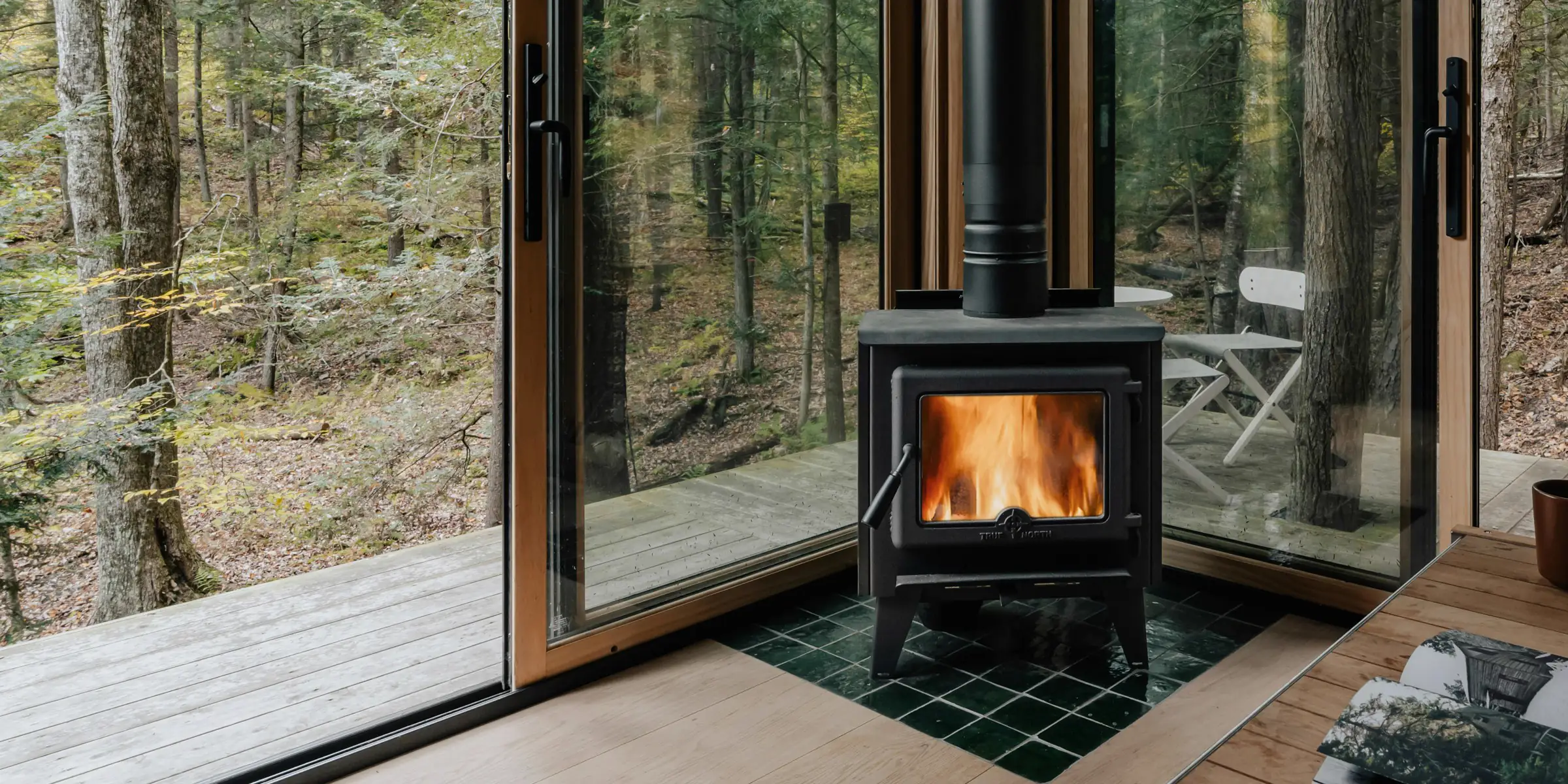
There's no honest way around it. A wood fire has a personality that gas can't quite copy. The crackle, the smell, the way the light moves. If you've got one of those grand old homes in Lakewood or Preston Hollow with original masonry, that wood-burning firebox is part of the character of the place, and a lot of my customers wouldn't trade it for anything.
Gas, on the other hand, gives you heat with the flip of a switch. No hauling logs in from the yard, no ash to shovel out on a Sunday morning, no waiting twenty minutes for the fire to catch. For busy families and for folks who want warmth without the ritual, that convenience matters. I've installed plenty of gas units in newer condos around Uptown where storing a cord of firewood just isn't realistic.
Heat Output and Efficiency
Wood puts out serious heat, but a lot of it escapes up the chimney if the system isn't set up well. An open masonry fireplace can actually pull warm air out of your house. Gas fireplaces, especially sealed inserts, tend to be more efficient because you're controlling the burn and keeping more heat in the room. Given how mild our Dallas winters usually run, most homeowners aren't heating the whole house anyway. You're after that cozy corner of the living room, and either option can deliver it.
What Ownership Actually Looks Like in Dallas
People ask me which one is less work, and the honest answer is that both need attention, just different kinds.
Living With a Wood-Burning Fireplace
Wood means creosote. Every time you burn, a little of that sticky, flammable residue builds up inside your flue. In our climate, where humidity rolls in and out and a chimney can sit unused for months, that buildup combined with moisture is exactly what leads to problems. That's why regular sweeping and inspection isn't optional. Staying on top of routine fireplace maintenance is the difference between a chimney that lasts decades and one that gives you a chimney fire or a costly masonry repair down the road.
I also see a lot of older Dallas chimneys where the mortar has taken a beating. Our freeze-thaw swings aren't as brutal as up north, but they still happen, and water is patient. If you love your wood fireplace, plan on having a technician look at the crown, the flashing, and the liner every year.
Living With a Gas Fireplace
Gas feels low maintenance, and in daily use it mostly is. But those units have real components: pilot assemblies, thermocouples, ignition systems, and gas lines that all need to work right and safe. When a gas fireplace stops lighting or starts making a smell you don't recognize, that's not a wait-and-see situation. Prompt gas fireplace repair keeps a small issue from becoming a dangerous one. Even a well-behaved gas unit deserves an annual check so the venting stays clear and the burner runs clean.
Cost and Conversion
Upfront, keeping an existing wood-burning fireplace is usually the cheaper path since the structure is already there. Converting to gas, whether you go with a full insert or gas logs, costs more at the start but saves you the ongoing chore of buying and storing wood. A lot of homeowners in the M Streets and Bishop Arts, where the houses are charming but the closets are tight, tell me the storage question alone pushes them toward gas.
If you're thinking about a conversion, don't let anyone talk you into dropping gas logs into a chimney that hasn't been inspected. I've seen it go wrong. The flue still has to vent properly, and a compromised liner is a real hazard no matter what you're burning.
So Which One Should You Choose?
If the ritual and the authentic flame mean everything to you, and you don't mind the upkeep, stick with wood and take care of it like you mean it. If you want warmth on demand with less hands-on work, gas is a genuinely great fit, and modern units look far better than the ones from twenty years ago. There's no wrong answer, only the one that fits how you actually live.
What I'd steer you away from is guessing. Every home is different, and a chimney built in the 1940s off Swiss Avenue has different needs than a gas unit installed last year near the Tollway. If you want a straight opinion based on what you've actually got, reach out to our team and we'll come take a look before you spend a dime on the wrong thing.
Whatever you land on, the goal is the same: a fireplace that's safe, warm, and ready for those handful of cold Dallas nights that make the whole thing worth it.
Related Articles
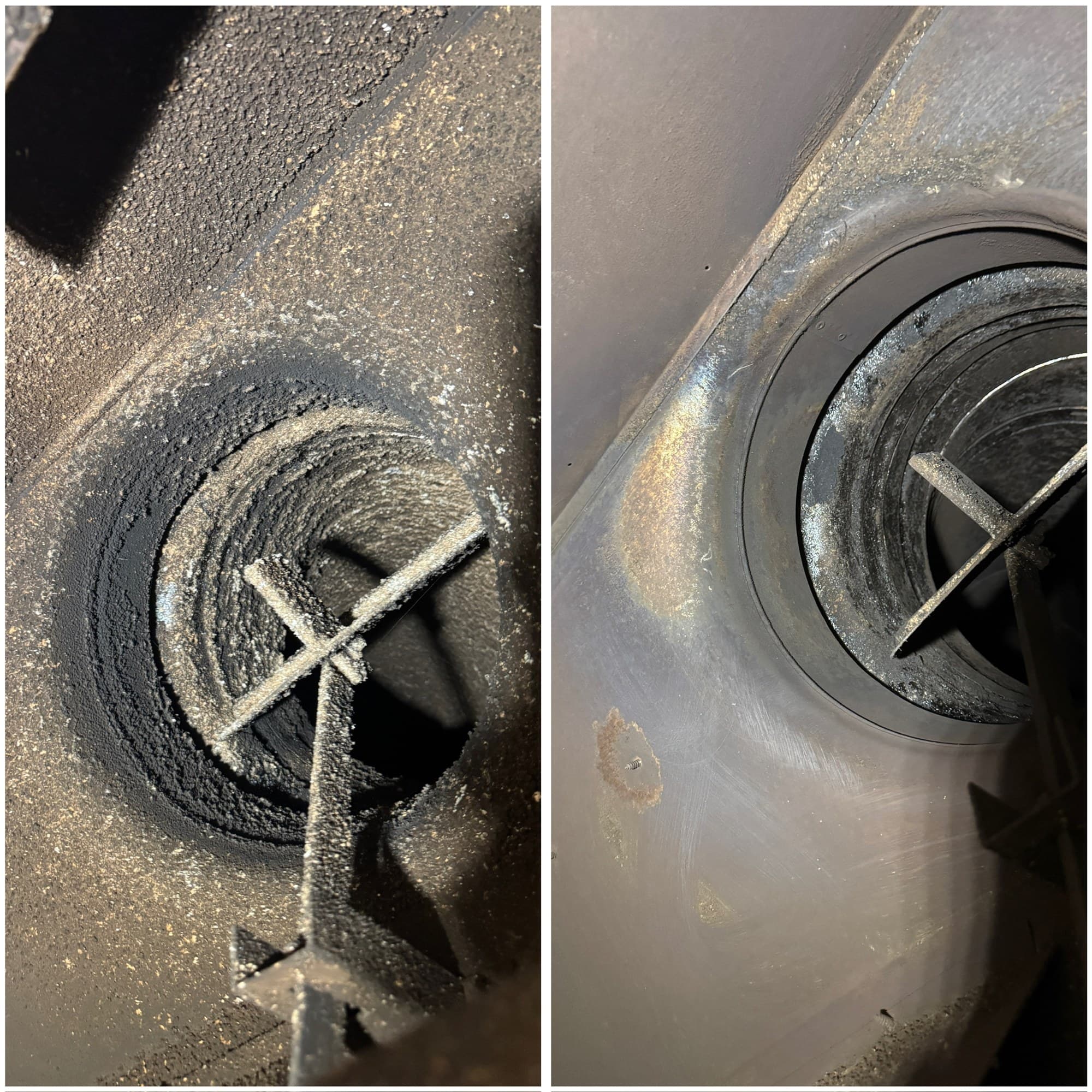
Fireplace Damper Stuck? Here's What's Really Wrong
 Emily5 mins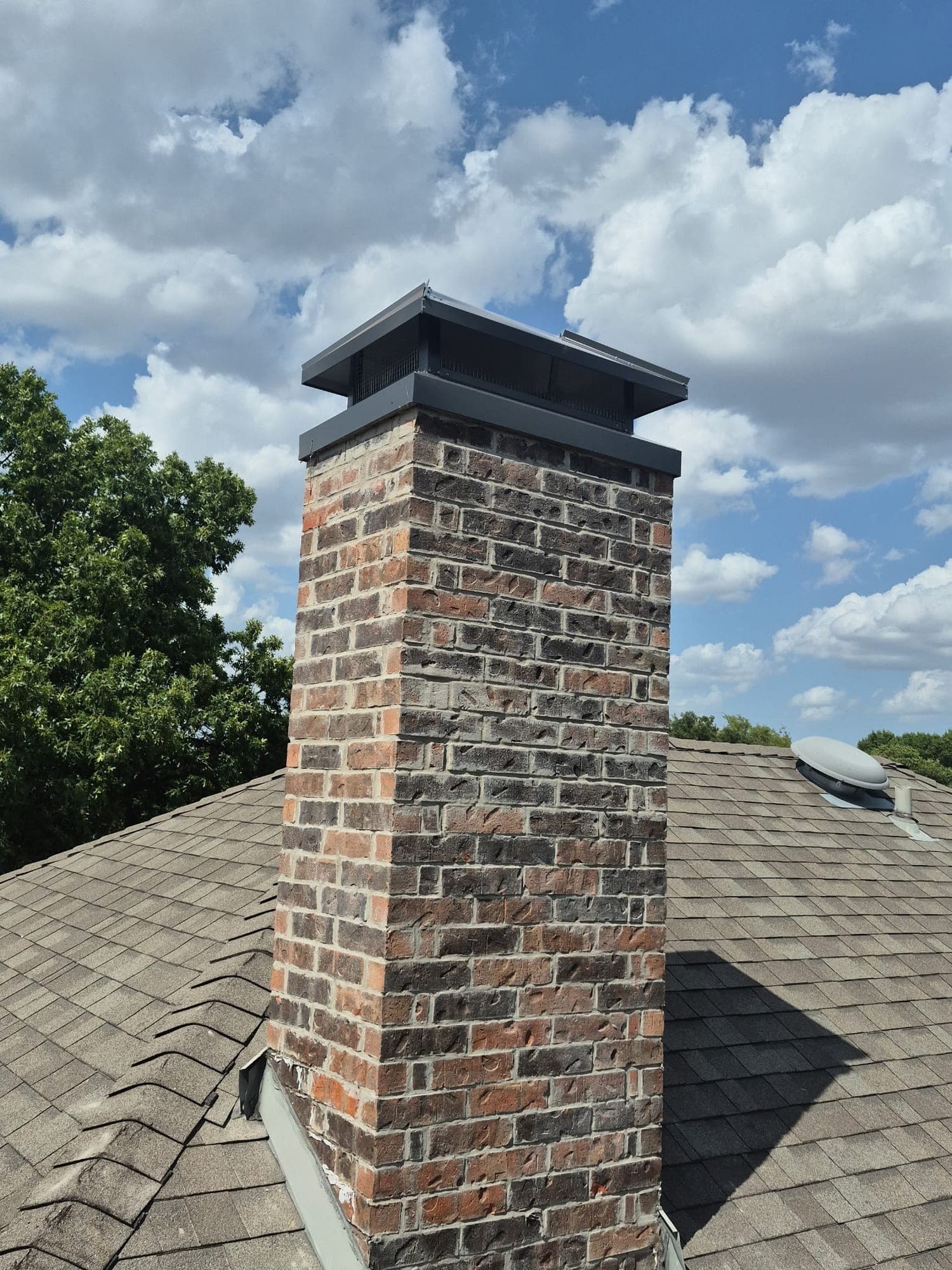
Chimney base flashing where the brick chimney meets the shingle roof, and why that joint matters for keeping water out
Emily5 mins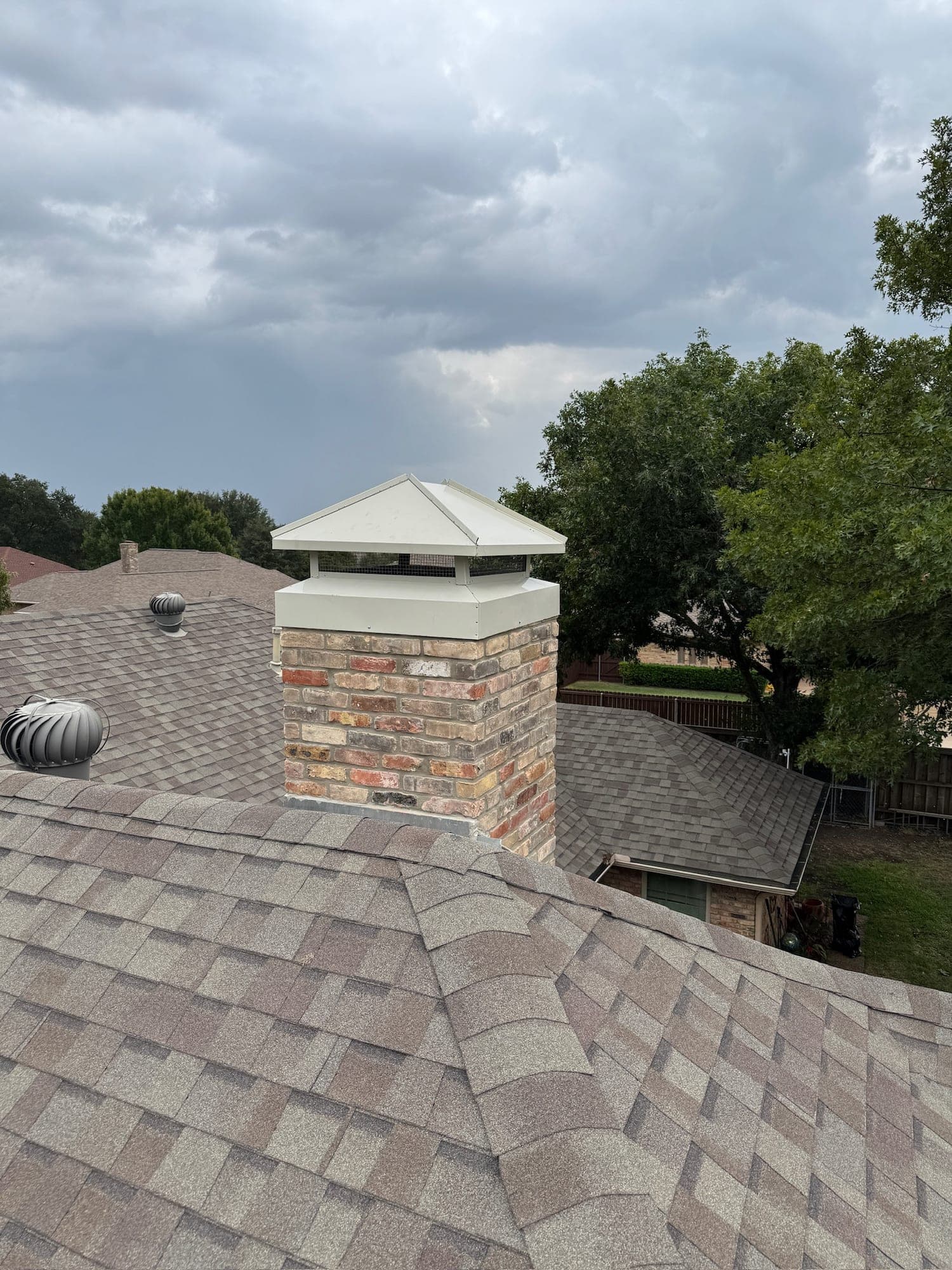
How a full width chase cover and hip style chimney cap protect a Dallas chimney from rain and animals
Emily5 mins