Gas Fireplace Won't Light? A Homeowner's Troubleshooting Guide
 IdanJuly 6, 20265 mins
On this page
There is nothing worse than settling in on a cool Dallas evening, reaching for the switch on your gas fireplace, and getting nothing. No flame, no glow, just a click and silence. I have walked into plenty of homes around Lakewood and Lake Highlands where a homeowner met me at the door already frustrated, sure the whole unit was shot. Most of the time, the fix is simpler than they feared. Let me walk you through what I check first, in the same order I would if I were standing in your living room.
Start With the Easy Stuff
Before we go poking around inside the firebox, let us rule out the obvious. I know it sounds basic, but I have driven across town more than once for a fireplace that just needed the gas turned back on.
Check the Gas Supply
Find the shutoff valve near the fireplace, usually a small handle on the gas line. When the handle runs in line with the pipe, the gas is on. When it sits crosswise, it is off. If you had any plumbing or gas work done recently, someone may have closed it and forgotten. Also make sure your propane tank has fuel or that your natural gas service is active, especially if you just moved into an older home in Preston Hollow where the previous owner may have shut things down.
Look at the Wall Switch and Remote
A surprising number of "dead" fireplaces come down to a wall switch wired loose or a remote with tired batteries. Swap the batteries in your remote and the receiver if it has them. If you use a wall switch, flip it a few times and listen for a faint click. No click at all can point to a wiring problem, but let us keep going before we assume the worst.
The Pilot Light Is Usually the Culprit
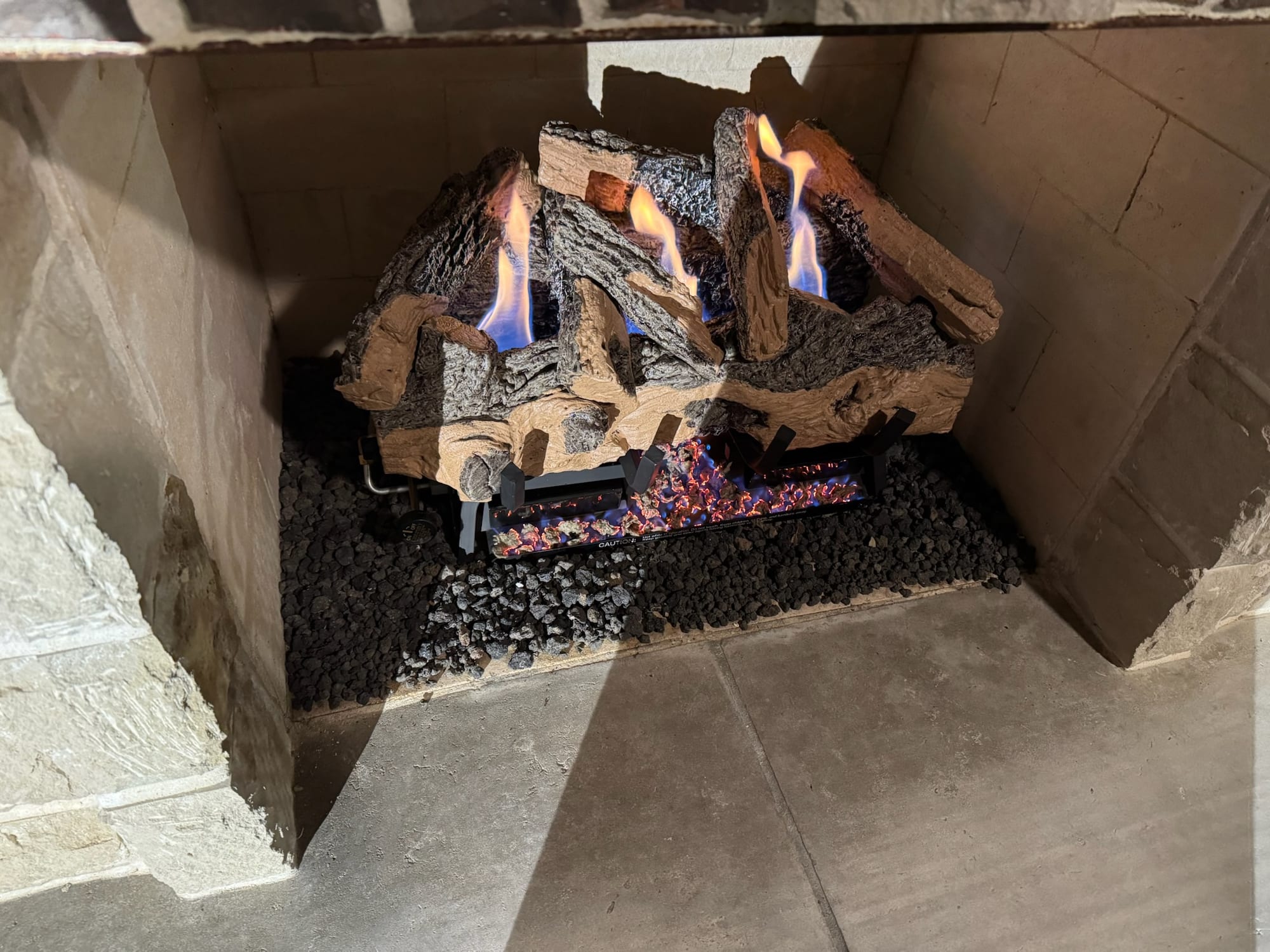
On most gas fireplaces, everything depends on the pilot. If the pilot is out, the burner will never light. So the next thing I do is peek behind the glass or logs to see if that small blue flame is burning.
Relighting a Standing Pilot
If your unit has a standing pilot, there is a control knob down low, often marked Off, Pilot, and On. Turn it to Pilot, press it in to send gas to the pilot, and hold it while you press the igniter button. You may hear a rapid clicking. Keep holding the knob for about thirty seconds after the pilot catches, then release slowly. If the flame dies the moment you let go, the thermocouple probably is not heating up enough to keep the valve open. That part is cheap, but it does wear out, and Dallas humidity rolling off White Rock Lake in the summer can speed along the corrosion on these components.
When the Igniter Just Clicks
If you hear clicking but see no spark, or you smell gas but nothing lights, stop and back off. A weak or misaligned igniter, or a pilot orifice clogged with dust and spider webs, keeps the flame from forming. Spiders love these gas lines, and I pull webbing out of firebox assemblies all over Oak Cliff. This is where a little cleaning goes a long way, but it needs to be done carefully so you do not damage the electrode.
Newer Fireplaces and Their Quirks
Many homes now have electronic ignition systems instead of a standing pilot. These save gas because there is no flame burning around the clock, but they bring their own headaches. If the battery backup is dead and the power is out, the fireplace simply will not fire. Check the battery pack, usually tucked in the control compartment behind the lower louver. A tripped breaker or an unplugged transformer can leave one of these units completely unresponsive too.
Some models also have a safety interlock that refuses to light if the glass front is not seated correctly. If you cleaned the glass recently and did not latch it back down, that can be your whole problem right there.
When It Is Time to Call a Pro
I am all for saving you a service fee, but gas is not something to gamble with. If you smell a strong rotten egg odor, do not keep flipping switches. Turn off the gas at the valve, open a window, and step outside to call your utility. That smell means gas is escaping, and no lit fireplace is worth the risk.
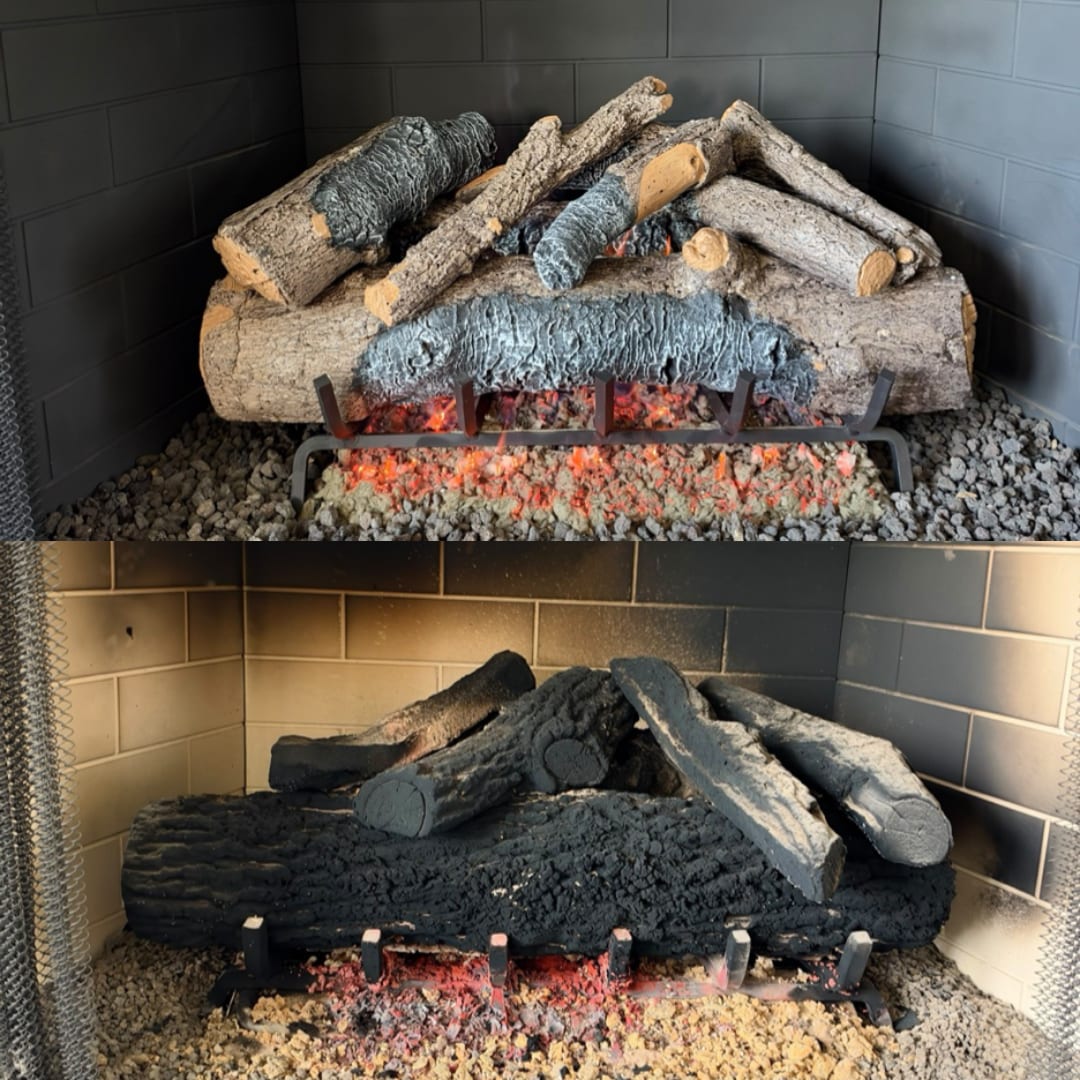
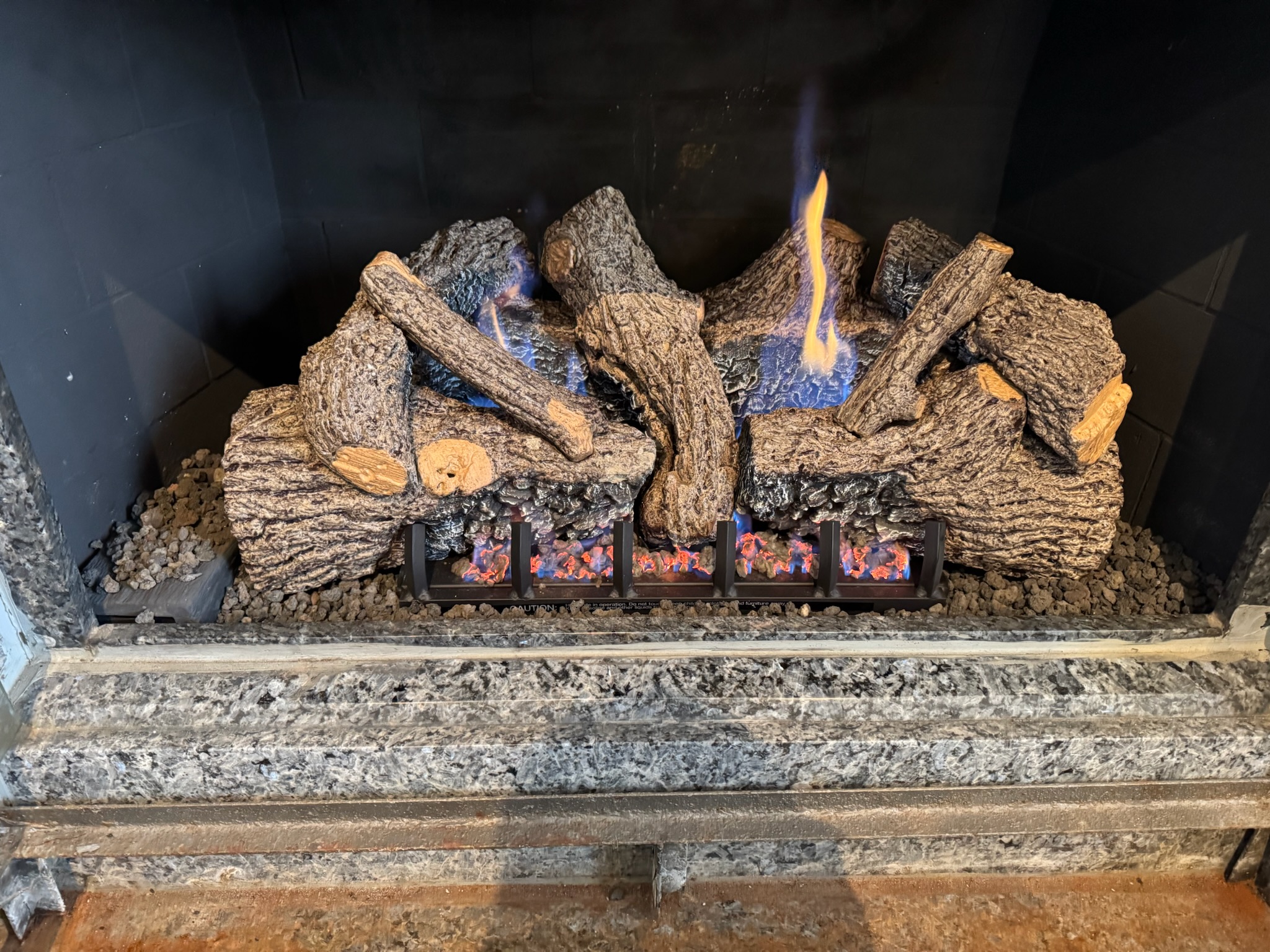
Likewise, if the pilot lights but the main burner will not, or the flame burns lazy and yellow instead of crisp and blue, there is likely a valve, a clogged burner, or a venting issue behind it. Those repairs call for the right tools and a trained eye, and that is exactly the kind of gas fireplace repair we handle every week for folks across Dallas. I also strongly recommend a yearly fireplace inspection so we catch a failing thermocouple or a cracked log before it leaves you cold.
If you have run through everything here and your fireplace still refuses to light, do not wrestle with it any longer. Reach out to our team and we will get someone out to your home to sort it out safely. A working fireplace should be the easy part of a chilly night, and we are glad to help you get back to enjoying it.