Why Your Fireplace Smells Bad in Summer and What to Do About It
 AnastasiaJune 22, 20264 mins
On this page
If you have ever walked past your fireplace on a hot July afternoon and caught a whiff of something sour, smoky, or just plain musty, you are not imagining it. This is one of the most common calls we get here in the DFW area once summer rolls around. The good news is that the smell almost always has a simple explanation, and even better, it is fixable. Let me walk you through what is going on and what you can do about it.
Why the Smell Shows Up When It Gets Hot
Your chimney is basically a tube full of leftovers from every fire you burned all winter. Soot, ash, and a sticky byproduct called creosote coat the inside of the flue. During the cooler months you barely notice it because the air is dry and your fireplace is actively pulling air up and out. Summer changes the game completely.
When the Texas heat and humidity hit, two things happen at once. The moisture in the air mixes with all that creosote and soot, and that combination starts to give off a strong, almost barbecue-gone-wrong odor. At the same time, the pressure in your house can shift, especially when the air conditioning is running, and instead of air going up the chimney it can come back down into your living room. That reversed airflow drags every bit of that smell right into your home.
Creosote and Moisture Are the Real Culprits
Creosote is the big one. It builds up a little more with every fire, and the more there is, the worse it smells when humidity creeps in. If you burned a lot of wood last winter and did not have the flue cleaned afterward, you are essentially storing a season's worth of odor up there waiting for the right conditions to release it.
Moisture makes everything worse. A flue that lets rain or humid air in gives that creosote something to react with, and the result is that damp, smoky smell that seems to get stronger on the most humid days.
Other Things That Can Make It Worse
It is not always just creosote. Sometimes the problem is something living, or that used to be living, inside your chimney. Birds, squirrels, and raccoons love an open flue, and nests or animals that got stuck up there can create an awful smell that has nothing to do with soot. Leaves and other debris that blow in and sit on top of damp creosote add to the mix too.
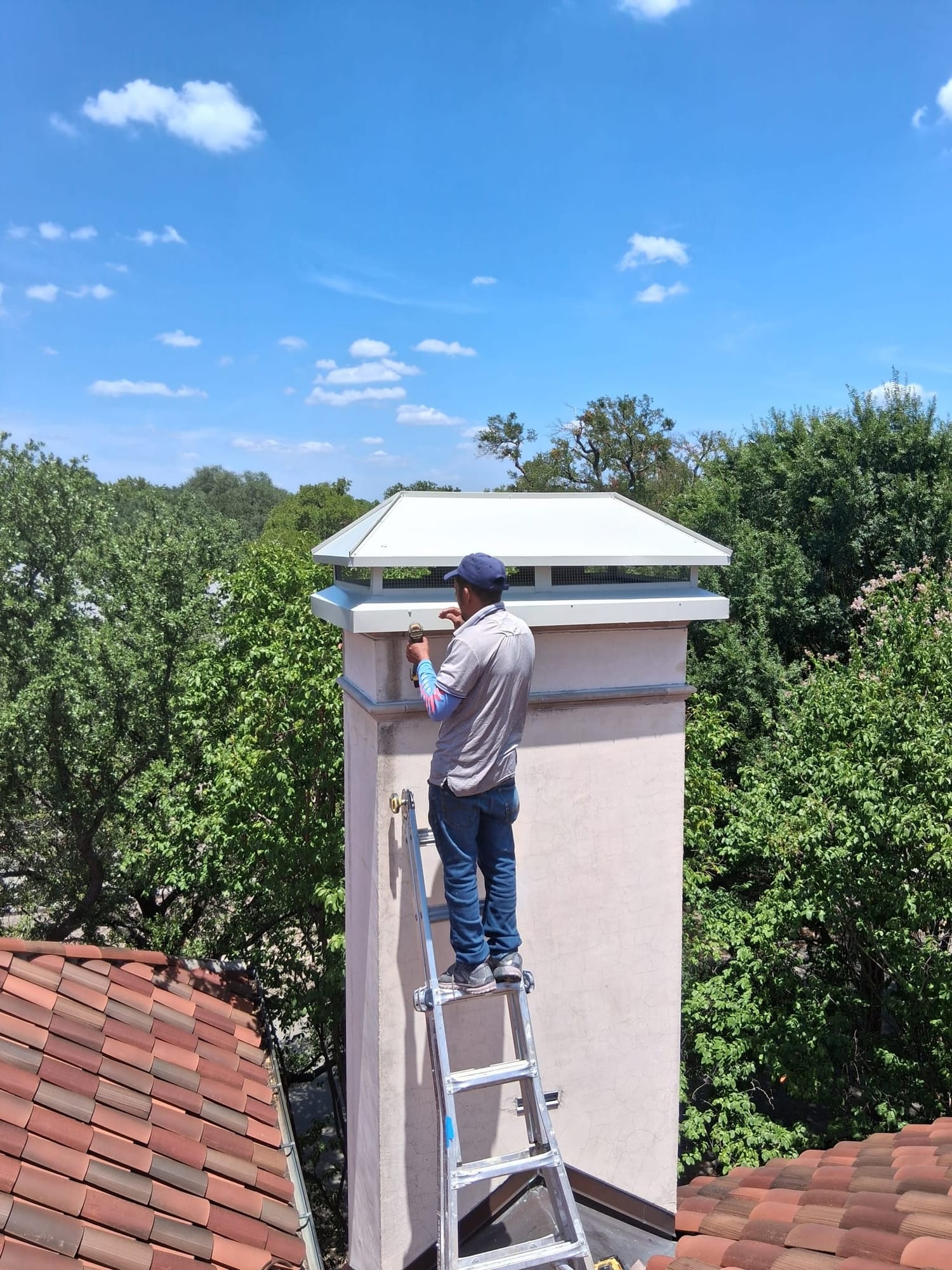
A missing or damaged chimney cap is often the reason all of this gets in. Without a good cap, your flue is wide open to rain, critters, and yard debris. I have pulled out some truly surprising things from uncapped chimneys over the years, and almost every one of them came with a story about a bad smell.
Negative Air Pressure in Your Home
Modern homes here in the metroplex are sealed up tight to keep that cool air in. That is great for your energy bill, but it can create negative pressure indoors. When your air conditioner, kitchen vent, or dryer pulls air out of the house, that air has to come from somewhere, and an open chimney is an easy path. So the house pulls air down the flue, and it brings the chimney smell along for the ride.
What You Can Do About It
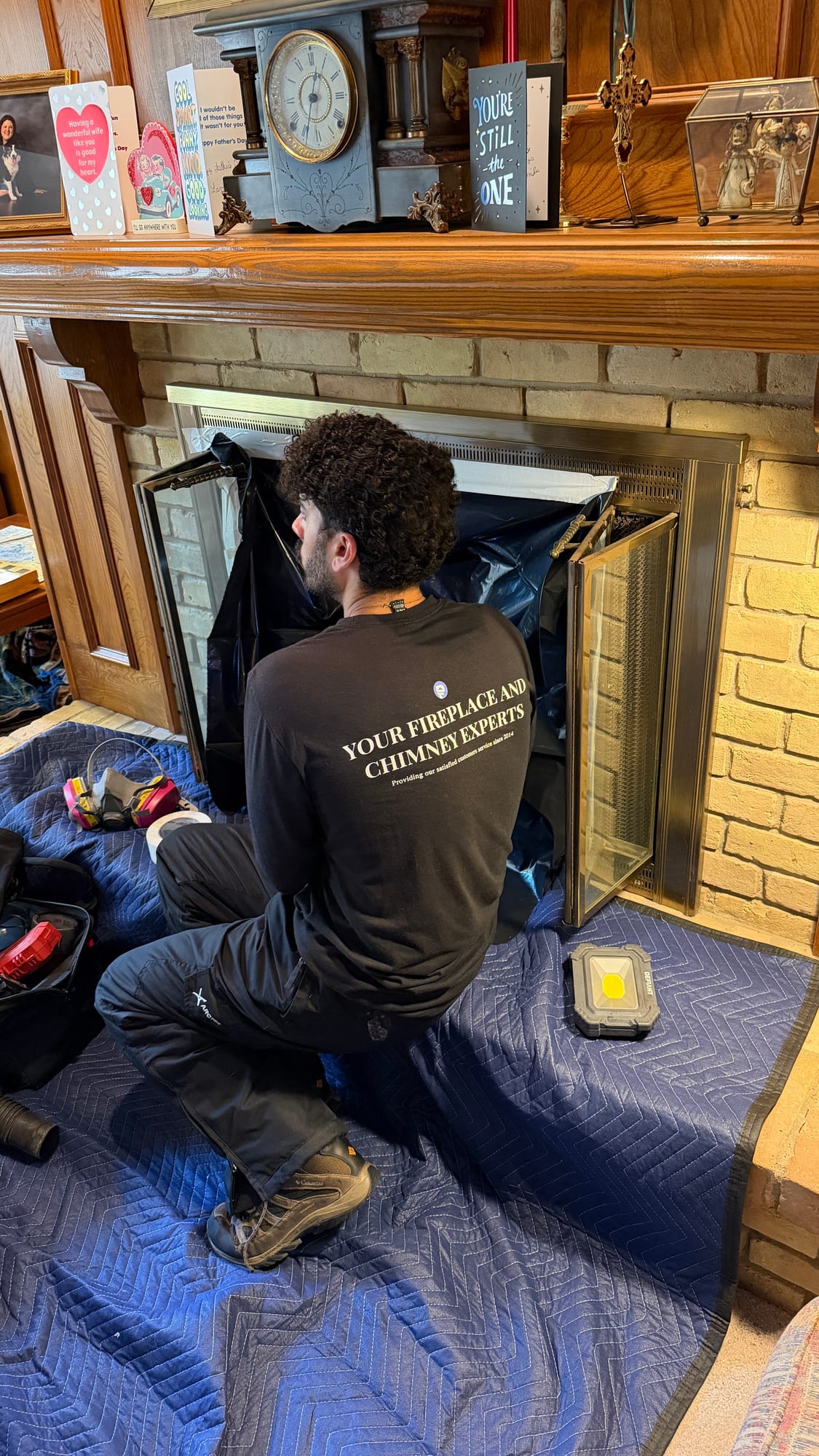
The most reliable fix is to get the source of the smell out of the chimney, and that means a thorough cleaning. A good fireplace cleaning removes the creosote, soot, and any debris that is feeding the odor. Once that buildup is gone, the smell usually goes with it. This is not something a quick sweep with a household brush will handle, because creosote clings hard and needs the right tools to remove fully.
Staying ahead of the problem is even better than reacting to it. Regular fireplace maintenance catches small issues like a worn cap, early creosote buildup, or a critter trying to move in before they turn into a summer-long stink. We usually recommend an annual checkup, and late spring or early summer is a smart time to do it so your chimney is clean going into the humid stretch.
Quick Steps You Can Try at Home
While you wait for a professional visit, there are a few simple things that help. Keep your damper closed when you are not using the fireplace, since an open damper invites that downdraft right in. Set a bowl of baking soda or activated charcoal inside the firebox to soak up some of the odor. Crack a nearby window when the AC is running hard to ease the negative pressure that pulls air down the flue. These are not permanent fixes, but they take the edge off until the real cleaning happens.
When to Call a Pro
If you have tried airing things out and the smell keeps coming back, that is your chimney telling you it needs attention. A persistent odor usually means there is enough buildup or moisture up there that home remedies just cannot reach. There is no reason to live with that smell drifting through your house all summer, and a single visit often takes care of it for good.
If your fireplace has been bothering you on these hot days, reach out and schedule a visit with our team so we can find the source and clear it out. Your nose, and your guests, will thank you.