Why an Uncapped Chimney Flue Invites Birds and Squirrels
 IdanAugust 17, 20264 mins
On this page
If you have been hearing scratching above the firebox, or a flutter that starts right around sunrise, you are not imagining it. Chimneys make excellent homes. They are dry, they are sheltered, they are lined with rough brick or clay that a bird or a squirrel can grip, and from the outside they look like a hollow tree. Every year I climb roofs in Lakewood, Kessler Park and Preston Hollow and find nests packed down inside flues that the homeowner assumed were empty.
Late summer is the right time to deal with it. Most of the nesting season has run its course, the birds that raised young in your flue this spring are finishing up, and you still have months before you would want a fire. That gap between now and the first genuinely cold night in Dallas is your window.
How to Tell What Moved In
You can usually narrow it down by sound and time of day. Squirrels are loud and clumsy. You will hear scrabbling, claws on clay, and thumping that moves up and down the flue, mostly in the morning and again in the late afternoon. A squirrel that has fallen into the smoke chamber and cannot climb out will scratch frantically at the damper, and that sound is hard to sleep through.
Birds are lighter and more constant. Chimney swifts in particular are a Dallas regular, and they sound like a soft chittering that swells when the adults return to feed. Swifts do not build the messy stick nests you might picture. They glue a small half cup of twigs to the flue wall with saliva. Other birds, starlings especially, will drop armloads of debris down the chimney until it piles up on the damper shelf.
Then there is the smell. Anything that dies in a flue in a Dallas August will let you know within a day or two, and the humidity makes it worse. If you have been fighting an odor coming out of the firebox and cannot place it, we walked through the usual suspects in why your fireplace smells bad in summer, and animals are near the top of that list.
A Note on Swifts
Chimney swifts are protected under federal law. If they are actively nesting in your flue, nobody can legally remove them, us included. What we can do is confirm what you have, wait for the young to fledge (usually finished by late summer, which is another reason this is the season to call), then clean the flue and cap it so next spring's birds go find a real hollow tree instead.
Why a Nest in the Flue Is Not Just a Nuisance
The obvious problem is blockage. A pile of twigs, droppings and dried grass sitting on the damper or wedged into the flue is a plug, and a plug means smoke and carbon monoxide come back into your living room instead of going up. I have seen homeowners light the season's first fire in November, get a room full of smoke in ninety seconds, and have no idea why.
Nesting material is also extremely dry and extremely flammable. It sits in the exact part of the chimney where temperatures climb the fastest. Add creosote left over from previous seasons and you have a genuinely dangerous combination sitting a few feet above your head.
Droppings bring their own trouble. They hold moisture against masonry, they accelerate deterioration of the flue liner, and bird droppings can carry histoplasmosis spores. That is not something to sweep out yourself with a shop vac and a bandana. A proper chimney sweep uses containment and negative air pressure so the mess ends up in the truck rather than on your rug.
The Cap Is the Actual Fix
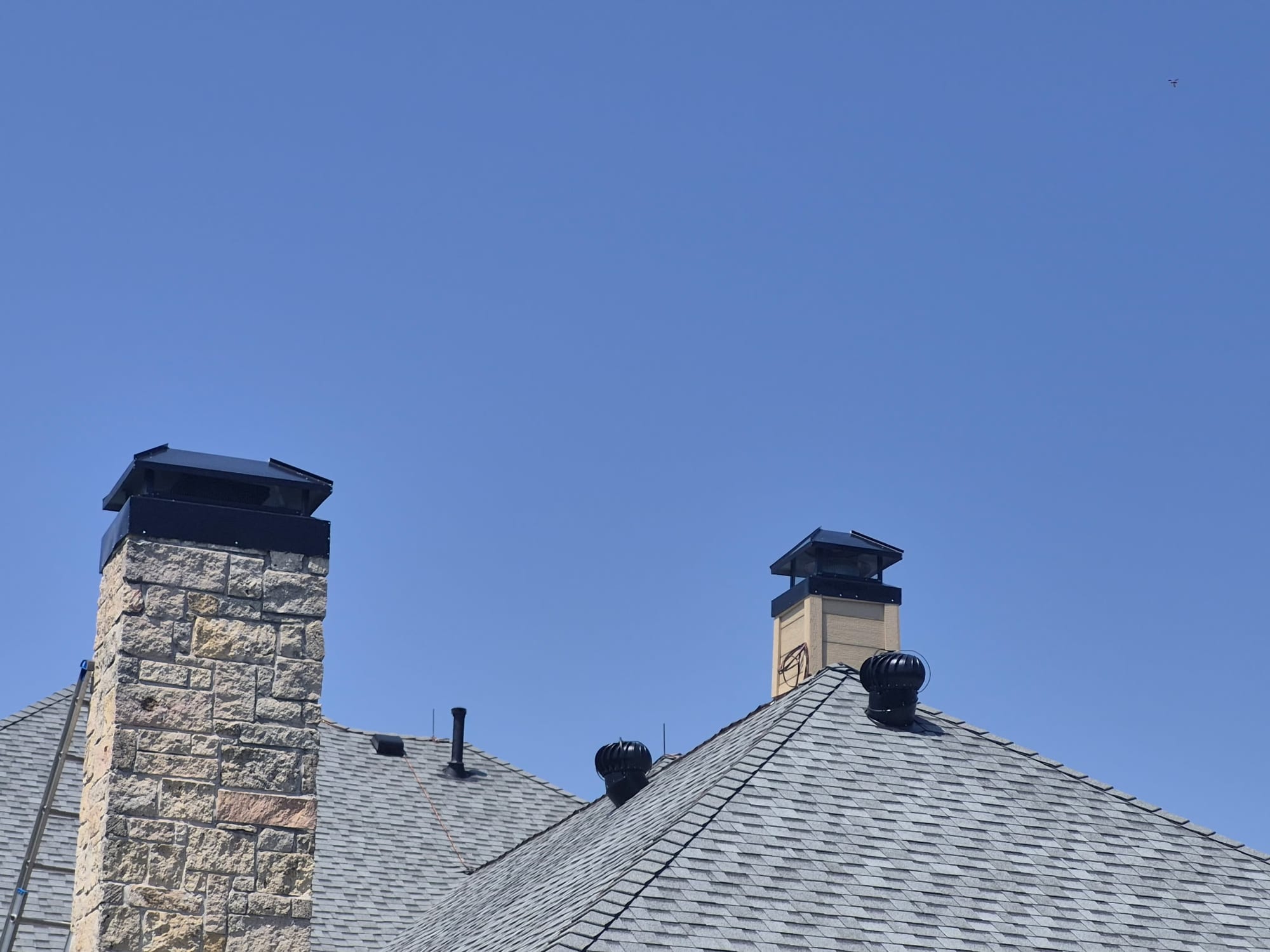
Cleaning the flue solves this year. A cap solves it permanently. A good stainless steel cap does three jobs at once: the mesh screen keeps animals out, the lid keeps rain out, and the whole assembly helps stop downdrafts that push cold air and odor into the house.
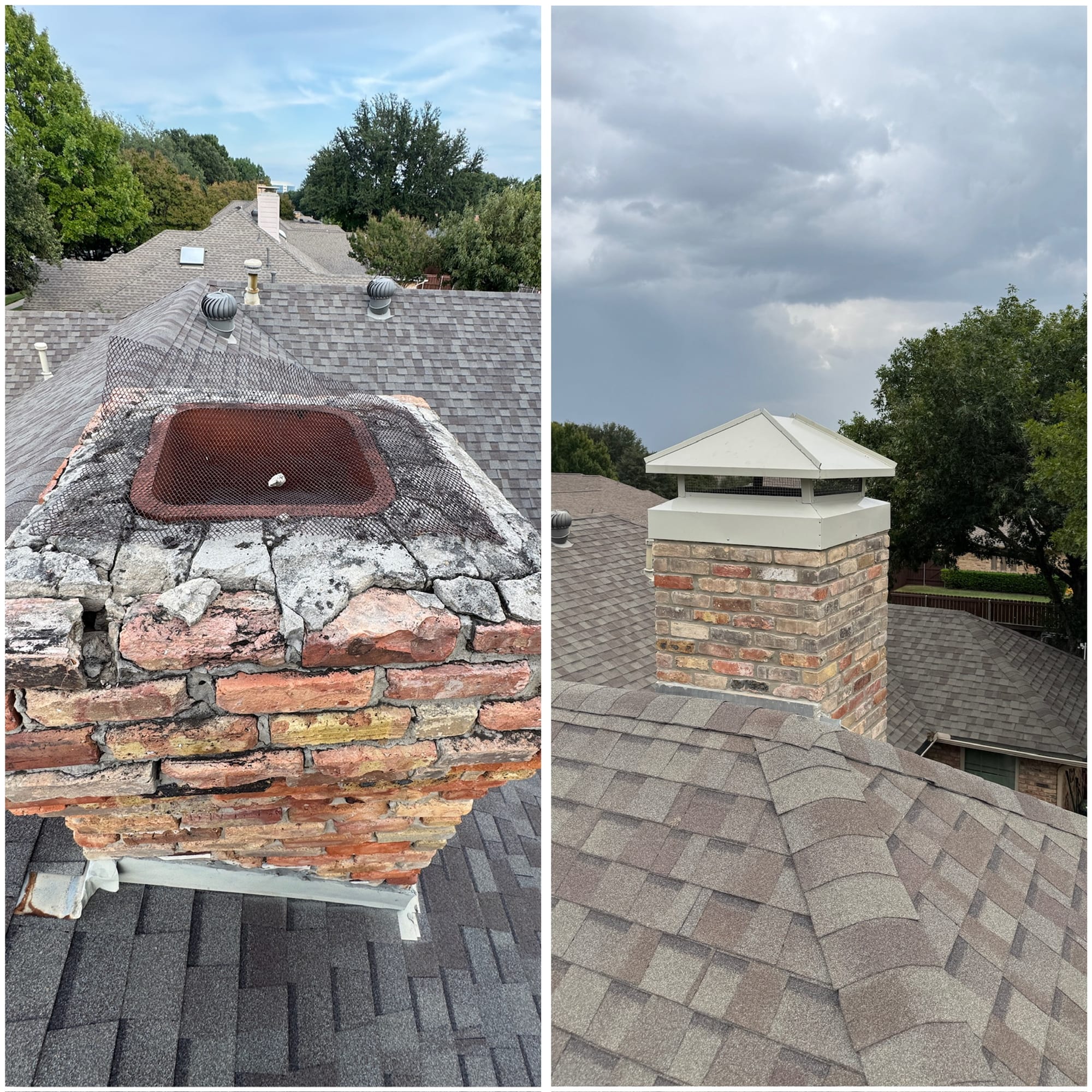
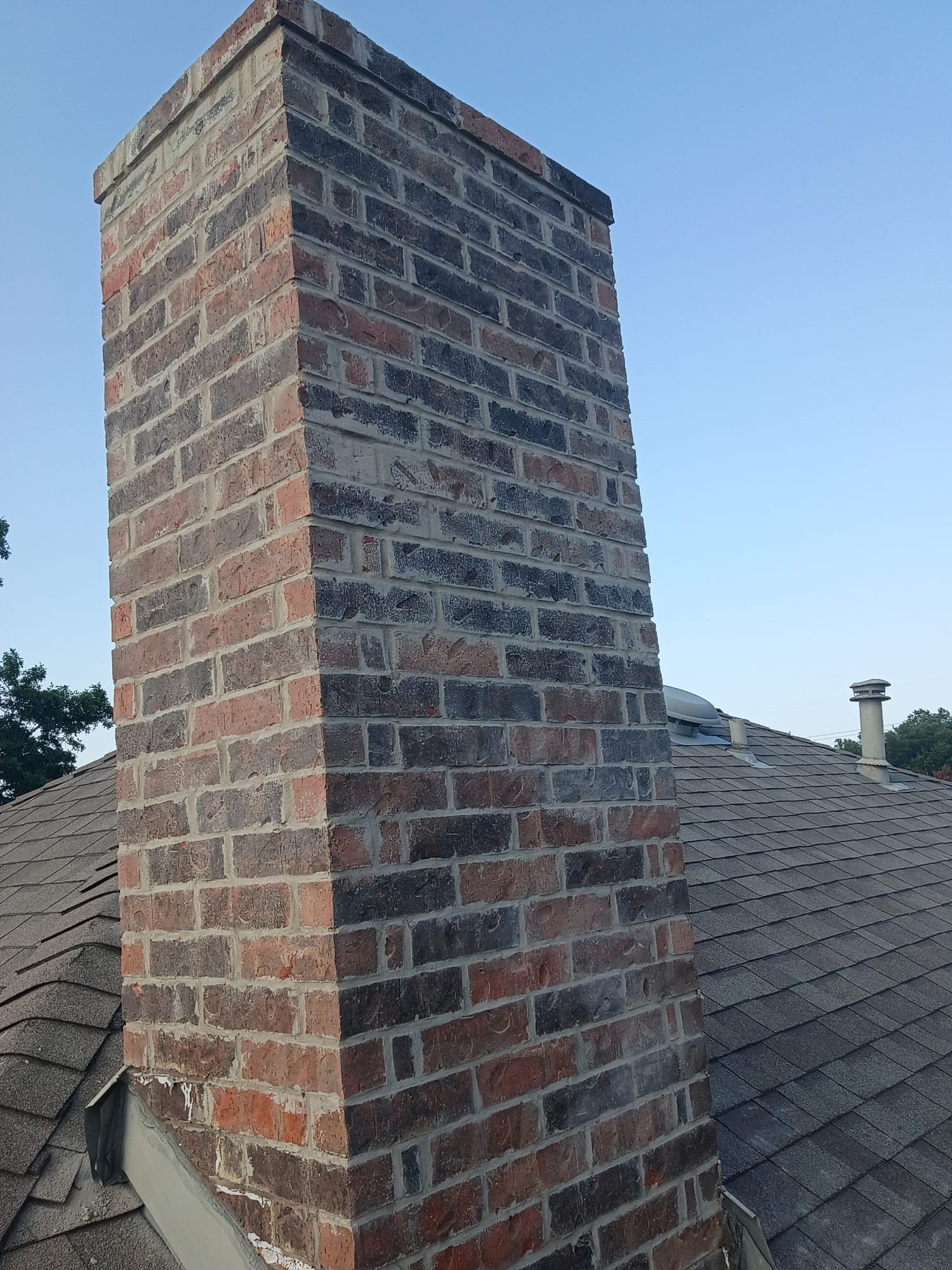
Most homes I look at in Dallas either have no cap or have one that has quietly failed. Mesh rusts through. Screws back out. A cheap galvanized cap installed fifteen years ago can look fine from the driveway and be wide open on the back side. Squirrels are patient and their teeth are better than the metal on a bargain cap. Choosing the right chimney cap for your flue size and crown condition matters more than most homeowners realize, and I would rather install one good cap than replace three bad ones.
If yours is more than a few years old, it is worth reading about the chimney cap problems most homeowners miss before you decide it is fine.
Do Not Try to Smoke Them Out
I say this every year. Lighting a fire to drive animals out of a flue does not work the way people hope. Adult birds fly, but nestlings and trapped squirrels cannot, and now you have a fire burning under a blockage. Do not pour anything down the chimney either. Open the damper only after you know what is behind it.
Book Ahead of the Fall Rush
Between now and Thanksgiving, chimney work in Dallas goes from quiet to booked solid, usually the week of the first real cold front. Right now you can pick your day. In October you take whatever is open. If you have heard something up there, or you simply have not looked at your cap since you bought the house, the sensible move is to schedule a Dallas chimney inspection while the calendar is still open. We will tell you what is living in there, get it cleaned out properly, and cap it so this is the last summer you have to wonder.
Common questions
Chimney swifts are protected under the federal Migratory Bird Treaty Act, so an active nest with eggs or young cannot legally be removed, even by a licensed company. You have to wait until the young fledge, which typically finishes by late summer. Once the flue is empty, the nest material can be cleaned out and a cap installed to prevent birds from returning the following spring.
For most single flue homes, a stainless steel cap installed usually runs somewhere in the low to mid hundreds of dollars, and multi flue or custom crown covers cost more. Price depends on flue size, whether the crown needs repair first, roof pitch and access. Cleaning out an existing nest is a separate charge. Any honest number comes after someone actually looks at your chimney and measures the flue.
Yes. Nesting material is dry twigs, grass and droppings packed into the hottest part of the chimney, and it ignites easily. It also blocks the flue, which pushes smoke and carbon monoxide back into the house instead of up and out. If any of that debris combines with existing creosote on the flue walls, the fire risk goes up significantly. Never light a fire to drive animals out.
You will smell it quickly, especially in Texas heat and humidity, and the odor can linger for weeks if the carcass is not removed. The remains usually land on the damper shelf or in the smoke chamber and need to be taken out physically, then the area cleaned and deodorized. Droppings and nesting material left behind hold moisture against the masonry and can carry spores, so full removal matters more than masking the smell.