Chimney Inspection Levels 1, 2 and 3 Explained

On this page
Every fall I get the same question from Dallas homeowners, usually right after somebody has read a home inspector's report or gotten a quote that says "Level 2" on it. What does that number actually mean? Is a higher number worse? Am I being upsold?
Fair questions. The levels come from a national standard (NFPA 211), and they exist so that every chimney professional in the country means the same thing when they say what they looked at. They are not grades of quality. A Level 1 is not the cheap version and a Level 3 is not the deluxe package. They describe how deep we go, and the situation decides which one you need.
Level 1: The Routine Annual Look
A Level 1 inspection is what most Dallas homes need most years. You have burned in your fireplace, nothing has changed about the appliance or the fuel, and you have no reason to suspect a problem. We come out, look at the readily accessible parts of the chimney and the fireplace, and verify two things: that the structure is sound and that the flue is clear of obstruction and combustible deposits.
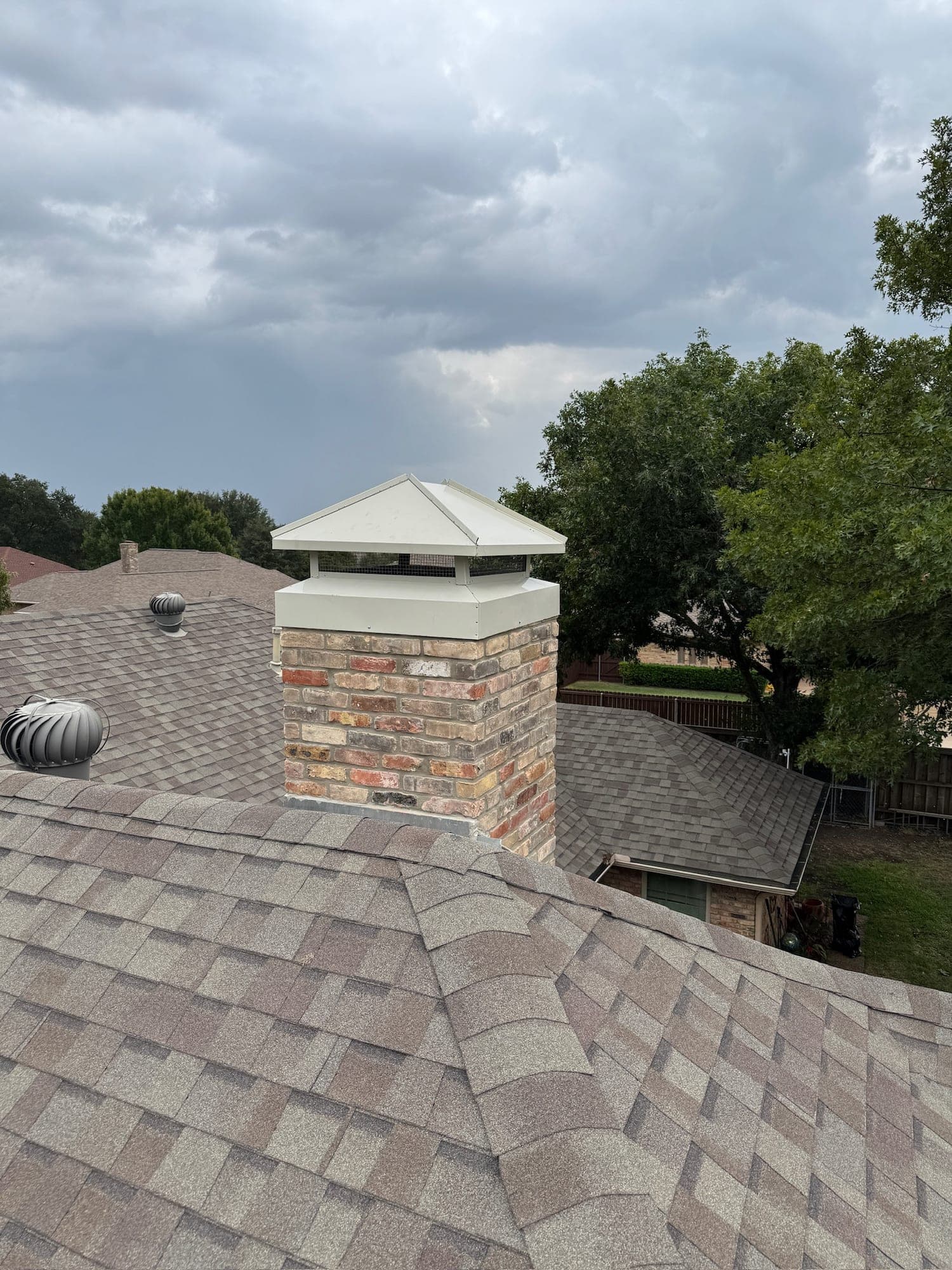
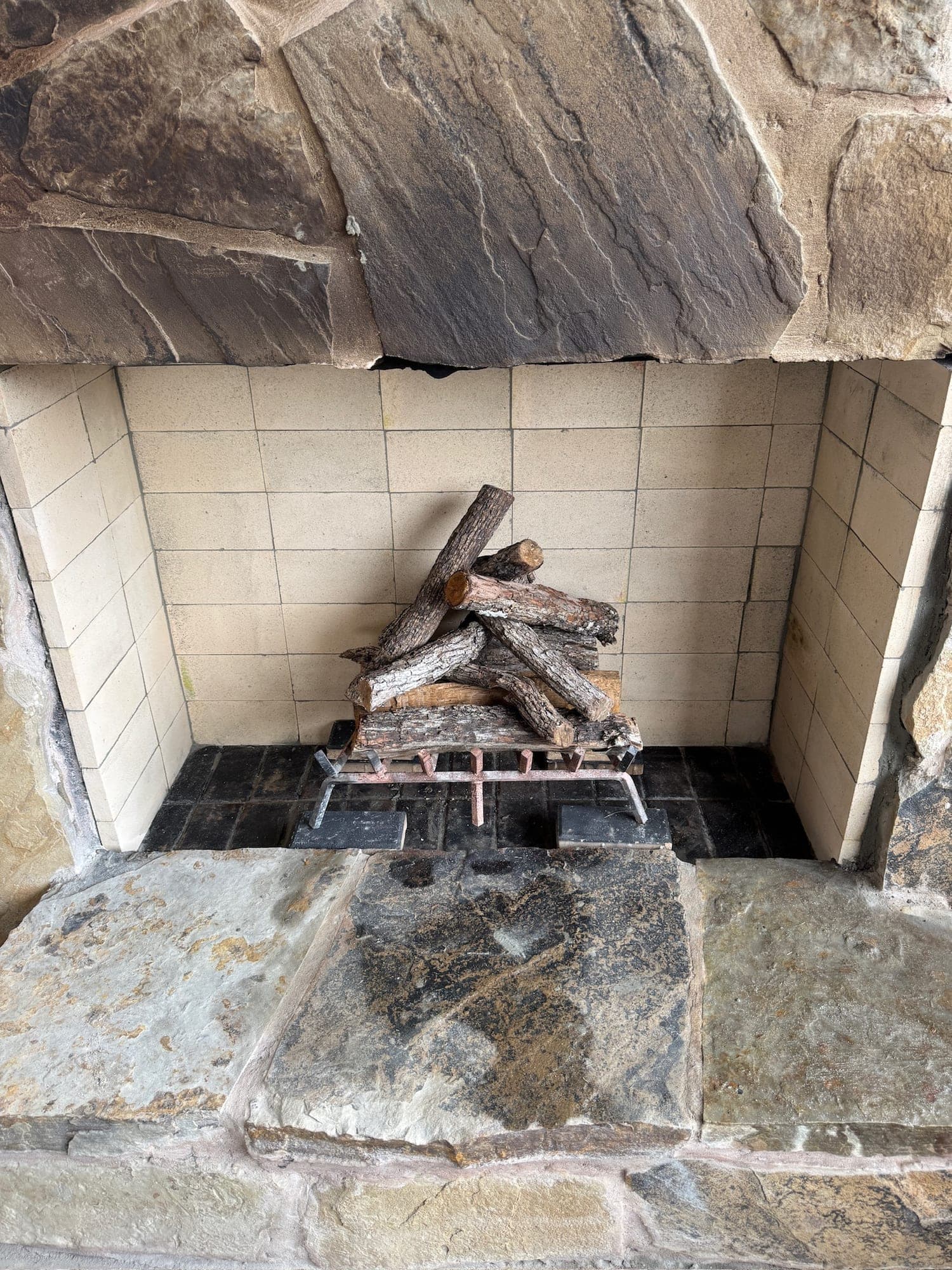
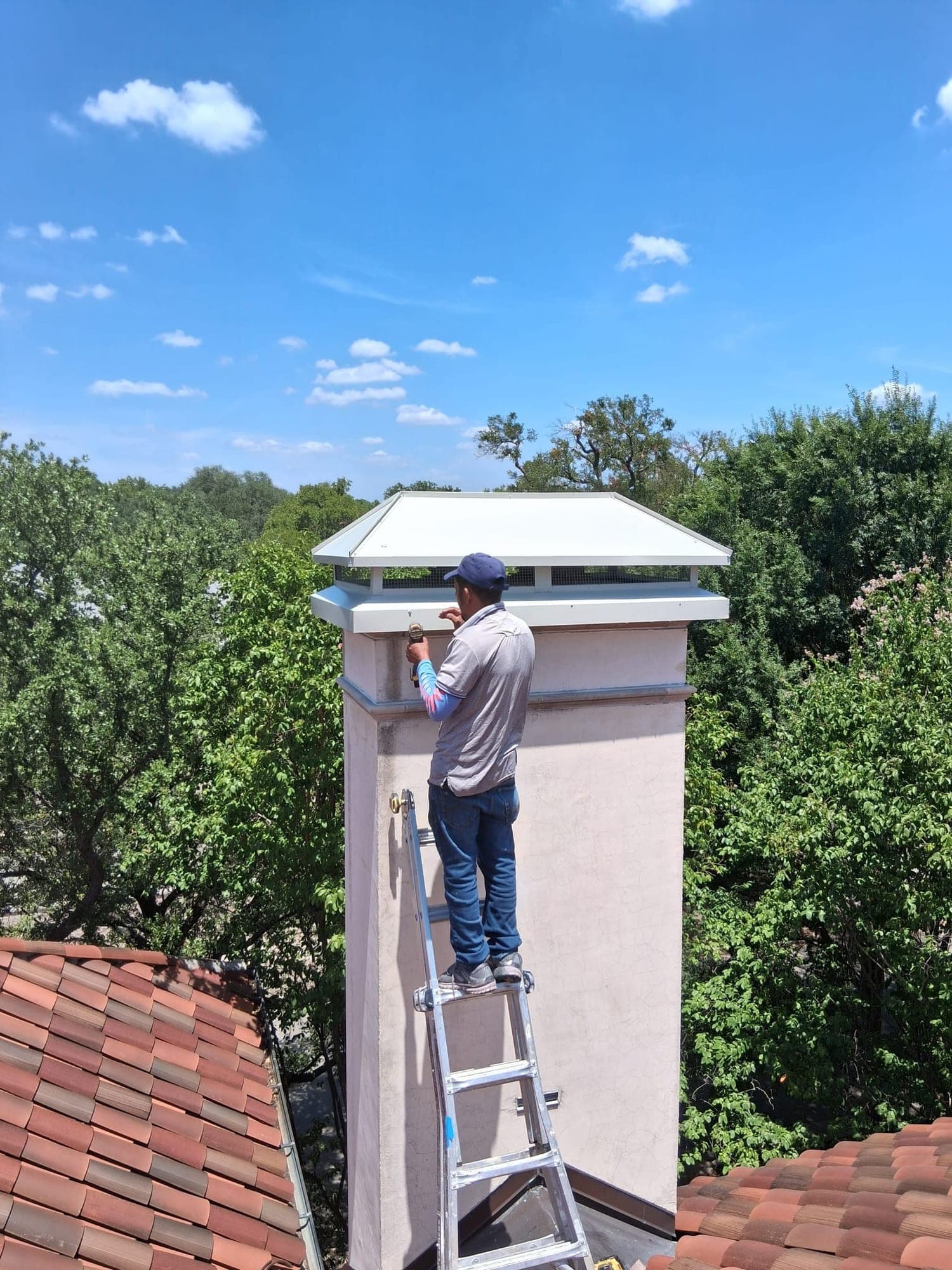
That means the firebox, the damper, the smoke chamber as far as we can see it, the visible portion of the flue, the hearth and the surround, plus the exterior: crown, cap, flashing, mortar joints, the chase if you have a prefab. We check clearances to combustibles where they are visible. We look for water staining on the ceiling near the chimney, which in older Lakewood and Swiss Avenue homes is often the first hint that the crown has given up.
Readily accessible is the key phrase. On a Level 1 we do not pull panels, remove masonry, or dismantle anything. We use lights, mirrors, and a camera where the flue allows it. We wrote about what a professional chimney sweep actually does if you are curious how the cleaning fits alongside the inspection.
Level 2: When Something Has Changed
A Level 2 is required, not optional, in a handful of specific situations. Selling or buying a house. Changing the fuel type, say converting a wood burner to gas logs. Adding or replacing an insert or a stove. Relining the flue. After any event that could have damaged the chimney: a chimney fire, a lightning strike, an earthquake, a car into the corner of the house, or a serious wind event.
Everything in a Level 1 is included, and then we go further. We access attics, crawlspaces and basements where the chimney passes through. Most importantly, we run a video scan of the entire flue interior, top to bottom. That camera is the part homeowners find most convincing, because it shows the things nobody can see from the firebox: a cracked clay tile, a gap in a mortar joint between liners, a section of flue that has shifted, an offset packed with debris. None of that involves tearing anything up. We remove accessible doors, panels and coverings, and that is it.
Why real estate transactions need one
A general home inspector does a visual look at the fireplace and moves on. That is not a chimney inspection, and their report usually says so. If you are closing on a 1920s home off Greenville or a mid century place in Preston Hollow, a Level 2 is what tells you whether the flue liner is intact before you own it. I have scanned flues that looked perfect from below and were cracked through in three places above the roofline. That is a repair worth knowing about while you still have negotiating room.
Level 3: Opening Things Up
Level 3 is uncommon, and I would rather explain it clearly than have anyone worry about it. It is what we recommend when a Level 1 or Level 2 turns up a suspected serious hazard that cannot be confirmed without removing part of the structure. That could mean taking out a section of the chimney crown, a chase cover, or interior wall material to reach a concealed area.
Real examples: a chimney fire where we can see damage at the top of the flue and need to know how far down it goes. A carbon monoxide problem in the house with no visible cause in the flue, which is a scenario we walked through in our post on whether your fireplace could be leaking carbon monoxide. Level 3 always comes with the owner's consent, and it always follows a lesser inspection first. Nobody starts at Level 3.
Which One Do You Need in Dallas?
If you burn a few times a winter, nothing has changed, and nothing seems wrong, book the annual chimney inspection at Level 1 and let the technician tell you if he needs to see more. If you are closing on a house, changing fuel, adding an insert, or you had a fire or a storm event, plan on a Level 2 from the start. A dedicated fireplace inspection makes sense too when the complaint is at the appliance end: smoking, odors, a burner that will not stay lit.
Honest answer on cost: a Level 1 in Dallas usually falls in the low hundreds, a Level 2 runs higher because of the camera work and the time, and a Level 3 is priced by the scope of what has to be opened. Ask for the level and the price together so you know what you are comparing.
September and October are when our schedule tightens up, so if you want a slot before the first cold front, now is the time to book a chimney inspection in Dallas and get it behind you.
Common questions
A Level 2 inspection generally costs more than a routine annual inspection because it includes a full interior video scan of the flue plus access to attics and crawlspaces where the chimney passes through. In the Dallas market expect a range from roughly the mid hundreds to the high hundreds depending on the height of the chimney, the number of flues, and roof access. Always ask whether the video scan and a written report are included in the quoted figure.
Yes, and specifically a Level 2. A general home inspector does a brief visual check of the firebox and notes it as outside their scope. A Level 2 includes a camera scan of the entire flue interior, which is the only way to confirm the liner is intact. Cracked clay tiles and open mortar joints are invisible from the firebox and are common in older Dallas homes, so finding them before closing matters.
No. A sweep is the cleaning: removing soot, creosote and debris from the flue and firebox. An inspection is the evaluation: checking the structure, the liner, the damper, clearances to combustibles and the exterior for defects. Most companies perform both on the same visit, and a technician often needs the flue swept before he can properly see and assess its condition. They are separate services with separate purposes.
After any chimney fire the standard calls for a Level 2 inspection first, including a full video scan of the flue. That usually reveals the extent of the damage. A Level 3 only becomes necessary if the scan suggests a serious hazard in a concealed area that cannot be confirmed without removing part of the structure, such as a section of crown or interior wall. Level 3 always requires the owner's permission.