How Often Should You Really Get Your Chimney Inspected in Texas?

 ArinJune 9, 20265 mins
On this page
If you have ever stood in your living room on a cool DFW evening, looked at your fireplace, and wondered when it was last checked, you are not alone. I get this question all the time from homeowners across the metroplex. The short answer is that you should have your chimney inspected once a year. The longer answer, and the one that actually helps you, depends on how you use your fireplace and what kind of system you have.
Let me walk you through it the way I would if I were standing in your driveway with my gear.
The Once a Year Rule Still Holds in Texas
The national recommendation, backed by fire safety groups, is an annual inspection for every chimney and venting system. That holds true here in Texas, even though our winters are milder than what folks up north deal with. People assume that because we only light a few fires a season, the chimney can wait. That thinking gets folks into trouble.
A chimney is exposed to the weather all year long whether you burn wood or not. Our DFW climate throws a lot at it. We get heavy spring storms, long stretches of brutal summer heat, and the occasional ice event that cracks masonry. All of that wear happens silently. A yearly chimney inspection is how we catch the small stuff before it turns into a four figure repair.
Why the Calendar Matters More Than the Fire Count
I have inspected chimneys that were barely used and still found real problems. Birds build nests in unused flues. Squirrels move in. Water sneaks past a worn crown and rots the mortar from the inside. None of that has anything to do with how many fires you lit. So even if your fireplace sat cold all winter, that annual check is still worth it.
When You Should Inspect More Than Once a Year
Some homes need more attention than the standard once a year visit. If you burn wood regularly, say several nights a week through the cooler months, creosote builds up faster than you might think. Creosote is that dark, tarry buildup that coats the inside of your flue, and it is the leading cause of chimney fires. Heavy burners should think about a mid season check on top of the yearly one.
After Big Weather or a Major Change
DFW weather can do a number on a chimney in a single afternoon. If a strong storm rolls through and you notice loose bricks, a leaning cap, or water stains on the ceiling near the chimney, do not wait for your annual appointment. Get it looked at. The same goes for after an earthquake, however rare those are here, or after any nearby construction that might have shaken things loose.
I also tell people to schedule an inspection whenever something changes with the system. If you just bought a house, you have no idea how the previous owners treated that chimney. If you switched from wood to gas, or added a new insert, the venting needs may be different. A fresh set of eyes on the system gives you peace of mind.
What Actually Happens During an Inspection
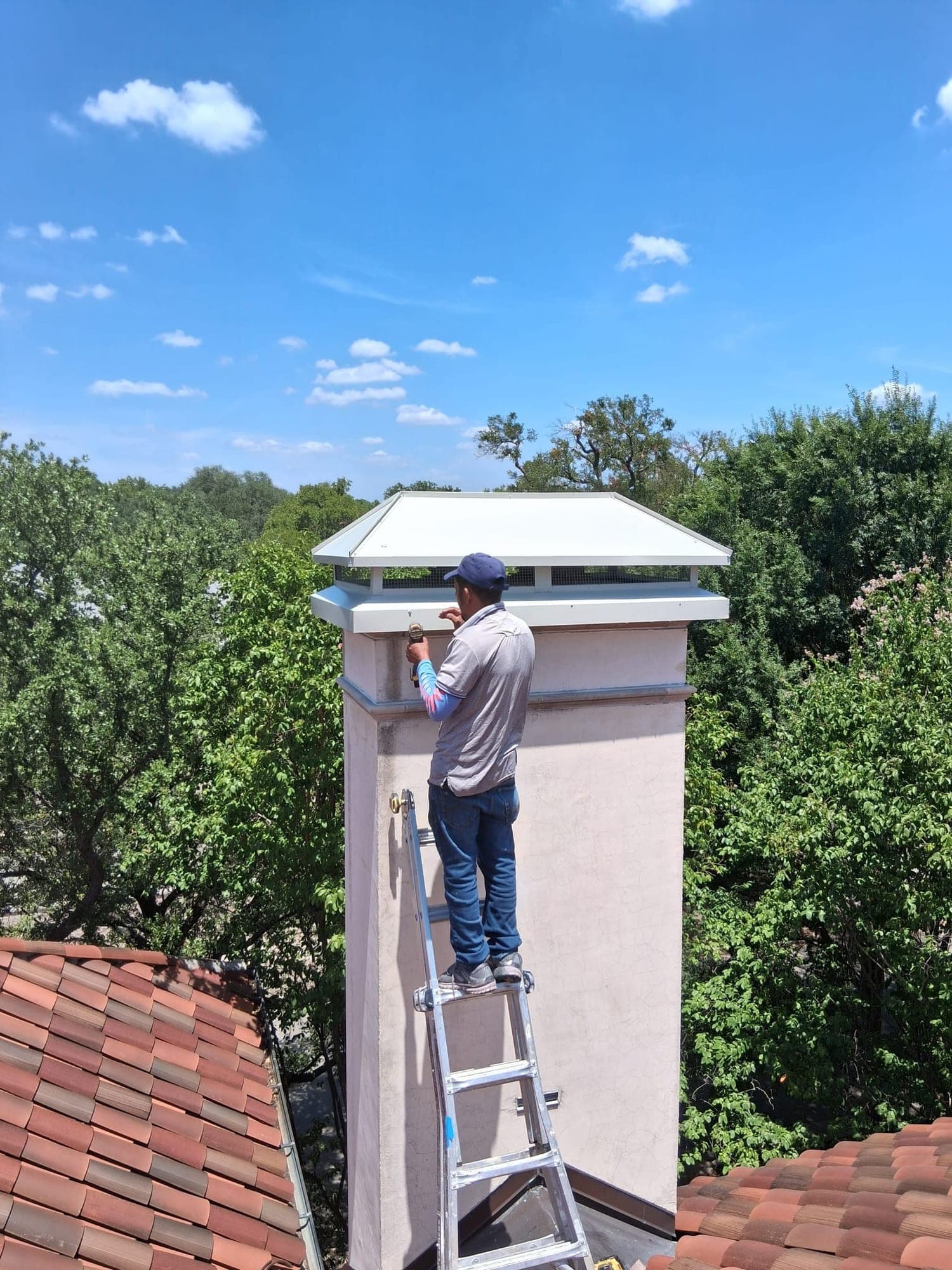
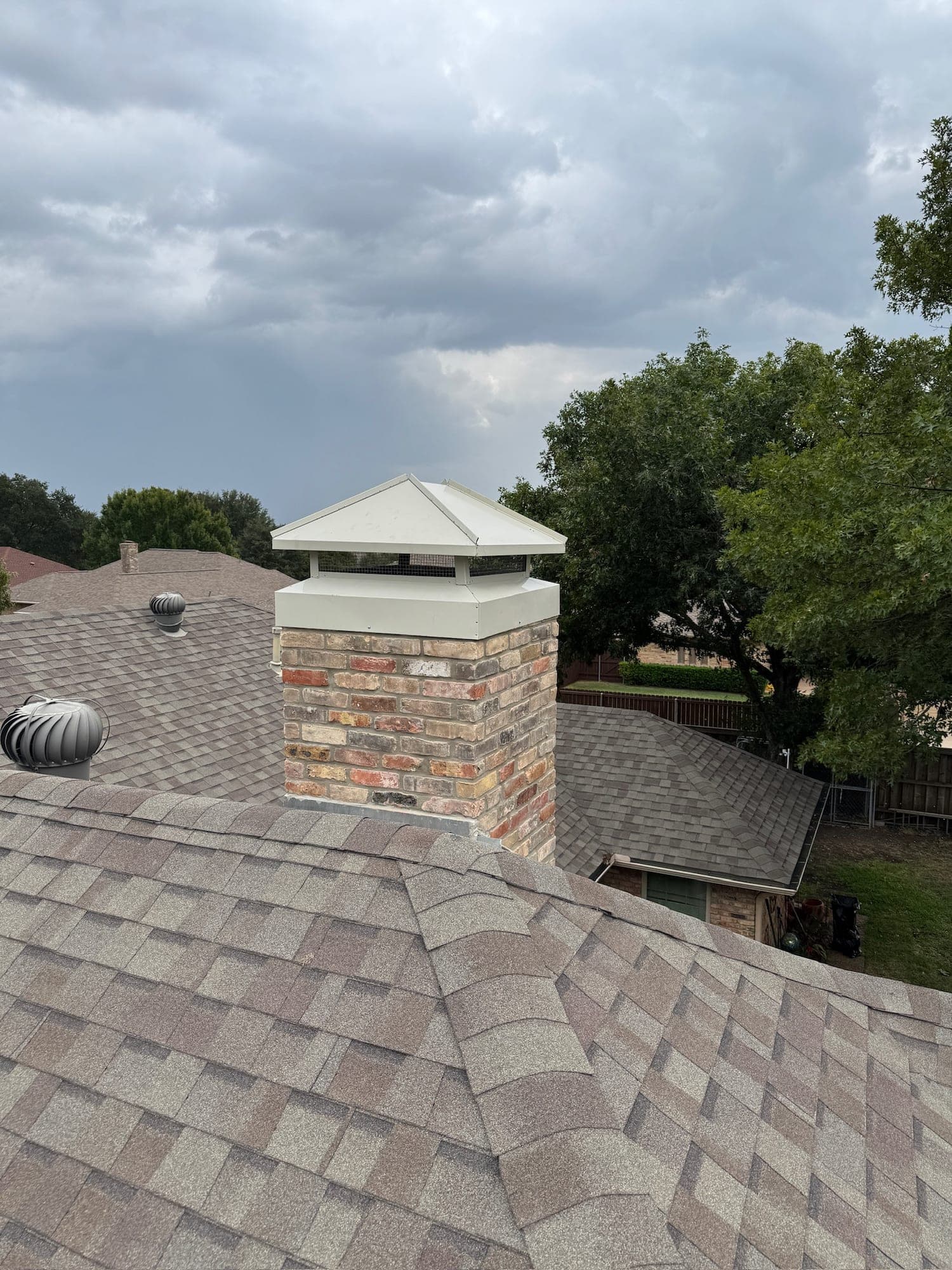
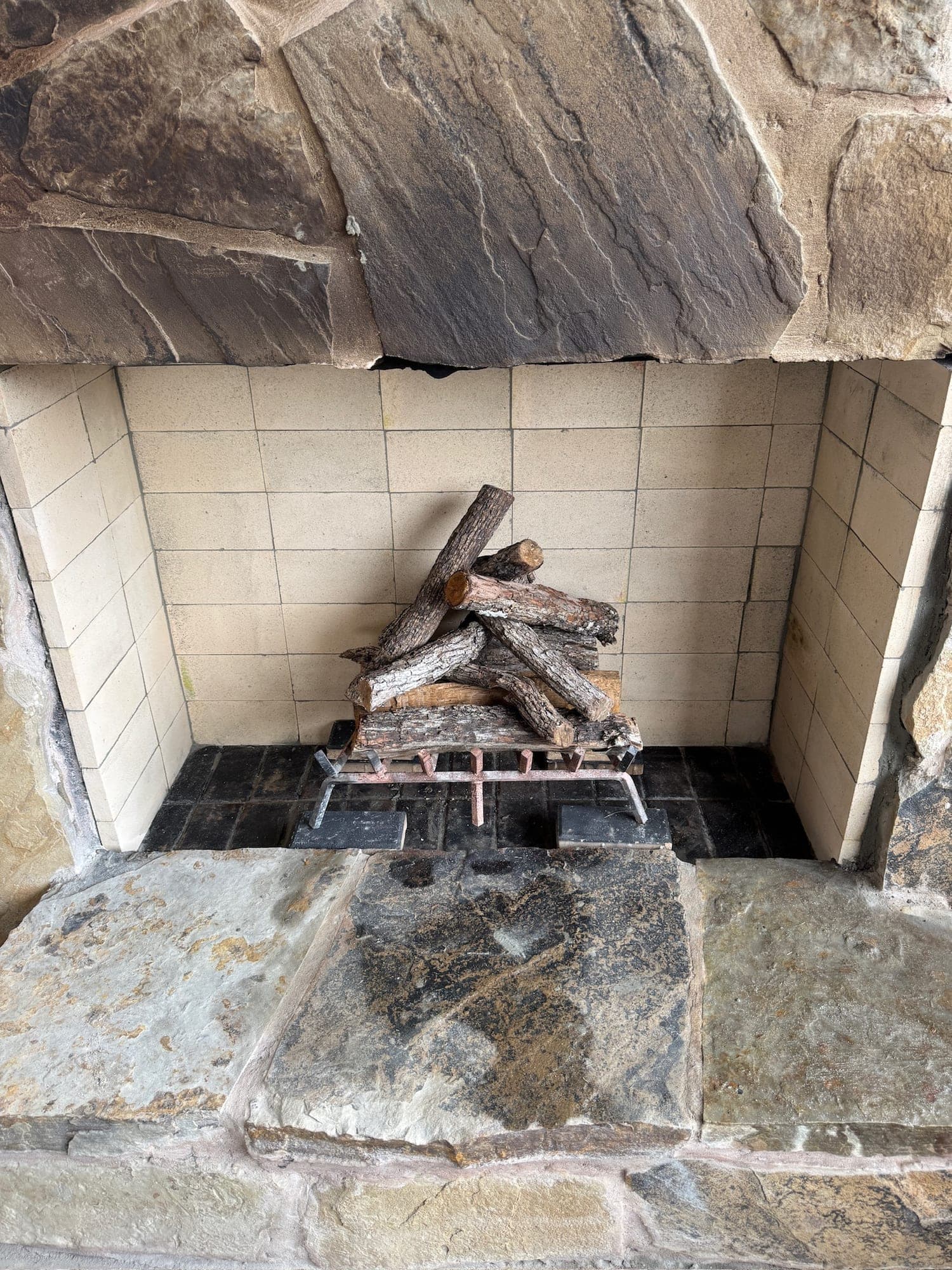
A lot of homeowners picture me shining a flashlight up the flue for thirty seconds and calling it done. A proper inspection is more thorough than that. I check the firebox, the damper, the flue lining, the crown, the cap, and the masonry on the exterior. I look for cracks, gaps in the mortar, signs of moisture, and any blockage from animals or debris.
If I find a heavy layer of creosote or a flue packed with leaves and nesting material, that is where a good chimney sweep comes in. Inspection and cleaning often go hand in hand. The inspection tells us what is going on, and the sweep removes the buildup so your next fire burns safe and clean.
The Three Levels of Inspection
There are three recognized levels of chimney inspection, and knowing the difference helps you understand what you are paying for. A Level 1 inspection covers the readily accessible parts and suits a system that has not changed and gets regular use. A Level 2 inspection goes further, often with a camera run up the flue, and is the right call when you are buying or selling a home or after a major weather event. A Level 3 inspection is the most involved and gets used when we suspect a hidden hazard that requires opening up part of the structure. Most DFW homeowners only ever need a Level 1, and that is a good thing.
The Real Cost of Skipping It
I understand the temptation to put it off. Life is busy, and the chimney is easy to ignore. But a neglected chimney is one of those quiet risks that builds up until it becomes a serious problem. A chimney fire can spread into your attic in minutes. A cracked flue can let carbon monoxide drift back into your living space. These are not scare tactics, they are the things I see in the field.
The good news is that staying ahead of it is simple and affordable. One visit a year, scheduled before you start burning in the fall, keeps your family safe and your fireplace working the way it should. If you are not sure when your chimney was last checked, that is your sign to act. Our team would be glad to take a look, so feel free to reach out to us and schedule your inspection whenever it works for you.
Take care of your chimney, and it will take care of you on those chilly DFW nights.