Chimney Cap or Chase Cover? What's on Top of Yours
 ArinSeptember 21, 20265 mins
On this page
Most folks call everything up there a chimney cap. I get it. You are standing in the driveway looking up at a roofline forty feet away, and whatever metal thing is sitting on top of the chimney is a cap. But there are two very different parts with two very different jobs, and knowing which one you have changes what a repair looks like, what it costs, and how urgent it is when it fails.
With the first real cold fronts still a few weeks out, now is the sensible time to sort this out. Once the weather turns, everybody in Dallas calls at once.
The Short Version
A chimney cap sits on top of the flue. It is the small metal hood, usually with mesh sides, that covers the actual opening where smoke comes out. Its job is keeping rain, birds and embers where they belong.
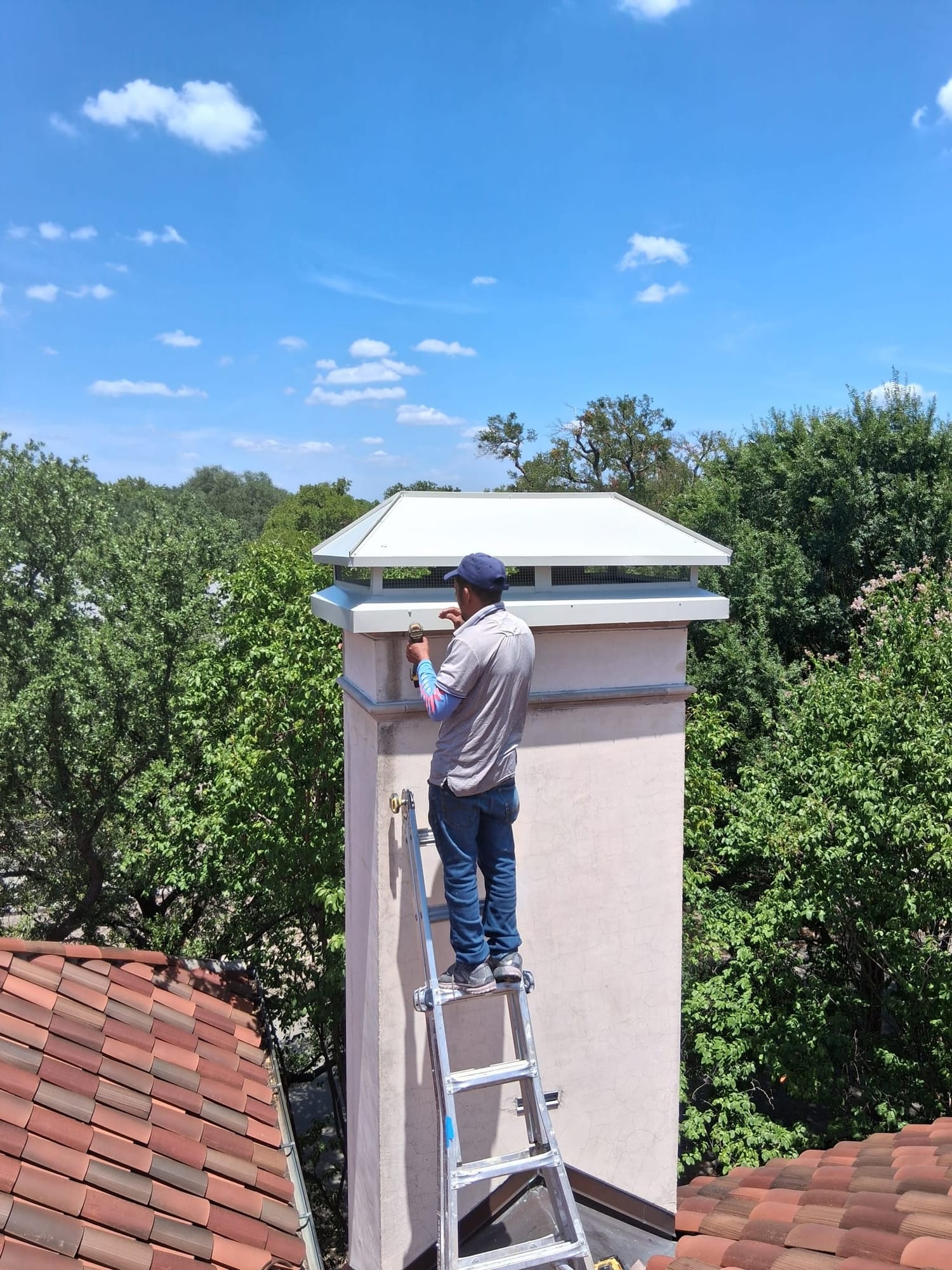
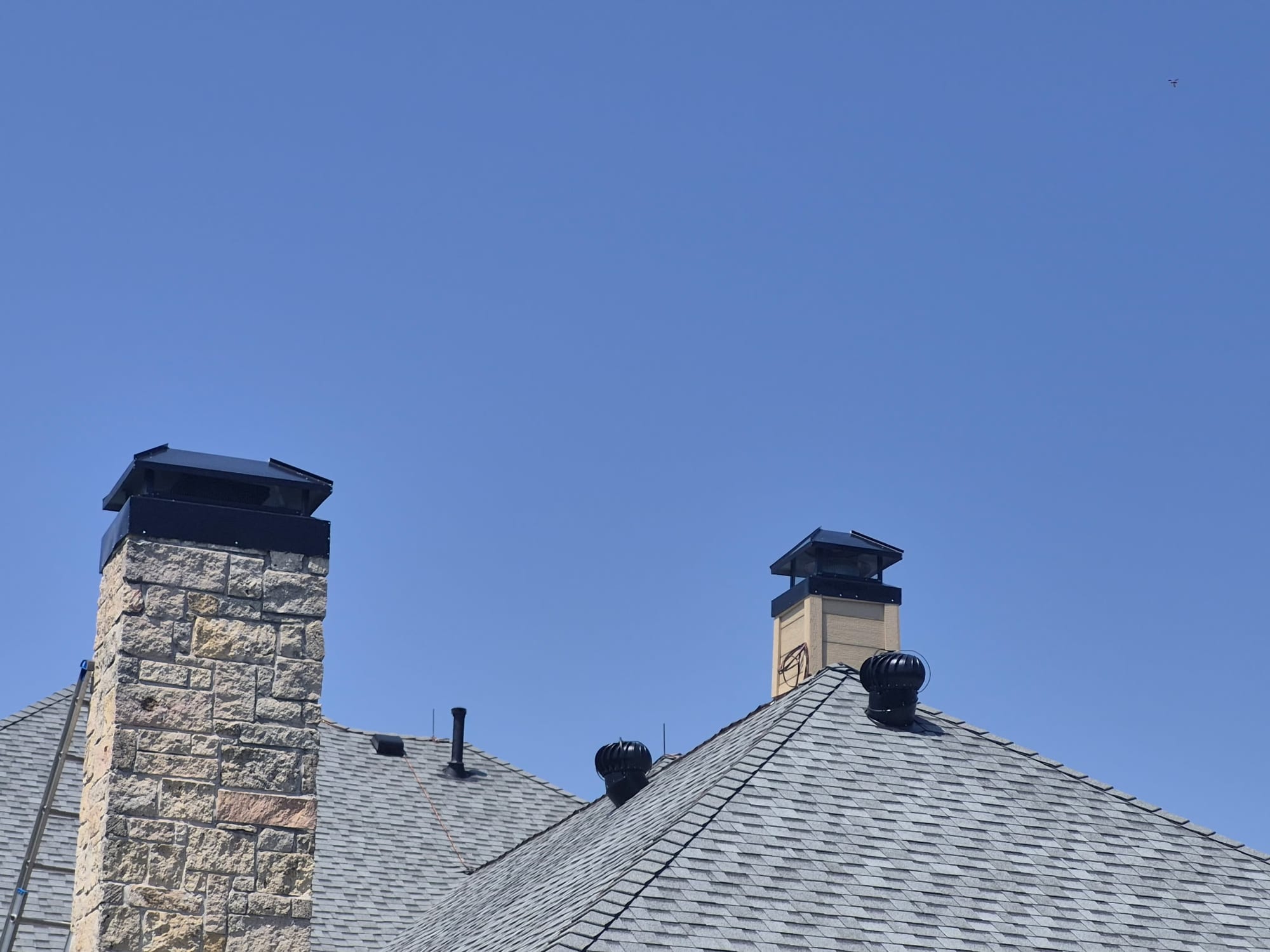
A chase cover is a big flat metal lid that covers the entire top of a framed chimney chase. If your chimney is a wood-framed box wrapped in siding, stucco or a thin brick veneer, that is a chase, and the metal sheet on top of it is the chase cover. The chimney cap then sits on top of the chase cover, over the flue pipe that pokes through it.
So it is not really cap versus chase cover. On a prefab metal fireplace, you have both. On a true masonry chimney, brick all the way up with a mortar crown, you have a cap and no chase cover at all.
How to tell which you have from the ground
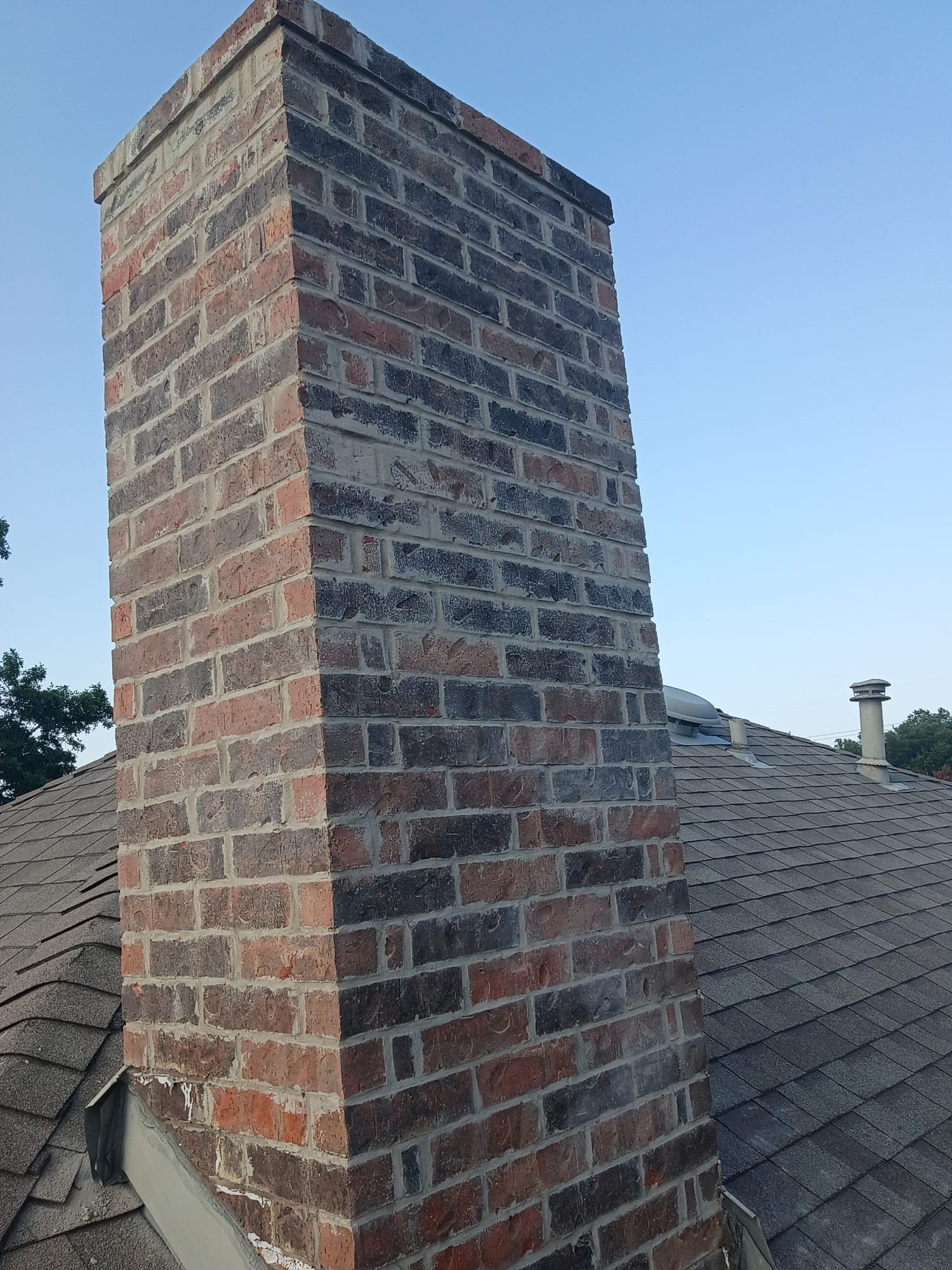
Look at the chimney's shape and material. Solid brick or stone from the roofline up, with a sloped concrete-looking surface at the top? That is masonry, and that sloped surface is the crown. A boxy structure clad in siding or stucco, often narrower than a masonry stack and frequently on homes built from the eighties onward? That is a chase.
Around Lakewood and Swiss Avenue you see a lot of the older masonry construction with original brickwork and crowns that have been patched a few times. Newer builds closer to the 635 corridor lean heavily toward the framed chase. Plenty of Dallas homes have one of each if there was an addition.
Why the Difference Matters So Much
It comes down to what happens when the part fails.
When a chimney cap fails, the flue is exposed. Rain goes straight down the liner. Birds nest in it. Squirrels get in and sometimes cannot get back out, which is a phone call I take more often than you would think. We went into detail about what happens when a flue sits open to wildlife, and it is a mess but usually a contained one.
When a chase cover fails, the water does not go down the flue. It goes into the chase, which is a wooden box. It soaks the framing, the firebox surround, the insulation and eventually your ceiling and wall. By the time you see a stain on the drywall beside the fireplace, that water has been running for a while. A bad chase cover is a structural problem pretending to be a cosmetic one.
The galvanized steel problem
Here is the thing that catches most Dallas homeowners. A huge number of chase covers installed with the original house were galvanized steel. Galvanized steel rusts. Not immediately, but in fifteen or twenty years of our sun, our sideways spring rain and the humidity that sits over the city in July, it absolutely does.
Rust starts in the middle where water pools, because the cover was made flat instead of with a proper crown and drip edge. You get pinholes. Then you get the rust streaks running down the siding, which is the visible symptom everyone notices about two years after the leak started. If you are seeing orange streaks on your chimney chase, water is already getting in.
Stainless steel or copper solves it permanently. A stainless chase cover built with a slight pitch and an overhang that carries water away from the siding will outlast most of the roofs in this city.
What Goes Wrong With Caps
Caps fail in quieter ways. The mesh rusts through or gets crushed. The screws back out and the whole thing lifts in a storm, which is not rare given how hard the wind comes through here in spring. Sometimes a cap was never sized right to begin with and has been rattling loose for years. I have written before about the cap problems that homeowners almost never spot from the ground, and undersized or missing caps are near the top of that list.
A single-flue cap covers one opening. A multi-flue or full-coverage cap spans the whole crown and protects the masonry underneath too, which in older Dallas homes is often the smarter buy because it shields a crown that has already started to craze. Choosing the right style of chimney cap for your flue and crown matters more than the price difference between options.
Getting It Checked Before the Season
Neither part can be judged from the ground. You need somebody on the roof with hands on the metal, pressing the center of a chase cover to feel whether it flexes, checking screw penetrations, looking at the crown underneath a multi-flue cap.
If the inspection turns up rust, a cracked crown or water damage in the chase, that moves into chimney repair work and the sooner it happens the smaller it stays. Water damage never gets cheaper by waiting.
Early autumn is the window. The roof is walkable, the schedule is open, and you are ahead of the rush. If you want someone to take a look before the weather turns, you can schedule a Dallas chimney inspection and find out exactly what is sitting on top of your chimney and how much life it has left.
Common questions
Most chase cover replacements in the Dallas area fall somewhere in the range of a few hundred dollars for a simple stock size up to roughly a thousand or more for a custom fabricated stainless steel or copper cover on a large chase. Price depends on the dimensions, the metal chosen, how many flue openings need to be cut, and roof access. Custom stainless costs more upfront but usually outlasts the homeowner who buys it.
A single flue cap that clamps or screws onto an exposed clay tile is within reach for a confident homeowner, but the real risk is the roof, not the cap. Steep pitches, hot composition shingles and a forty foot drop send people to the emergency room every year. Sizing also matters. A cap that is slightly too small will lift in high wind, and one that restricts the flue opening can hurt draft.
Those orange streaks almost always come from a galvanized steel chase cover that has begun to corrode. Water pools in the middle of a flat cover, the zinc coating wears through, and rust bleeds over the edge and down the siding or stucco. The staining is cosmetic, but it signals that the cover is thinning and may already have pinholes letting water into the wood framed chase below.
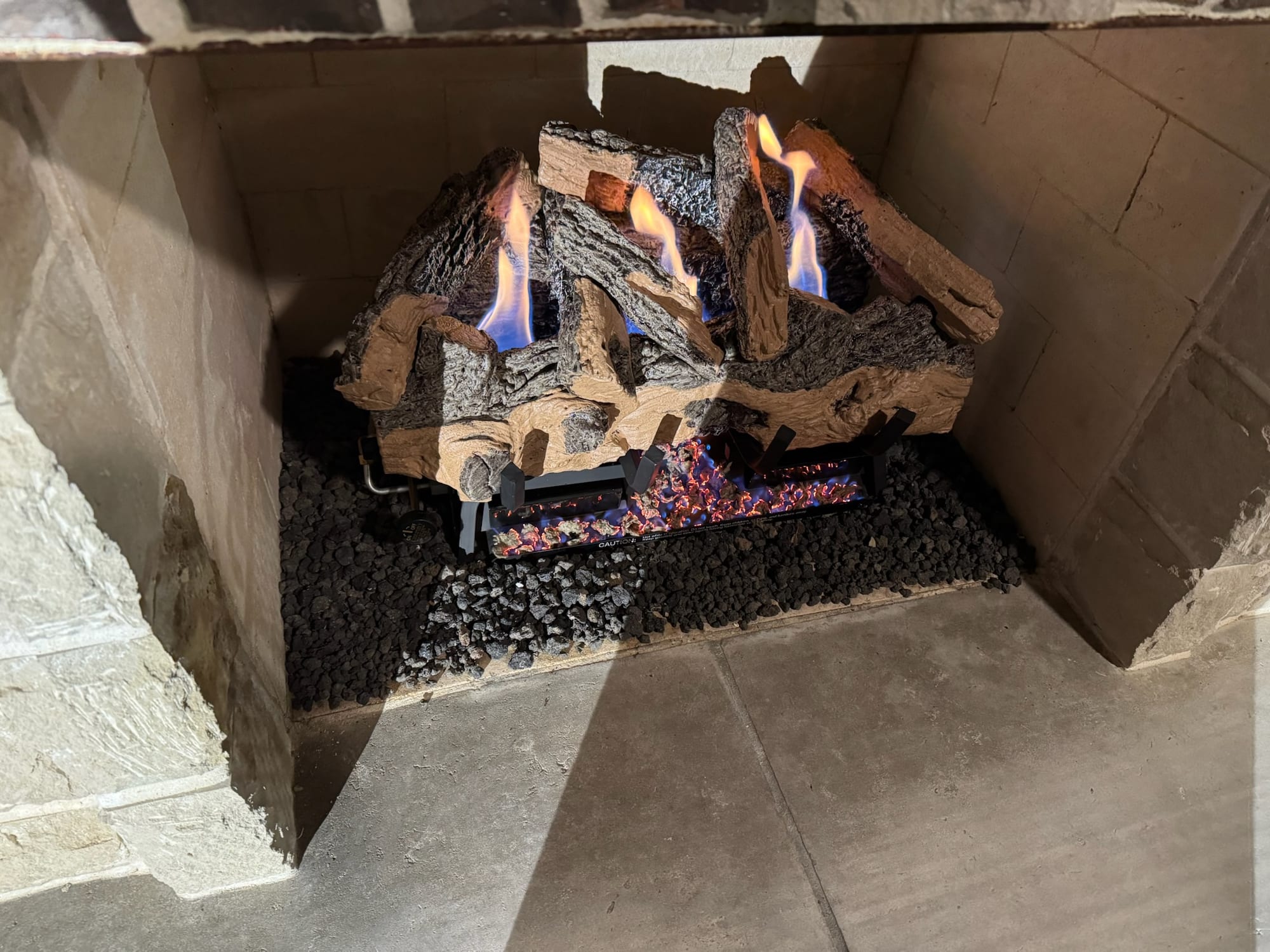
Yes. A gas appliance still vents through a flue that is open to the sky, so rain, leaves, birds and squirrels can all get in. Moisture is arguably worse for gas systems because water sitting on a metal flue pipe or in a firebox causes rust and can corrode the vent connections. An open flue also lets debris block the vent, which creates a genuine combustion safety problem.