
The pilot will not stay lit
Commonly the thermocouple or thermopile, sometimes the pilot assembly itself. Both are serviceable parts.
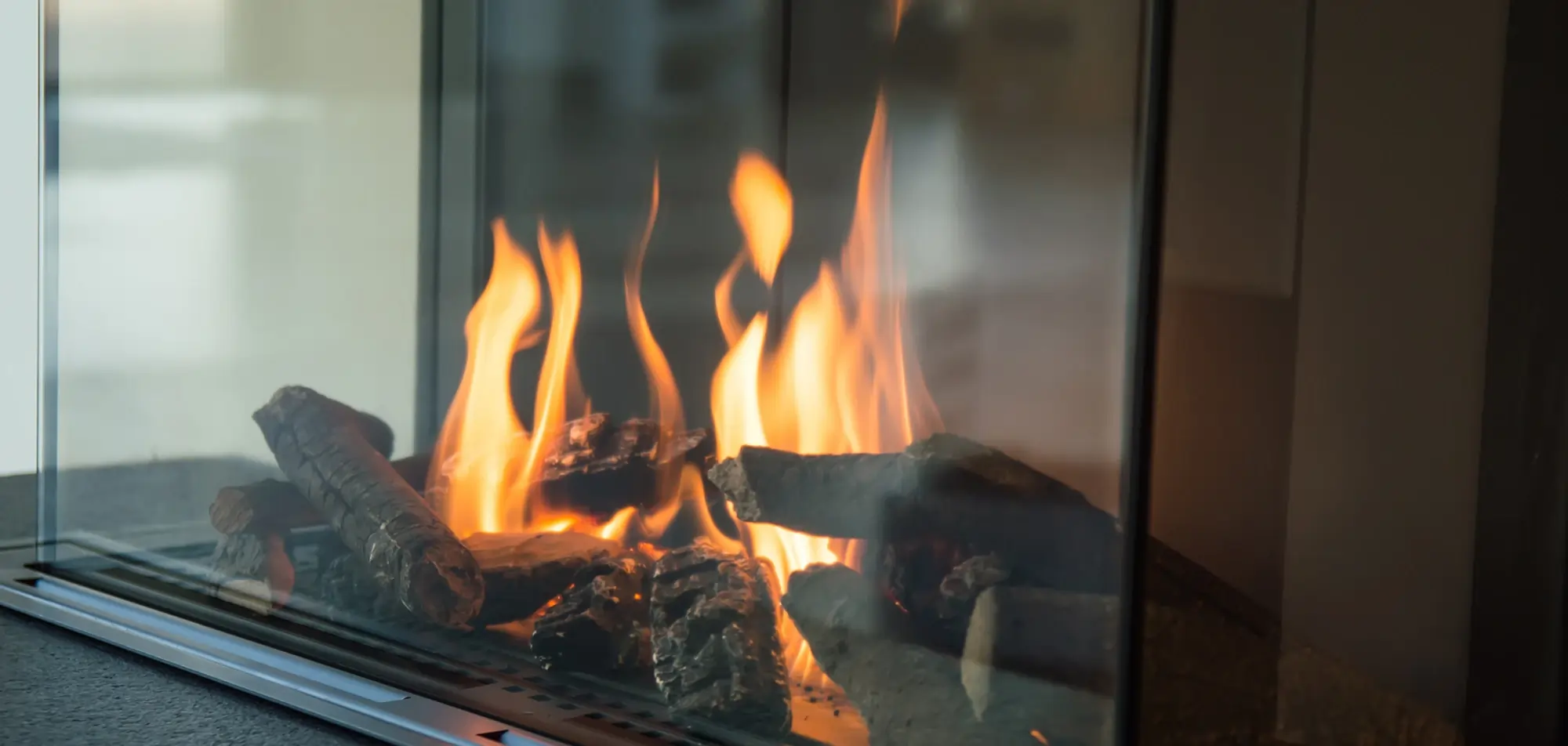
A great many Flower Mound homes have a sealed direct-vent gas unit that vents through an exterior wall and has no chimney at all. Homeowners often assume that means nothing to service. It does not.
The glass front on a direct-vent unit is part of the seal rather than a screen over the fire. Its gasket hardens and loses compression on a schedule regardless of how often the unit is lit, and the exterior termination sits low enough to attract birds and wasps. Both are quick checks that almost never get done.
Most gas fireplaces in homes of this era are direct-vent: they draw combustion air from outside and send exhaust back outside through a coaxial pipe in the wall. Nothing is taken from the room and nothing is meant to enter it.
The glass front is part of that seal rather than a screen in front of a fire. It is held against a gasket, and the gasket is what keeps the sealed side sealed.
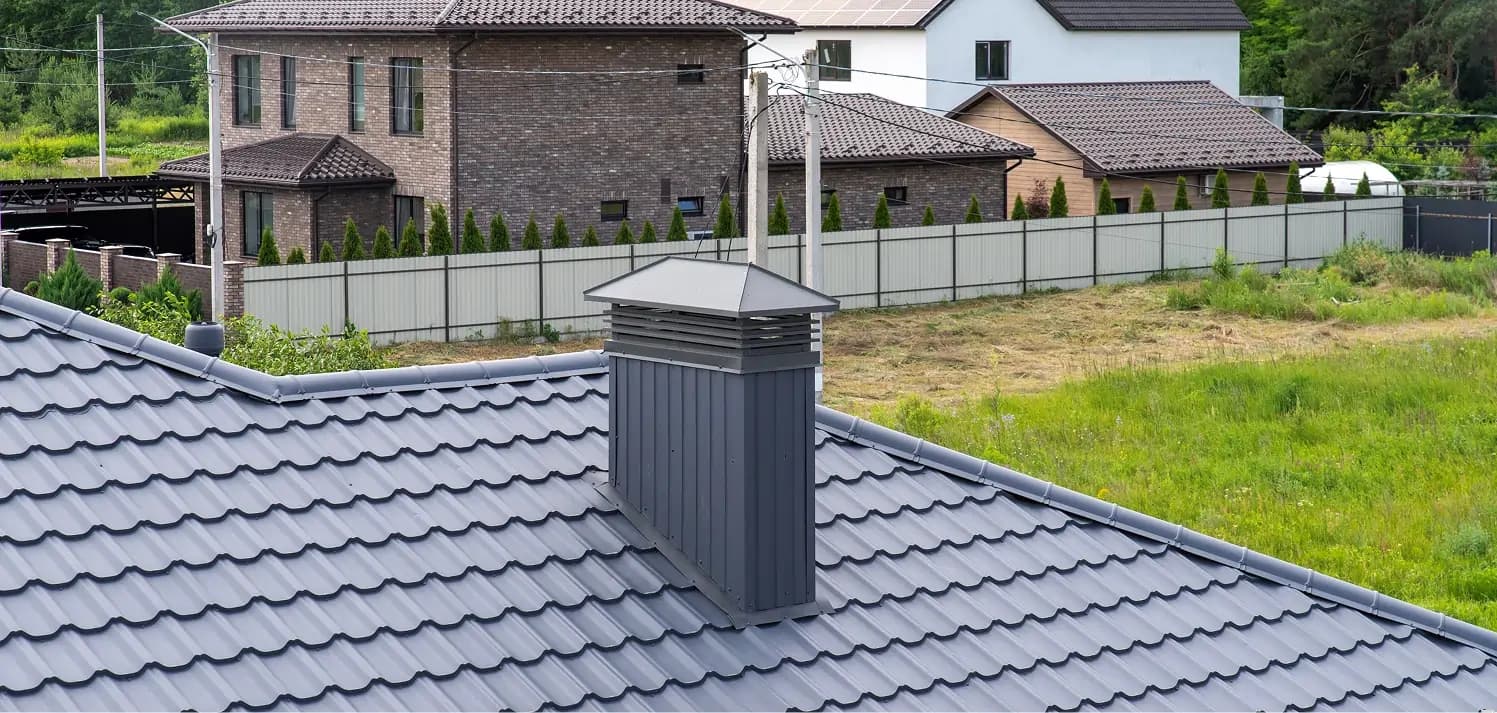
The seal at the glass and the termination outside are the two safety-critical points on a direct-vent unit, and both are routinely overlooked. A cracked pane, a hardened gasket or glass reseated incorrectly after a cleaning all break the separation the appliance depends on.
The termination is the other end of the same system. It sits on an exterior wall, often within reach, and it is engineered around unobstructed flow. A nest or debris in a coaxial termination restricts exhaust on an appliance that has no margin for it.
Commonly the thermocouple or thermopile, sometimes the pilot assembly itself. Both are serviceable parts.
A delay before ignition is worth attention rather than repetition.
The flame pattern is the clearest read on how the unit is burning. A change in it is a change in combustion.
Beyond the normal seasonal haze, this can indicate the unit is not burning as cleanly as it should.
The seal is doing less than it should, and on a sealed unit that is a safety item.
Nests and debris in the coaxial vent. Quick to check and almost never checked.
Pilots that will not hold, weak thermopiles and dirty pilot assemblies diagnosed and repaired.
Failed valves, control modules and electronic ignition faults traced and replaced.
Gasket compression checked and replaced, which on a sealed unit is a safety item rather than a cosmetic one.
Exterior terminations checked for obstruction, corrosion and nesting.
Burners cleaned and adjusted for even flame, log sets repositioned or replaced.
Glass, gasket and seating, because that is the item with the smallest margin for error.
Pilot, thermocouple or thermopile, orifices and the burner itself cleaned and tested.
Ignition, modulation where fitted, and the safety shut-off operating as intended.
Outside, for obstruction, clearance and condition, then clear it if it needs clearing.
A gas unit is judged running. The flame pattern after service is the test that matters.
Most gas work is completed in a single visit. Common parts such as thermocouples are carried; anything model-specific is ordered against the data plate.
If we find something that makes the unit unsafe to run, we will tell you and we will not leave it in service. That is rare, and it is the reason the annual check exists.
Have it serviced annually whatever its age. Gas appliances need it because of use, not because of years, and a five-year-old unit is not exempt.
Keep the exterior termination clear, and look at it in spring when nesting starts.
Leave the glass to a technician. Removing and refitting it disturbs the gasket, and the gasket is the seal.
Straight answers from the work we do here, not general advice copied from a manual.
Yes. That is a direct-vent sealed system and it needs annual service. We check the burner, valve, pilot and thermocouple, the glass and gasket seal, and the exterior termination.
It is usually a weak thermocouple or thermopile, which is a straightforward repair. It is worth doing properly rather than relighting it all season.
Yes, and arguably more. A sealed direct-vent unit depends on its glass seal and an unobstructed exterior termination, and both are safety items that nothing else checks.
Age is not what determines it. Gaskets compress, burners collect debris and terminations get blocked through use, so a newer unit needs the same annual attention as an older one.
Do not try to diagnose it. Turn off the gas supply if you can do so safely, leave the property, and call your gas utility or the emergency number on your meter. Ring us afterwards, once it is safe.
Both are safety devices that sense whether the pilot is lit, and both are common causes of a pilot that will not stay on. A thermocouple is the simpler of the two; a thermopile generates enough current to run the valve and controls. Which one you have depends on the unit.
Yes. That is a different system from a sealed direct-vent unit, and it is inspected differently, with the chimney and damper as part of the assessment rather than a glass seal.
Full flue, smoke chamber and firebox swept with HEPA containment throughout.
Read moreChase covers, crowns, flashing and masonry, fabricated to fit your chimney.
Read moreA written condition report on the firebox, venting and clearances.
Read moreRefractory panels, gaskets and firebox components replaced to spec.
Read moreFirebox, grate, damper and glass brought back and checked.
Read moreThe annual visit that keeps repairs small and the season trouble-free.
Read moreOur contact information, hours, and location.
Our dispatch team will reach out shortly.
Fill out our quick form to schedule a service call with our team today!
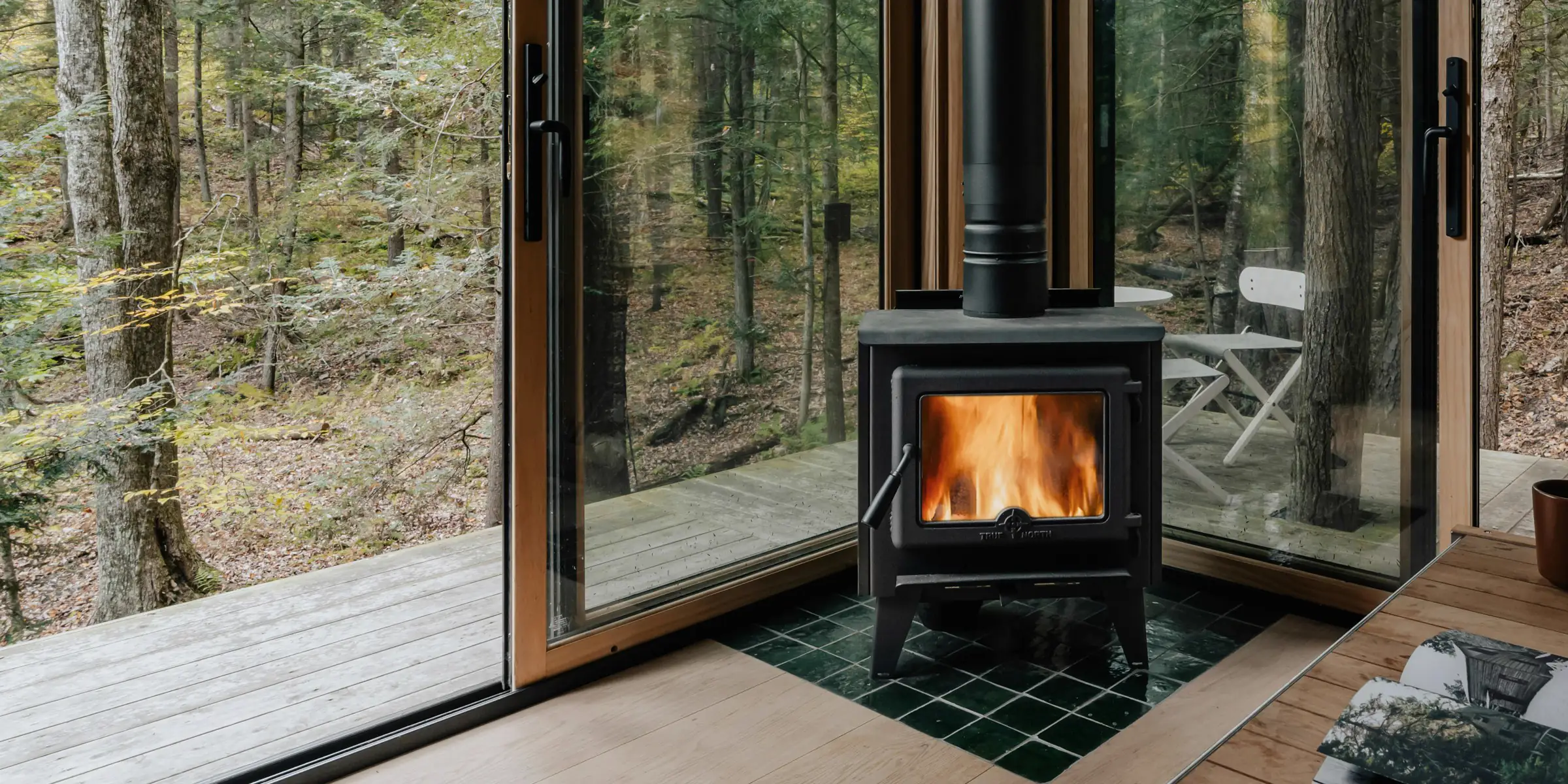
Whether it’s time for a chimney cleaning or there’s something you’d like us to take a look at, we’re here to help.
Serving homeowners across Dallas–Fort Worth.