
Black, flaky deposits at the damper
The easiest place to see build-up without equipment. If you can scrape flakes off with a fingertip, the flue above it is worse.
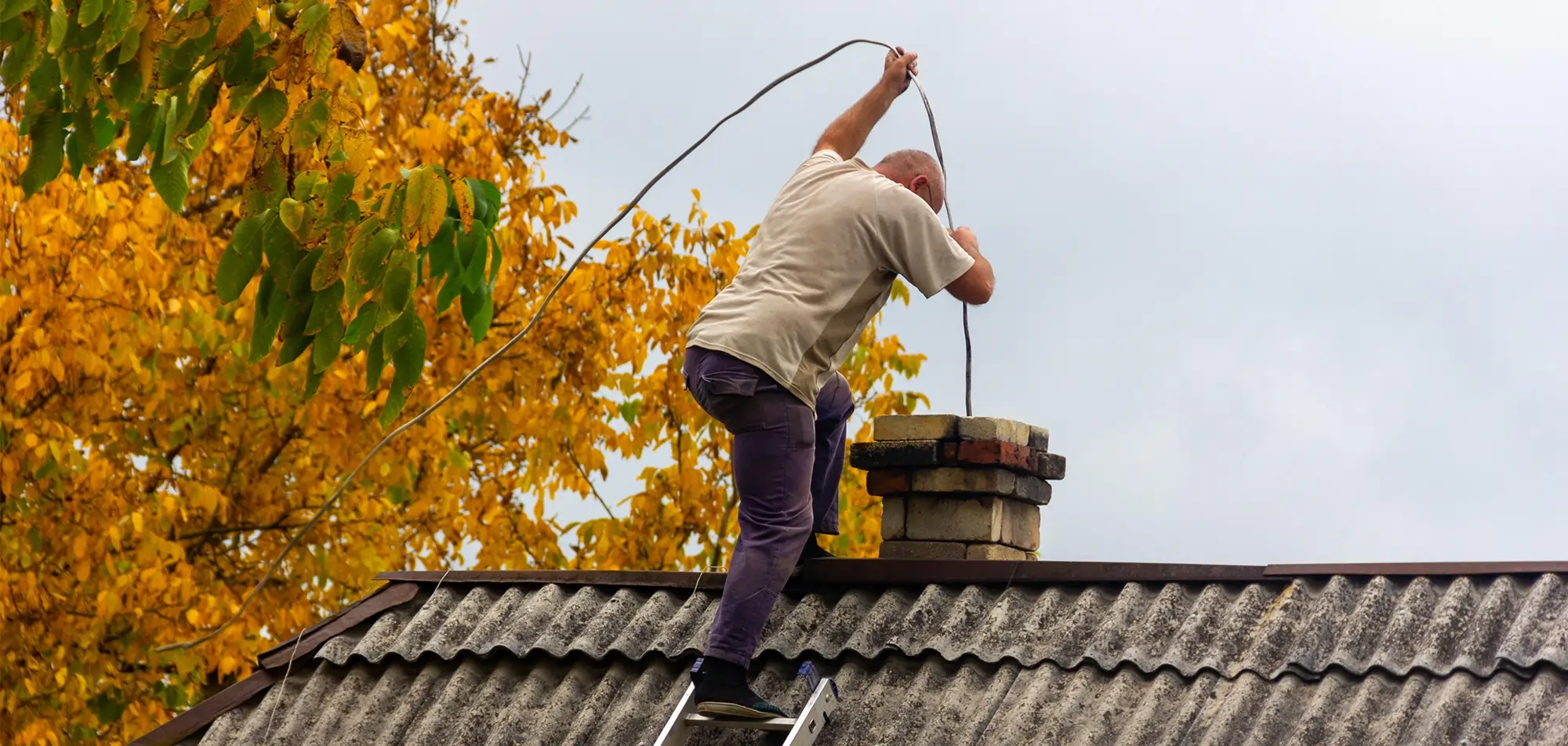
Creosote builds up every season you burn, and in a flue that has been in service since the late nineties there is usually more of it than the homeowner expects. We sweep the flue, smoke chamber, smoke shelf, damper and firebox, and we show you what came out.
A good many Flower Mound homes have changed hands two or three times since they were built, and service records rarely survive a sale. If nobody can tell you when the chimney was last swept, that on its own is reason enough to book one.
Every fire leaves residue. Wood smoke cools as it rises and condenses on the flue wall as creosote, which starts as a light soot and hardens into a glazed layer the longer it is left. Alongside it sits ordinary soot, ash, and whatever has fallen in from above.
A sweep removes that build-up along the full length of the liner, plus the smoke chamber and smoke shelf above the damper, where the heaviest deposits collect and where a quick service most often stops short.
Creosote is fuel. A thick enough layer in a hot enough flue is what a chimney fire is, and those fires are frequently missed at the time and only found later as cracked tile or scorched framing.
Build-up also narrows the flue. A restricted flue drafts poorly, which pushes smoke back into the room and, on an appliance that depends on unobstructed flow, changes how completely the fuel burns.
The easiest place to see build-up without equipment. If you can scrape flakes off with a fingertip, the flue above it is worse.
Often a draft problem, and a narrowed or partly blocked flue is one of the common causes.
Creosote smells strongest when the house is humid and the chimney is warm. It usually means there is enough of it to notice.
Twigs, leaves or shell fragments falling in are a sign something is nesting above, and usually that the cap has failed.
If the home changed hands and nobody can say when it was last done, that is reason enough on its own.
Rotary brushes sized to your flue clear creosote and soot along the whole length of the liner.
The area above the damper collects the heaviest deposits and is the spot most often skipped.
Ash and debris cleared, damper tested through its full range of movement.
Bird nests, leaf packs and animal debris pulled out, with the cause noted, usually a failed cap.
Drop cloths, sealed access and vacuum containment in place from start to finish.
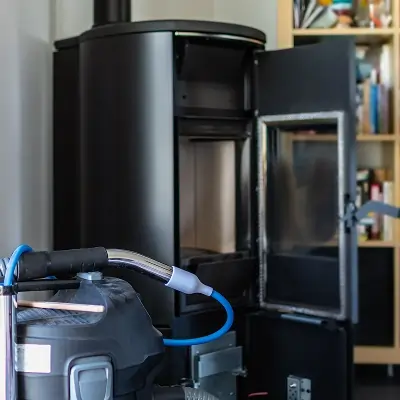
Drop cloths go down, the opening is sealed, and a HEPA vacuum runs for the whole visit so the dust stays in the equipment rather than the house.
Rotary brushes sized to your flue work the length of the liner rather than just the reachable section.
The area above the damper is done by hand. It holds the heaviest deposits and it is the step most often skipped.
A clean flue is the only condition in which the liner, the damper and the crown can actually be assessed.
You get photographs of the before and after and a plain description of anything we found.
A straightforward sweep on a single fireplace takes a couple of hours. Most of that is setup and containment rather than brushing.
You do not need to empty the room. We work around furniture, and the containment stays in place from the moment we open the firebox until the equipment is packed away.
Burn seasoned wood rather than green or damp wood. Wet fuel burns cooler, and cooler smoke deposits far more creosote on the way up.
Give the fire enough air. A fire damped down to smoulder overnight produces the heaviest deposits of anything you can do in a fireplace.
Keep the cap intact. Most of the debris we pull out of Flower Mound chimneys got in because the cap was missing or damaged.
Straight answers from the work we do here, not general advice copied from a manual.
Once a year before the season for most homes, twice for heavy wood users. If you bought the home and have no records, start with one now.
No. Drop cloths, a sealed opening and HEPA containment stay in place the whole time.
Usually a couple of hours for a single fireplace, and most of that is setting up containment rather than brushing. You do not need to clear the room first.
Partly. Flaky black deposits you can scrape off at the damper mean the flue above is worse. But the smoke chamber, which holds the heaviest build-up, is not visible from the room.
Soot is the fine black powder that settles on everything. Creosote is condensed wood smoke, and it hardens the longer it is left, from a flaky deposit into a glazed layer. Soot is dirty; creosote is fuel, which is why it is the one that matters.
Probably, though perhaps not every year. Light use builds creosote slowly, but a cap can still fail and a flue can still collect nests and debris regardless of how often you light it. An inspection will tell you which applies.
It can. A restricted flue drafts poorly, and a fireplace that will not draw properly pushes smoke and odour back into the room. That is usually the first thing people notice, before anything visible in the chimney itself.
Chase covers, crowns, flashing and masonry, fabricated to fit your chimney.
Read moreA written condition report on the firebox, venting and clearances.
Read moreRefractory panels, gaskets and firebox components replaced to spec.
Read moreFirebox, grate, damper and glass brought back and checked.
Read moreThe annual visit that keeps repairs small and the season trouble-free.
Read morePilot, valve, burner, glass seal and exterior termination serviced.
Read moreOur contact information, hours, and location.
Our dispatch team will reach out shortly.
Fill out our quick form to schedule a service call with our team today!
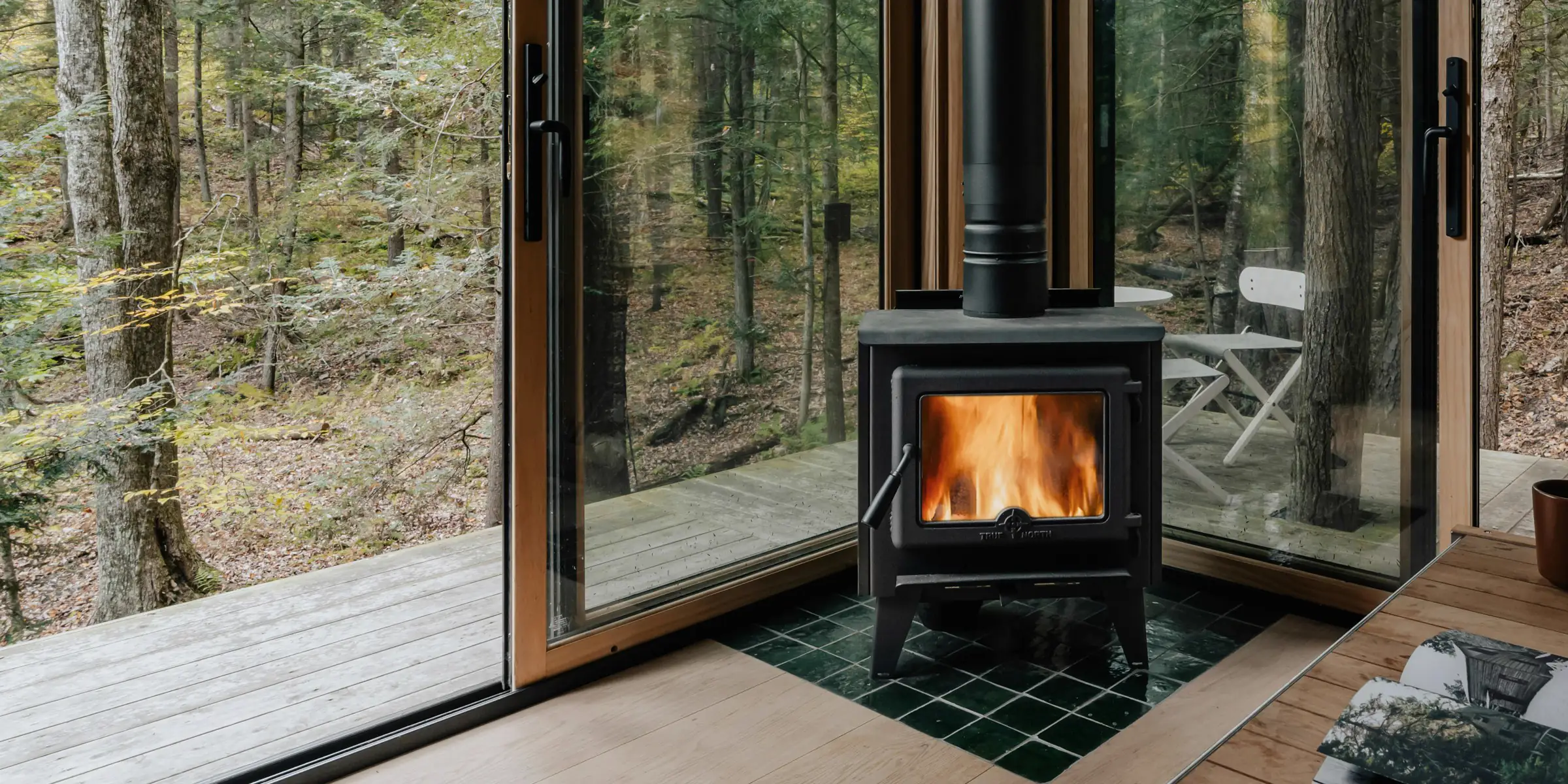
Whether it’s time for a chimney cleaning or there’s something you’d like us to take a look at, we’re here to help.
Serving homeowners across Dallas–Fort Worth.