
You have just bought the house
The single most common reason, and the best one. It establishes what you own before the first cold evening.
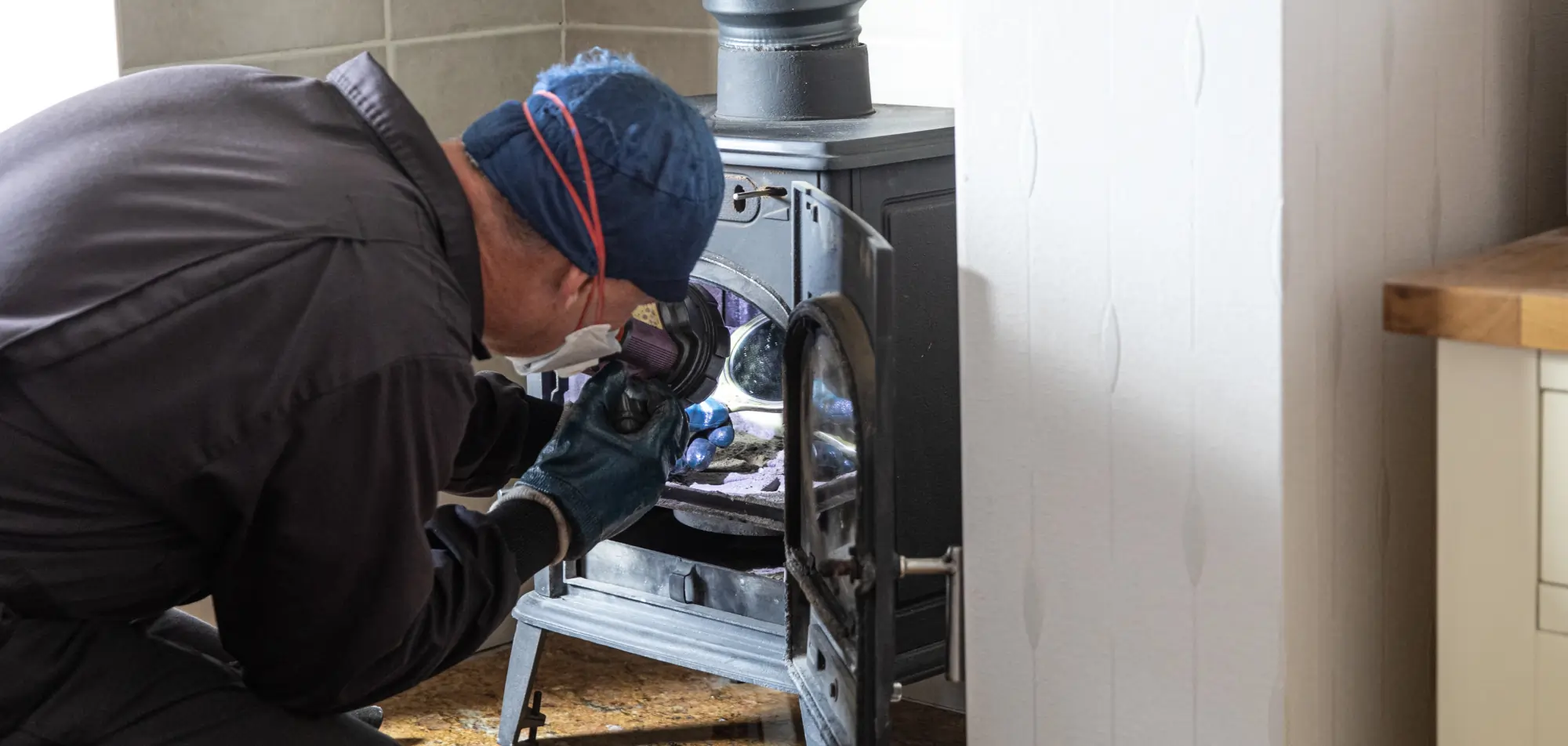
An inspection is more useful than a sweep on its own in this town. A sweep tells you the flue is clean. An inspection tells you what condition the system is actually in, and whether the original installation was done correctly in the first place.
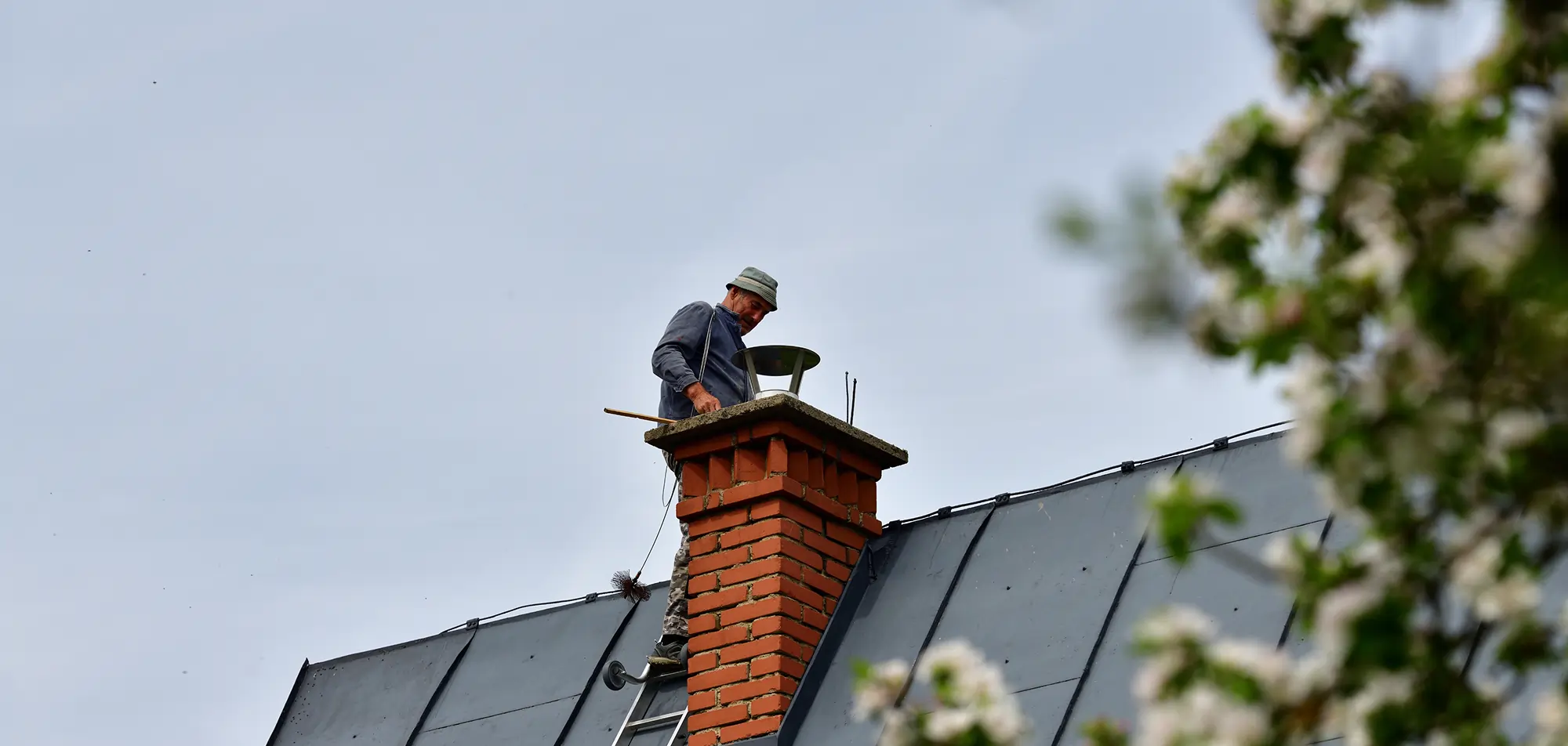
That matters here because the housing stock has turned over two or three times and because the components reach the end of their design life together. We check the chase cover on every visit, since it is the most common failure in Flower Mound and the hardest one to see from the ground.
An inspection is an assessment of the whole appliance rather than a look up the chimney. It takes in the firebox and its refractory surfaces, the damper, the smoke chamber, the liner, the clearances around the unit, and the termination outside.
On a factory-built unit it also means identifying what you actually have. The model determines which parts exist, which are still supplied and what the manufacturer permits, and none of that can be judged by looking at the opening.
It is the only service that produces information rather than an outcome. Everything else, from a sweep to a panel replacement, is a decision that should follow from knowing the condition of the system.
It matters most where there are no records. A home that has changed hands two or three times since it was built rarely comes with a service history, and the fireplace is the part of the house nobody thinks to ask about.
The single most common reason, and the best one. It establishes what you own before the first cold evening.
Time off does not keep a flue clear or a damper free. Unused chimneys are where we most often find nests and seized parts.
A new smell, a draft that reversed, a sound, or smoke where there was none before. Any change is worth reading rather than ignoring.
A written assessment ahead of listing removes an item that otherwise gets negotiated blind.
Hail and high wind reach the top of the chimney first and are rarely inspected there.
Checked from the roof for corrosion, standing water and failed seams.
Panels examined for cracking and displacement, joints and floor checked.
Liner integrity, connection and clearance inspected along its length.
Operation tested, deposits and deterioration noted above the damper.
Findings and recommendations the same day, with images of anything we flagged.
Manufacturer and model where a data plate exists, because that governs what can and cannot be done to it.
Panels, joints and the condition of the surfaces that stand between the fire and the shell of the unit.
The liner or flue along its length, the damper through its full range, and the termination outside for obstruction and clearance.
What surrounds the unit and how it was installed, which is where builder-era shortcuts show up.
A report with photographs, in plain language, separating what needs attention now from what is worth watching.
A written assessment with photographs of anything we raise. You should be able to read it without a technician beside you explaining it.
Where something needs work, you get the reason it needs work and what happens if it waits. Where nothing does, we say that plainly rather than finding something.
Once a year for any fireplace in regular use, wood or gas. The annual visit is what turns a repair into maintenance.
Again after any event that reached the roof, and again if the house changes hands. Both are moments where the history resets.
Straight answers from the work we do here, not general advice copied from a manual.
An inspection. It establishes what system you have, what condition it is in, and whether the original install was done correctly. Everything after that is a decision made with information.
Yes. A sweep removes deposits. An inspection evaluates condition. We look briefly before every sweep, but a full inspection is a separate and more thorough service.
A written report with photographs of anything raised, in plain language, separating what needs doing now from what is worth watching. It should make sense without a technician stood next to you.
That is the most common situation in Flower Mound and the reason the inspection is useful. Nothing seeming wrong is not the same as nothing being wrong, particularly where there are no records.
Usually around an hour for a single fireplace, longer if the unit is hard to access or if we find something that needs looking at properly. We would rather take the extra time than write a report we are not confident in.
Let the fireplace go cold, ideally overnight, and clear enough space in front of it to work. If you have any paperwork on the unit, having it to hand helps us identify the model faster.
We tell you on the day rather than leaving it to the report, explain what it means in plain terms, and set out the options. If something makes the appliance unsafe to use, we will say so clearly.
Full flue, smoke chamber and firebox swept with HEPA containment throughout.
Read moreChase covers, crowns, flashing and masonry, fabricated to fit your chimney.
Read moreRefractory panels, gaskets and firebox components replaced to spec.
Read moreFirebox, grate, damper and glass brought back and checked.
Read moreThe annual visit that keeps repairs small and the season trouble-free.
Read morePilot, valve, burner, glass seal and exterior termination serviced.
Read moreOur contact information, hours, and location.
Our dispatch team will reach out shortly.
Fill out our quick form to schedule a service call with our team today!
Whether it’s time for a chimney cleaning or there’s something you’d like us to take a look at, we’re here to help.
Serving homeowners across Dallas–Fort Worth.