.svg)
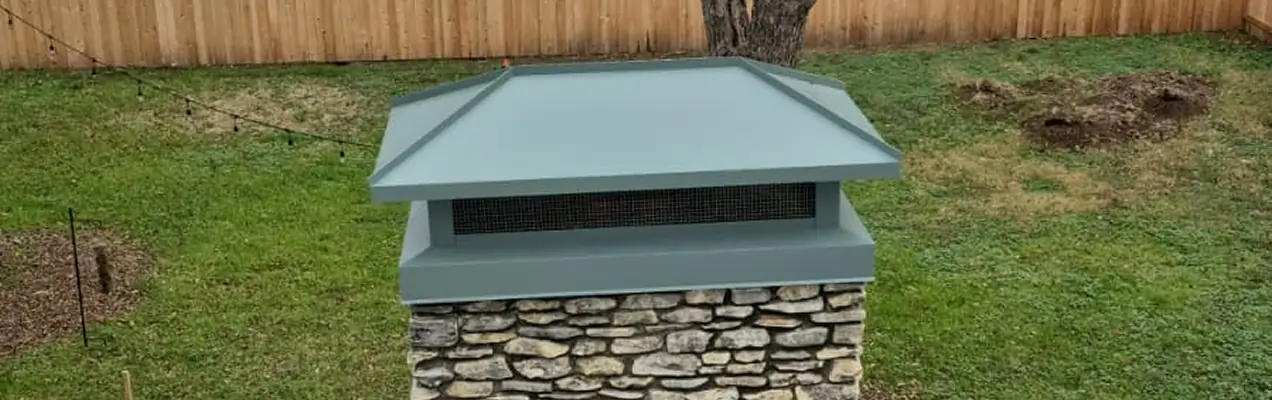
Many homeowners don’t think about chimney caps until a problem occurs. However, chimney caps play a critical role in protecting the chimney system and preventing a wide range of common and costly issues. Understanding why chimney caps matter can help homeowners avoid unnecessary damage and extend the life of their fireplace and chimney. A chimney cap sits at the top of the flue and serves as the first line of defense against weather, animals, and debris. While small in size, its impact on chimney safety and performance is significant.
What is a chimney cap and what does it do?
A chimney cap is a protective covering installed at the top of the chimney. Its primary function is to prevent rain, animals, leaves, and debris from entering the flue while still allowing smoke and gases to vent properly. Without a chimney cap, the flue is exposed directly to the elements. Over time, this exposure can lead to moisture damage, blockages, and accelerated deterioration of internal chimney components.
Preventing moisture damage and chimney deterioration
One of the most important reasons chimney caps matter is moisture protection. Rainwater entering an uncapped chimney mixes with soot and creosote, creating acidic residue that damages flue liners, masonry, and metal components. During chimney inspections, technicians frequently find moisture-related damage caused by missing or improperly installed chimney caps. Installing a proper cap helps prevent water intrusion, reduces freeze-thaw damage, and supports long-term chimney health.
Keeping animals and debris out of the flue
Uncapped chimneys are a common entry point for birds, squirrels, raccoons, and nesting animals. Once inside, animals can block airflow, damage liners, and create serious fire hazards. Chimney caps act as a barrier that prevents animals and debris from entering the flue while maintaining proper ventilation. This protection reduces the risk of dangerous blockages that may otherwise require emergency chimney sweep services.
How chimney caps support safer chimney sweeping
A capped chimney stays cleaner between services. By preventing debris and nesting materials from entering the flue, chimney caps reduce buildup that can complicate future chimney sweeping and increase maintenance costs.
Improving airflow and fireplace performance
Chimney caps also help regulate airflow by reducing downdrafts caused by wind. Downdrafts can force smoke back into the home, leading to poor fireplace performance and indoor air quality issues. With a properly installed chimney cap, fireplaces draft more consistently, burn more efficiently, and produce less smoke inside the home. This pairs well with routine fireplace cleaning to maintain optimal performance.
Reducing the need for costly chimney repairs
Many chimney repairs stem from preventable issues such as water damage, corrosion, and internal blockages. Chimney caps help mitigate these risks by protecting the most vulnerable entry point of the chimney system. When combined with regular chimney inspections and sweeping, chimney caps significantly reduce the likelihood of unexpected repairs and extend the overall lifespan of the chimney.
How do you know if your chimney needs a cap?
Some chimneys were built without caps, while others may have caps that are damaged, rusted, or improperly sized. Signs that your chimney may need a cap include moisture stains, animal noises, debris falling into the fireplace, or persistent draft issues. A professional inspection can confirm whether a chimney cap is present and functioning properly. If you’re unsure, you can reach out through our contact page to have a professional evaluate your chimney system and recommend the right solution. Chimney caps may be small, but their role in protecting your home is substantial. From preventing moisture damage and animal intrusion to improving performance and reducing maintenance needs, chimney caps are an essential component of a safe and efficient chimney system.