.svg)
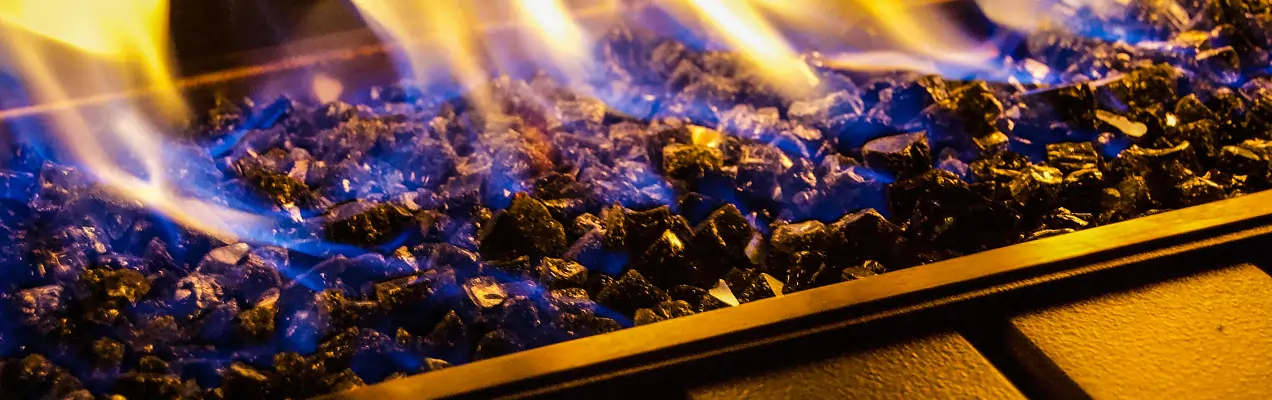
Upgrading to a fireplace insert can significantly improve heating efficiency and comfort in your home. One of the most common questions homeowners face during this process is whether to choose a gas fireplace insert or a wood-burning fireplace insert. Both options offer advantages, but the right choice depends on your heating goals, maintenance preferences, and the structure of your existing fireplace. Understanding the key differences helps homeowners make a confident and informed decision before installation.
What is a fireplace insert?
A fireplace insert is a sealed heating appliance designed to fit inside an existing masonry fireplace. Unlike traditional open fireplaces, inserts capture and circulate heat more efficiently, reducing heat loss and improving overall performance. Most modern inserts require proper venting through the chimney system, which is why a chimney inspection is typically recommended before installation to ensure the flue structure can support the new appliance.
Gas fireplace inserts
Gas fireplace inserts are designed for convenience and consistent heating performance. These units run on natural gas or propane and can often be controlled with a remote or wall switch.
Benefits of gas fireplace inserts
Gas inserts provide instant heat without the need to build or manage a fire. Because combustion is controlled, they produce fewer emissions and require less ongoing maintenance compared to wood-burning systems. Gas inserts also eliminate the need to store firewood or clean large amounts of ash, making them attractive for homeowners seeking simplicity and convenience.
Maintenance considerations
While gas inserts require less cleaning than wood fireplaces, they still benefit from periodic fireplace cleaning and system inspections to ensure safe operation and proper venting.
Wood-burning fireplace inserts
Wood-burning fireplace inserts appeal to homeowners who enjoy the traditional experience of a real fire. These units burn seasoned firewood and create the natural crackling sound and aroma associated with classic fireplaces.
Benefits of wood-burning inserts
Wood inserts produce strong radiant heat and can be a reliable heating source during power outages. Many homeowners appreciate the authentic ambiance and independence from gas or electric utilities. However, wood-burning inserts require more maintenance than gas systems.
Maintenance considerations
Burning wood produces creosote, which accumulates inside the flue over time. This buildup must be removed through routine chimney sweep services to reduce fire risk and maintain proper airflow.
Venting and chimney considerations
Both gas and wood fireplace inserts rely on proper venting through the chimney. Most installations require a stainless steel liner that connects the insert to the top of the chimney. During installation, technicians may also evaluate protective components such as chimney caps to prevent debris, animals, and moisture from entering the venting system. Proper venting ensures safe operation and optimal heating performance.
Heating efficiency comparison
Fireplace inserts are significantly more efficient than traditional open fireplaces. Gas inserts typically offer consistent and controllable heat output, while wood inserts produce stronger radiant heat when actively burning. The right choice depends on how you plan to use your fireplace. Homeowners seeking convenience often prefer gas inserts, while those who enjoy the traditional fire experience may prefer wood-burning systems.
Which fireplace insert is right for your home?
Choosing between gas and wood fireplace inserts ultimately depends on lifestyle preferences and heating goals. Gas inserts are ideal for homeowners who want low maintenance, instant heat, and simple operation. Wood-burning inserts are better suited for those who enjoy traditional fires and don’t mind routine chimney maintenance. Before making a final decision, a professional evaluation of your existing fireplace and chimney system is recommended. If you’re considering upgrading your fireplace, you can reach out through our contact page to discuss installation options and determine which insert type is best for your home. Both gas and wood fireplace inserts offer substantial improvements over traditional fireplaces. With proper installation and maintenance, either option can provide reliable heat, improved efficiency, and a more enjoyable fireplace experience.