.svg)
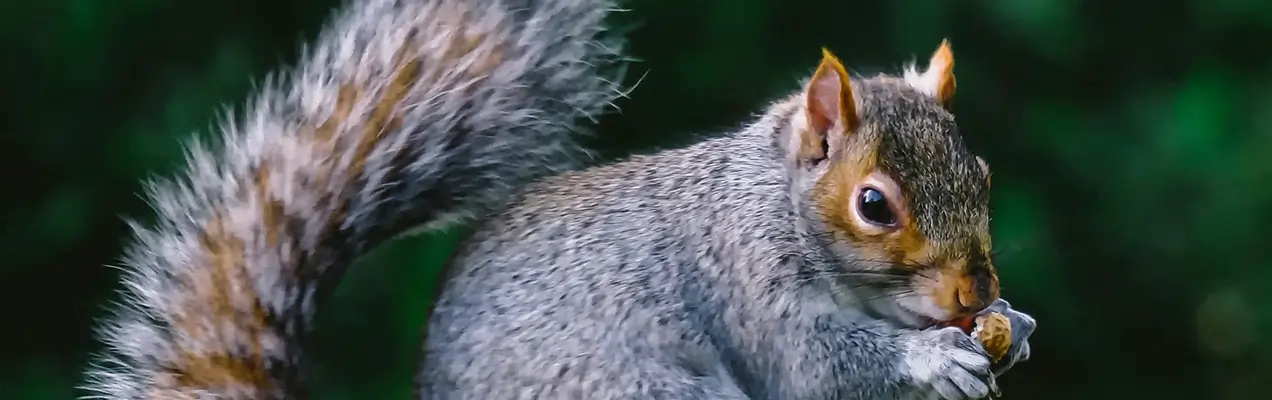
Chimneys provide warmth and shelter, which unfortunately makes them attractive entry points for wildlife. Birds, squirrels, raccoons, and other animals often find their way into chimneys while searching for nesting locations or protection from the weather. Animal intrusion inside a chimney can create serious problems, including blockages, unpleasant odors, and potential fire hazards. Understanding the warning signs helps homeowners address the issue quickly and prevent further damage.
Why animals enter chimneys
Chimneys resemble hollow tree cavities, which many animals naturally seek for nesting. When a chimney does not have proper protection at the top, animals can easily enter the flue. Once inside, animals may build nests, store debris, or become trapped. These materials can block airflow and prevent smoke from venting properly through the chimney system. One of the most effective ways to prevent animal intrusion is installing properly fitted chimney caps that cover the flue opening while still allowing smoke to vent safely.
Common animals found in chimneys
Several types of wildlife commonly enter residential chimneys. Birds, especially chimney swifts, are known to nest inside flues during warmer months. Squirrels often enter chimneys while exploring rooflines, and raccoons may use larger flues as nesting areas for their young. Regardless of the species, animals inside a chimney should always be handled carefully and professionally to avoid injury to both the animal and the homeowner.
Signs animals may be inside your chimney
Animal intrusion often becomes noticeable through a few common warning signs.
Unusual sounds inside the chimney
Scratching, chirping, or movement coming from the chimney is often the first sign that animals are present. These noises may occur during early morning or evening hours when animals are most active.
Strong odors or debris
If animals build nests or become trapped inside the flue, strong odors may develop over time. Twigs, leaves, or nesting materials may also appear inside the fireplace opening.
Smoke backing into the home
Animal nests can partially or completely block the flue, preventing smoke from venting properly. This can lead to smoke entering the living space when the fireplace is used. In many cases, a chimney sweep is required to remove nesting materials after the animals have been safely removed.
Why animal intrusion can be dangerous
Animals inside the chimney create several safety risks. Nesting materials are highly flammable and can increase the risk of chimney fires when the fireplace is used. Blockages can also prevent proper venting of smoke and gases, increasing the risk of carbon monoxide entering the home. Additionally, trapped animals may damage chimney liners or other internal components while attempting to escape. Because of these risks, animal intrusion should always be addressed before using the fireplace again.
How professionals remove animals safely
Professional chimney technicians use specialized methods to remove animals without harming them or damaging the chimney system. Once the animals are removed, the chimney is inspected for blockages, nesting materials, or structural damage. In many cases, a chimney inspection is recommended to confirm that the flue is clear and safe for normal fireplace operation.
Preventing animals from entering your chimney
Prevention is the most effective solution for chimney animal intrusion. Installing a properly fitted chimney cap creates a barrier that prevents animals, debris, and rainwater from entering the flue. Routine chimney inspections and maintenance also help identify early signs of intrusion before larger problems develop. If you suspect animals may be inside your chimney or want to protect your chimney system from future intrusions, you can reach out through our contact page to speak with a professional and schedule an evaluation. Animal intrusion is a common chimney problem, but it is also highly preventable. With proper protection and routine maintenance, homeowners can keep their chimneys functioning safely while preventing unwanted wildlife from moving in.